
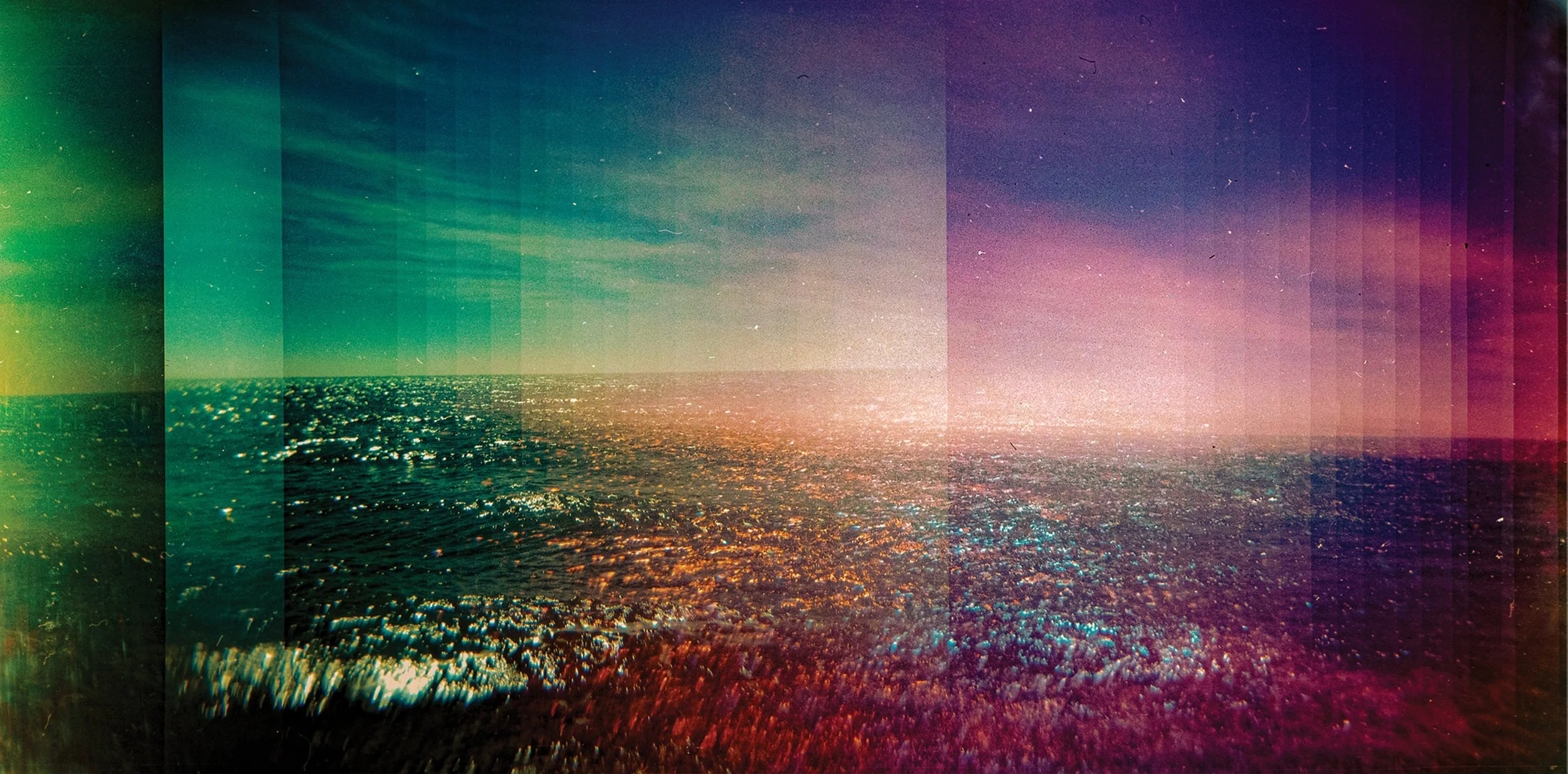
Our featured artist this month is an artist I met in Folkstone several years ago, Sapphire actually took over my studio when I moved away and its been great finding out what she has been up to since then.
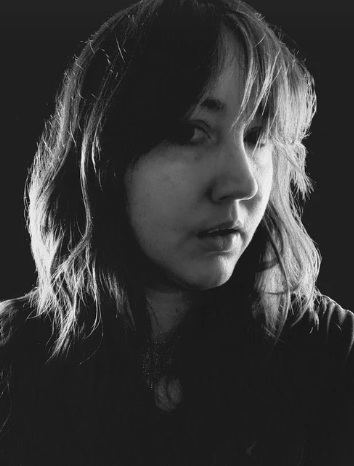
Sapphire Goss is an artist working with photography, moving image and experimental lens-based processes. She makes chimerical, analogue-infused work exploring light, time, material memory and the ‘analogue uncanny,’ using obsolete technologies and unexpected materials to reveal otherworldly worlds within the visible.
Bio
Sapphire Goss is a British artist working with moving image, photography, installation and sound. She uses obsolete film formats, decaying media and experimental darkroom processes: expired celluloid, handmade developers, antique optics and repurposed magnetic tape, to make an ‘analogue uncanny’ where light, time and material collapse into one another. My work has been exhibited widely, including at the ArtScience Museum Singapore (2024-5), the Barbican (2015), Tate Modern, Exchange (2018), Adelaide Festival Centre (2022), and Millennium Film Workshop (2025).
web site url sapphiregoss.com
Instagram links instagram.com/sapphire_goss
1 - Could you explain your practice? And why you choose this path
I am an artist who uses obsolete media and fragile processes of decay and revival to explore time, mortality and memory. I make moving image and sound work using expired film, antique cameras, homemade developers and handmade optics. My sound work uses decaying magnetic tape, nitrate samples, and celluloid sonification. This comes together to create what I call an ‘analogue uncanny’ where light, time and materials combine and merge in unexpected ways. These are unstable media for unstable landscapes and unstable realities. I work in this instability deliberately, this is not nostalgia. It is a way of acknowledging precarity. The world itself, and our experience of reality is flickering, dissolving; the materials I use simply make that visible.
I treat film as both a chemical terrain and a surface between worlds: material and image, memory and ghost, life and its traces. This corporeal nature of film, as a skin between the material world and the ether, is mirrored in my own experience of chronic illness: both flickering, unstable material realities.
I began using expired film simply because it was cheaper. But the unpredictable results such as chemical fogs, grain, colour shifts, even other people’s forgotten photographs surfacing revealed something profound. Exposing light onto materials made decades ago feels like excavating time. I often describe the process as chemical archaeology, unearthing memory from emulsions long thought dead.
I’m drawn to the materiality of analogue processes: the touch of loading film in the dark, the sound of clockwork mechanisms, the smell of musty boxes, even the injuries when a spring snaps. My work tries to make visible the thin places where light meets loss, where the moment dissolves into the spectral. I’m aiming for something that grows from elements and particles – like a plant – scaling from the molecular to the celestial.
2 - Is art relevant today? Give reasons for you answers please.
Perhaps now more than ever. Art has always been a commodity with constructed value, an unreal asset like a currency but that doesn't diminish its fundamental relevance. In a moment where so much culture feels like branded content, optimised for attention, data and clicks, authenticity can feel hard to locate. I’m uneasy about work that bludgeons you with its meaning: the clever surface-level “I see what you did there” moment. I prefer layers that unfold slowly, sensorially.
Every new medium is “a machine for the production of ghosts.” Today the ghosts are extinct species, vanished landscapes, lost data. Art remains relevant because it gives shape to the slippery, intangible things we don’t have words for. As technology becomes increasingly immaterial, we drift further from the tactile world. Yet everything digital relies on material extraction, labour, and energy we pretend not to see. Art can reveal these hidden systems. It can slow time, invite us to feel.
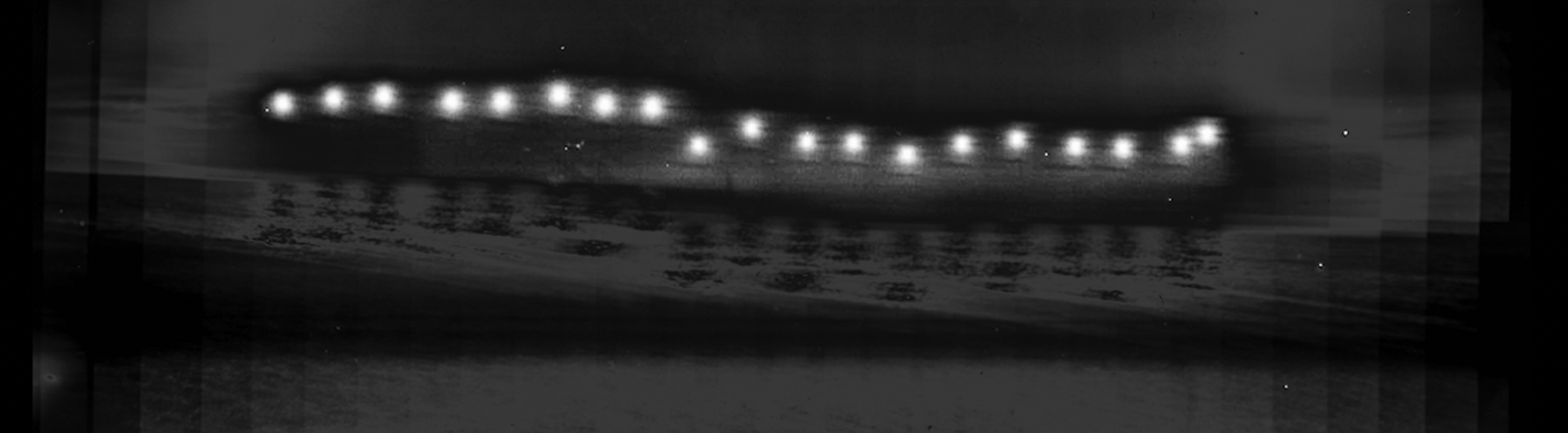
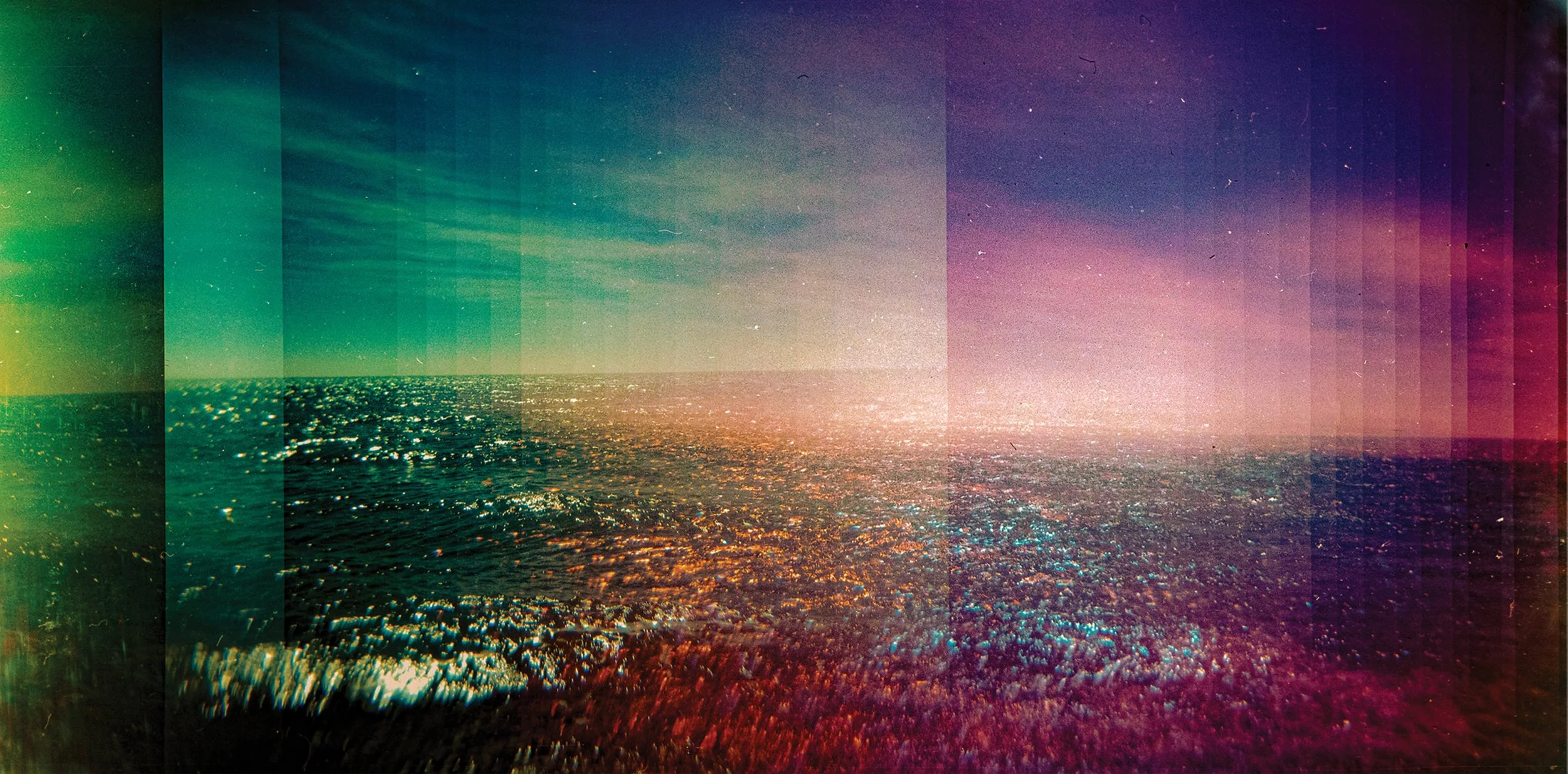
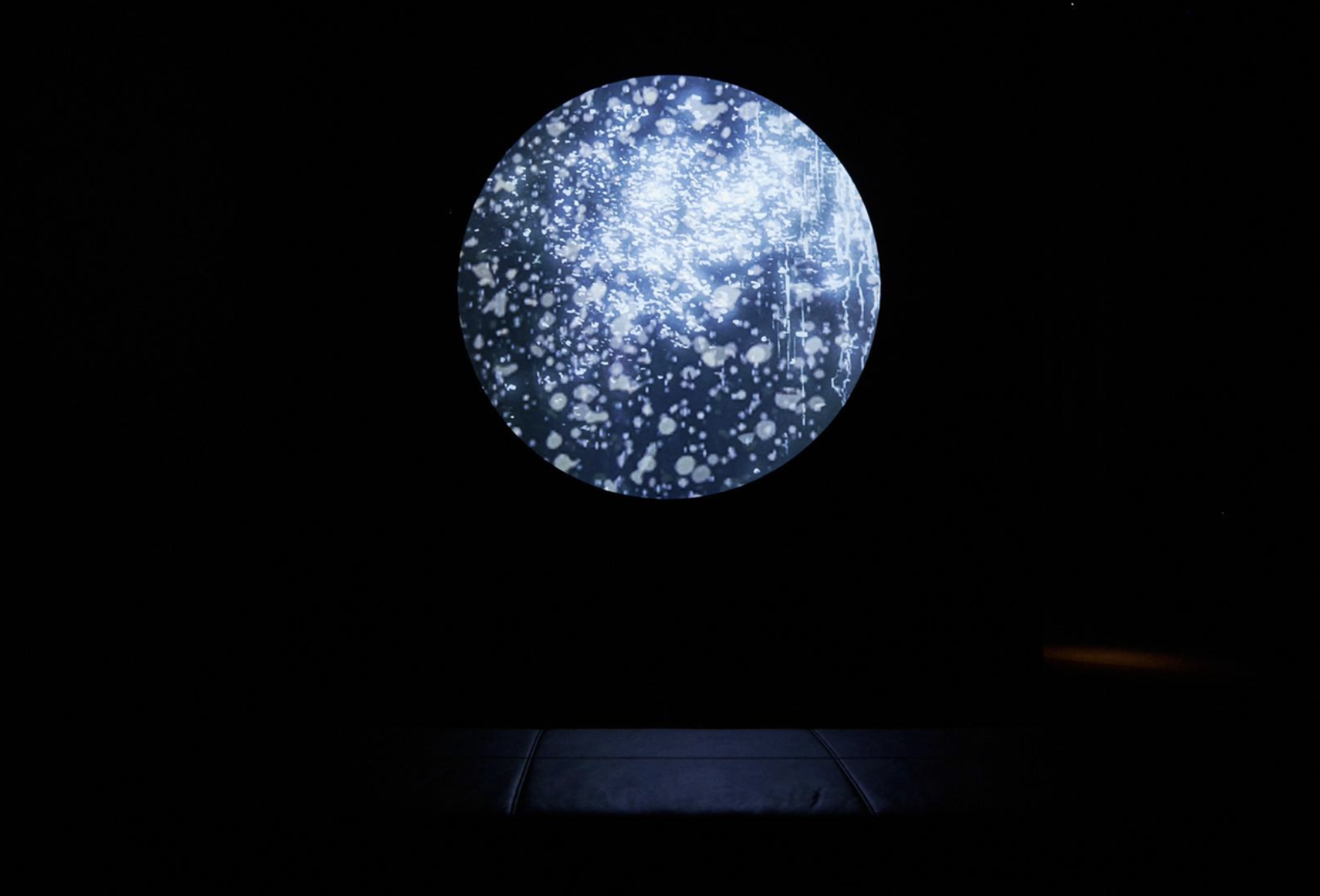
Solar Resonances (2025)
3 – We are always asked what other artists influence us, we want to know what art you don’t like as well as which influences you?
I saw an exhibition recently which was a mix of art alongside branded content and I guess the aim is to elevate the brands to art or see them as patrons but it had the effect of making the whole exhibition feel like an advert. And a lot of things just feel like content at the moment to sell something - attention, data, clicks. So it’s of the moment but kind of disheartening. It’s tricky to navigate a sense of authenticity when you always feel like you are selling something. I can see that kind of work says something about now, even if it doesn’t move me. I think this ties into the relevance of art, obviously it is a commodity with constructed value; an investment and an unreal asset like a currency, but that doesn’t stop it being something fundamental. I’m also wary of work that arrives fully resolved, telling me what to think. I prefer art that acts like a lens opening slowly, something you feel before you understand.
Influences include Pavel Filonov’s concept of ‘universal flowering’ where the artwork grows from the cellular outwards. His paintings felt like breathing organisms. I carry that with me: the idea of building work from the atom to the cosmos. I’m inspired by experimental filmmakers, early photographic science, spirit photography, and even discarded cinematic techniques. I also draw from scientific hoaxes and failed experiments – celestographs, optograms, slow glass. They reflect a desire to exceed perception, to see beyond what’s possible.
4- If you could go back 10-20 years what would you tell your younger self?
I’m not sure I am qualified to give advice. I have always just been fumbling in the dark. And the younger me wouldn’t have listened that well anyway! I tried to ignore the core part of me that wanted to make work for years until the clamour became too loud. Most of my ideas have just come from diving into the deep end and experimenting and failing so I would say carry on with that and embrace the uncertainty.
5 – If you could go forward 10-20 years what do you hope to have done or not done?
I hope I am still working with film and make a feature. In general I hope I’ve made work that continues to ask questions rather than answer them. I hope I haven’t sanitised the messiness of my practice to fit a palatable mould. That I’ve resisted the pressure to be efficient, or consumable. That I haven’t lost sight of the flicker in the dark; the ephemeral sensation that drew me to analogue in the first place.
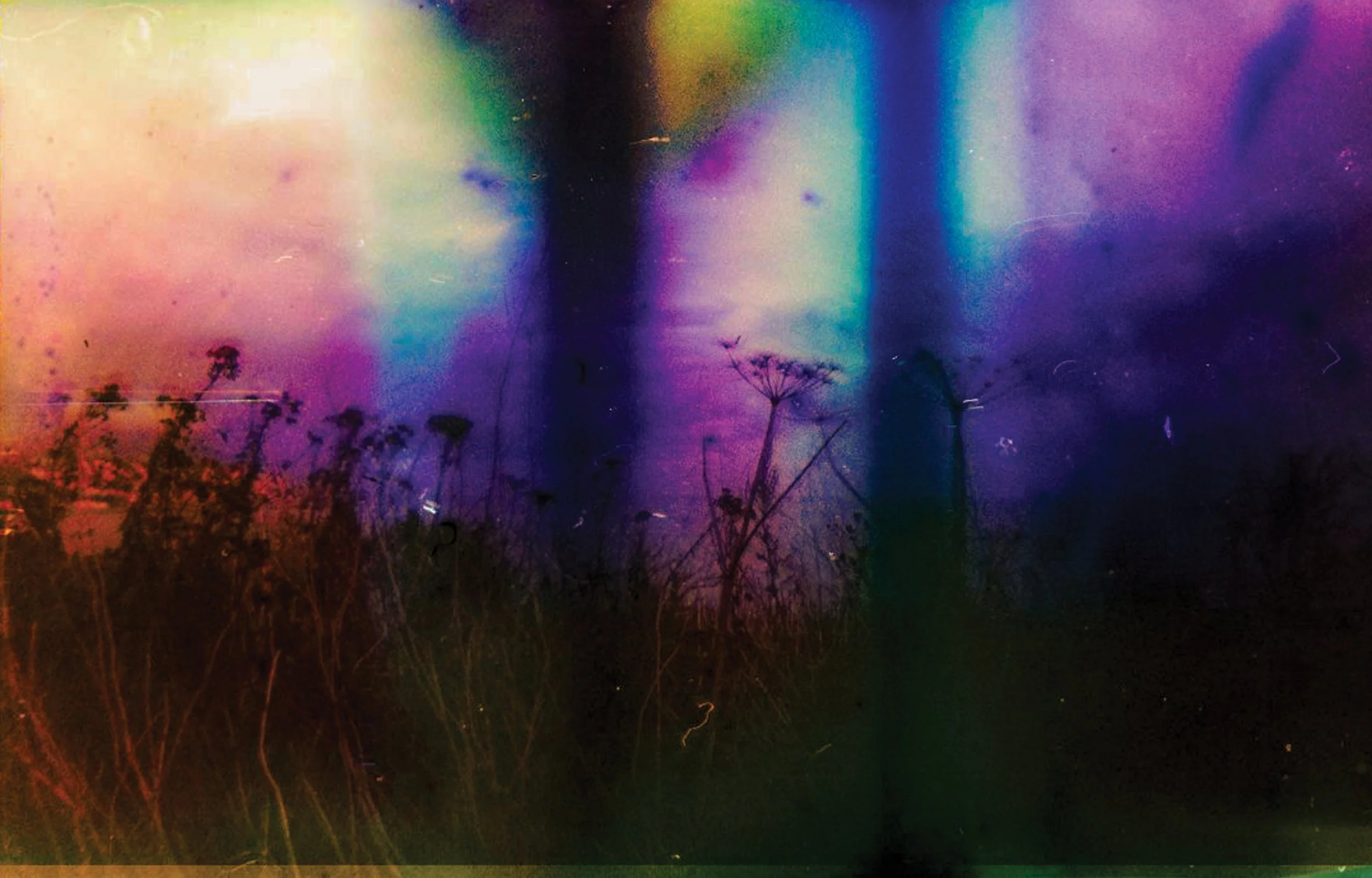
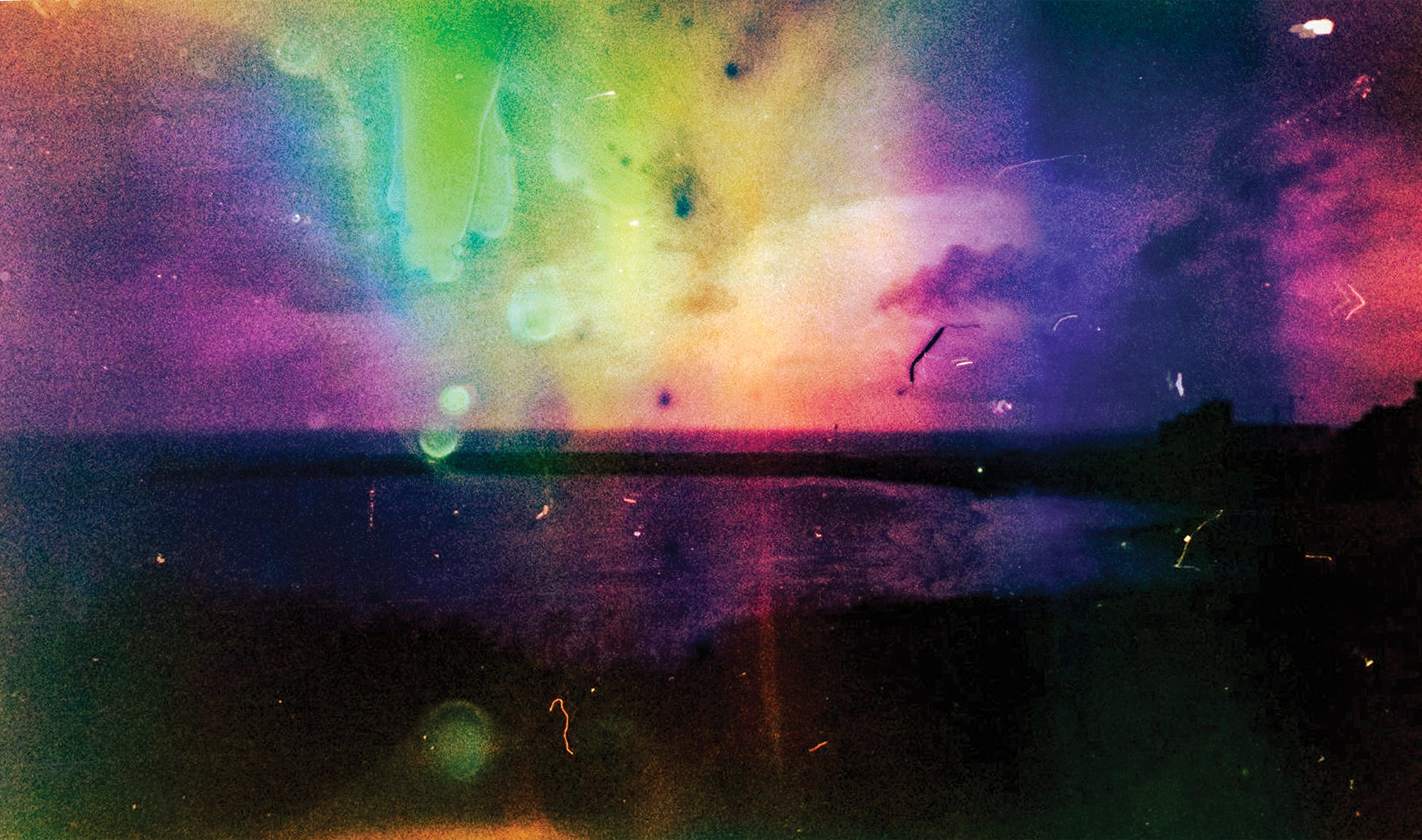
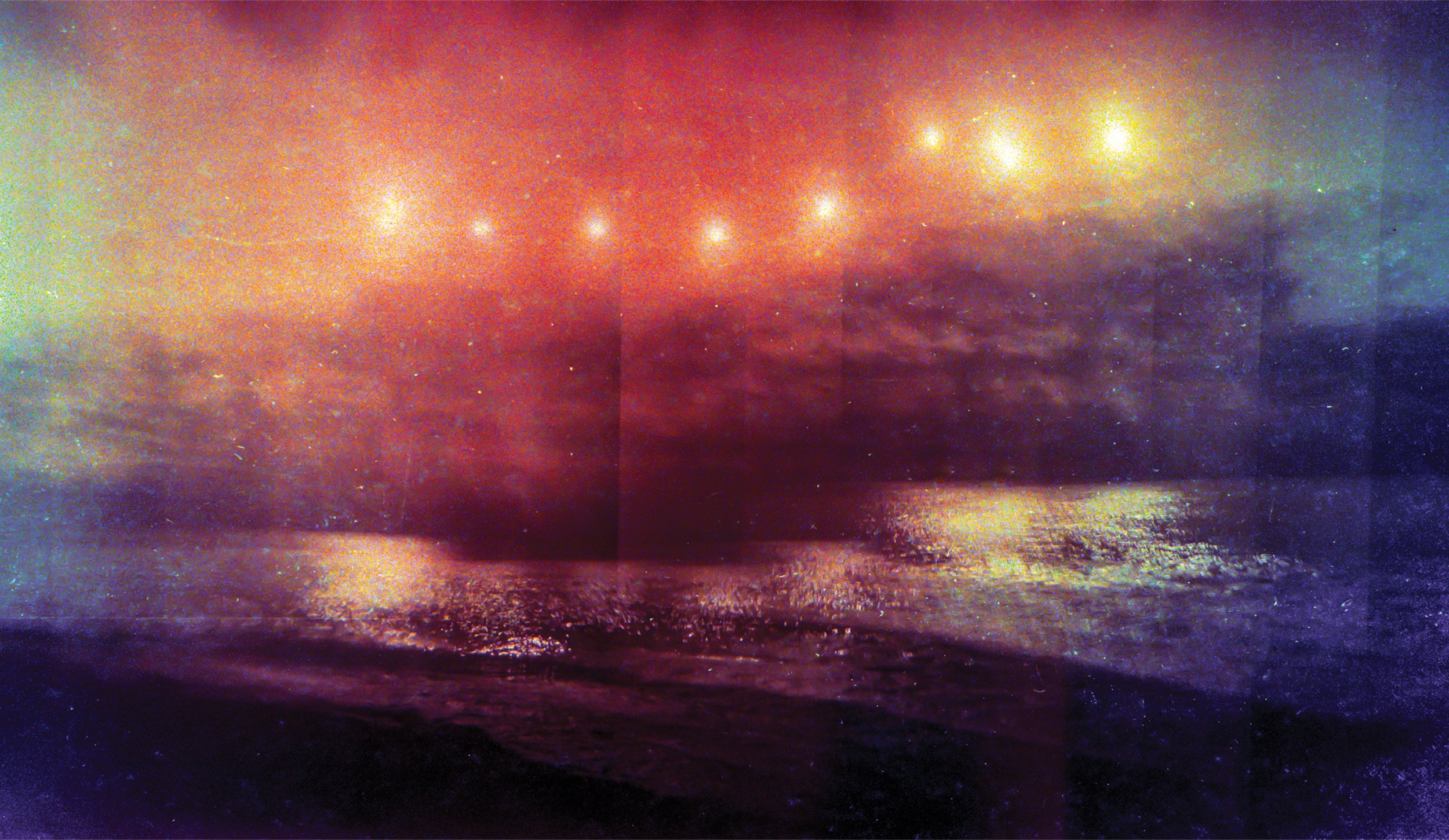
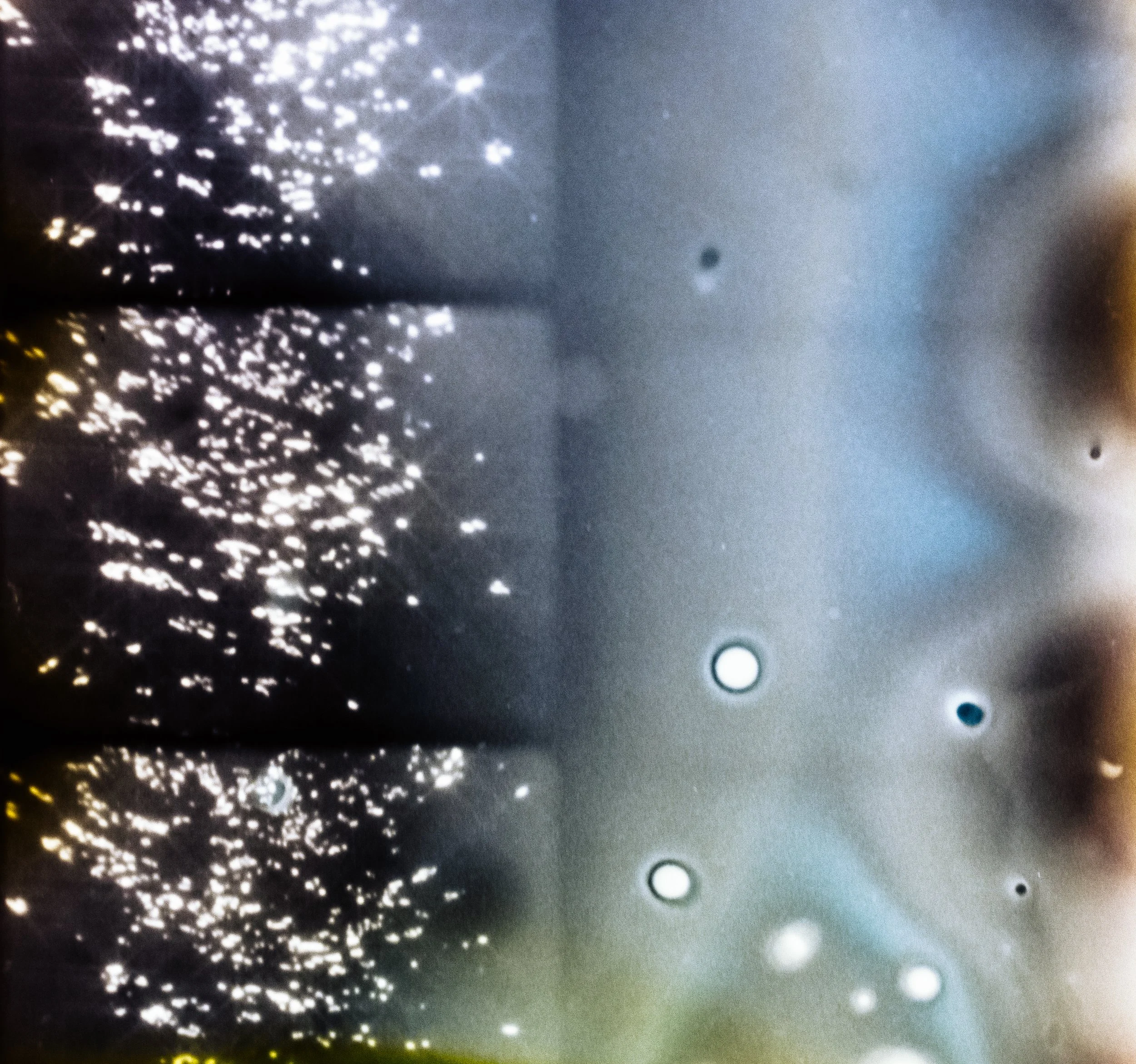
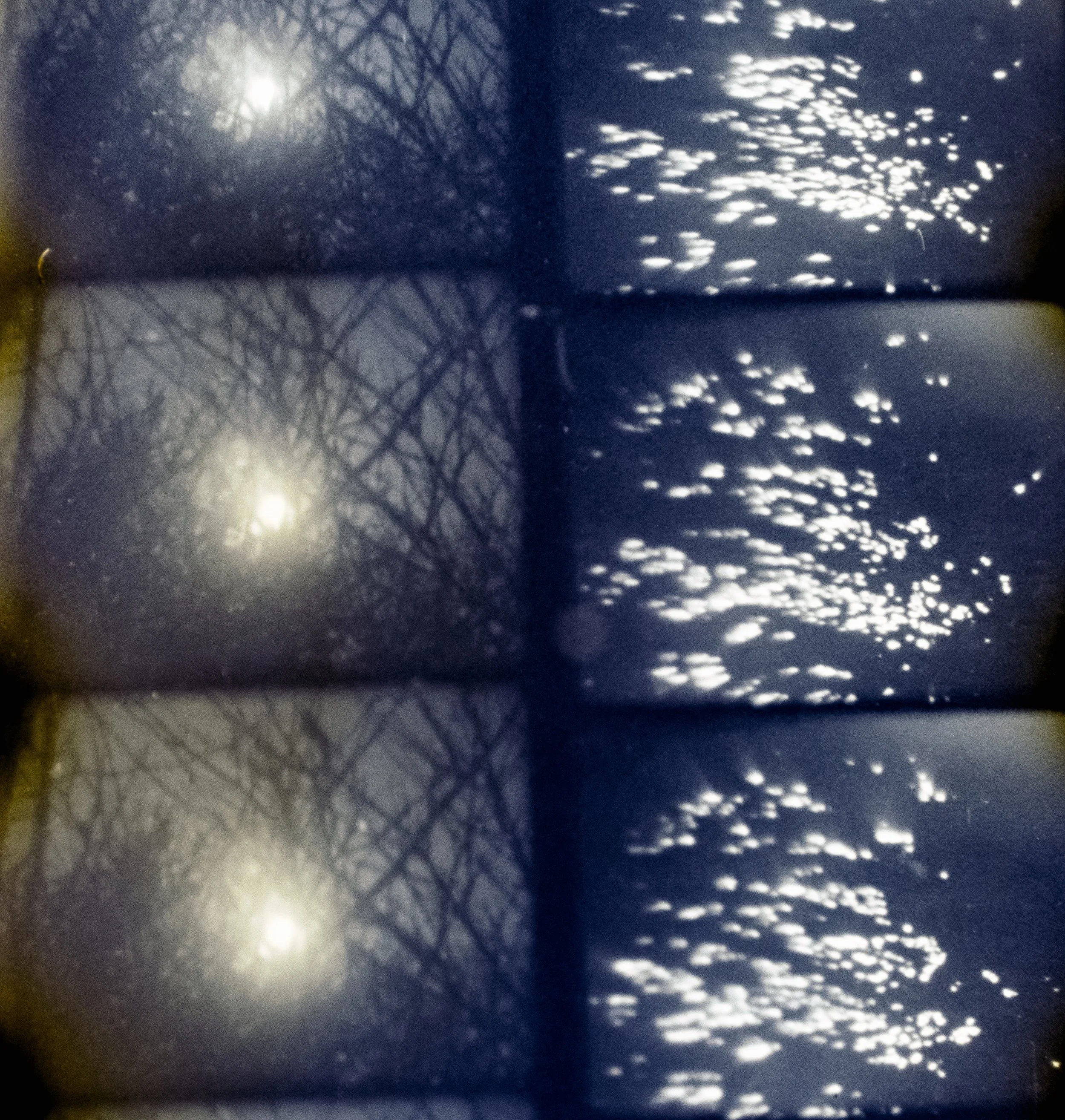
The Images here are, Shotska Reel (2022), rushes scans from 8mm negatives
Dark Aberrations (2025), Analogue Photographs (holga clicks and film dropped in the sea.
A selection of recent exhibitions, screenings and festivals…
2025
Clearing, Dover Road Gallery, Folkestone Fringe
Salon 186, Folkestone, UK
Between a Frame and a Soft Place, Millennium Film Workshop, NYC
No Longer a Memory, Milton Keynes Festival Fringe, UK
Vertical Hold, Gallery One Visual Art Centre, Washington State USA
Altered States, ArtScience Museum, Singapore.
Exploding Cinema, the Cinema Museum, London
Oblivion, The Old Market, Hove
ESPFC 24 Hour Psychedelic Drone
Bricking It at Krankenhaus Festival, Munster Castle, UK
Bricking It at the Consulate, Liverpool, UK
Strangloscope festival, Santa Catarina, Brazil