
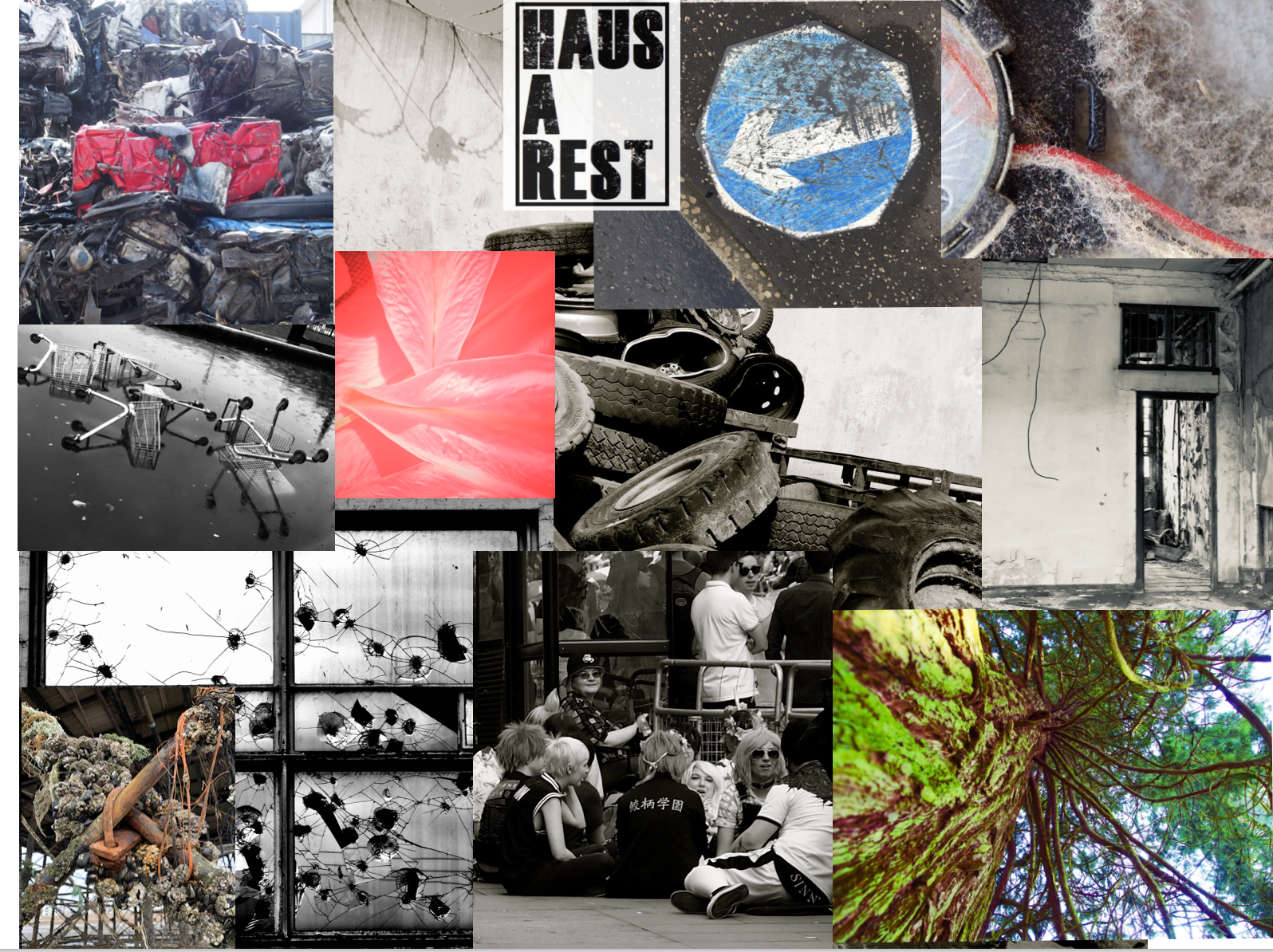
This issue opens the Writers’ Corner with voices both familiar and new. While not every piece speaks directly to the theme, each contributes to the wider texture of the issue, moments of reflection, narrative drift, and personal observation.
I begin with my own writing this month as much of my work starts from my love of the unseen, within the landscape around us. Then we follow with our resident writers, before moving into a broader selection of contributions. Together, these pieces create a space for language to move freely, sometimes anchored, sometimes wandering, allowing the writing to exist on its own terms.
>>>>>>>>>>>>>>><<<<<<<<<<<<<<<
Unsettled Ground
by Nichola Rodgers www.nicholarodgers.com
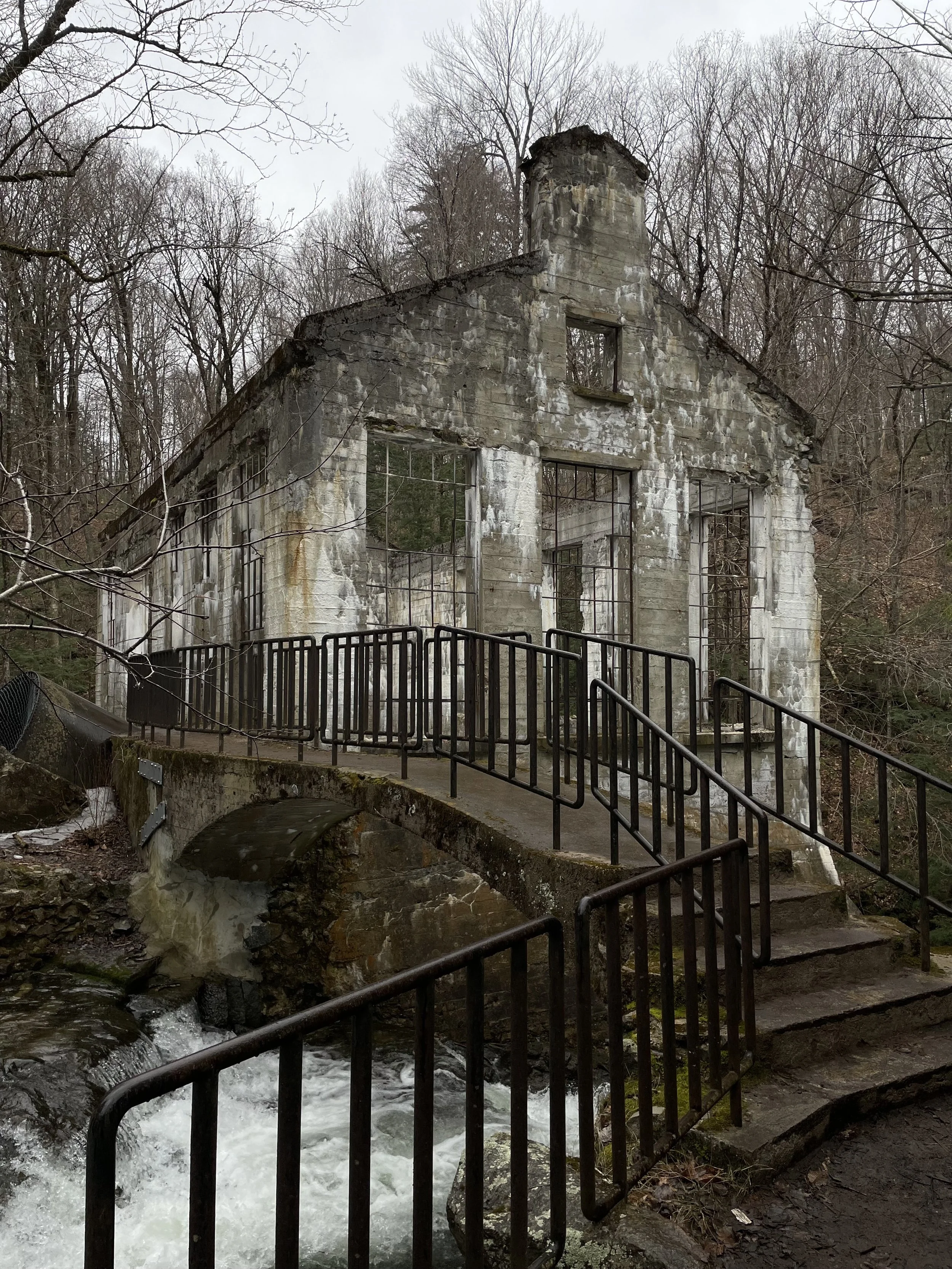
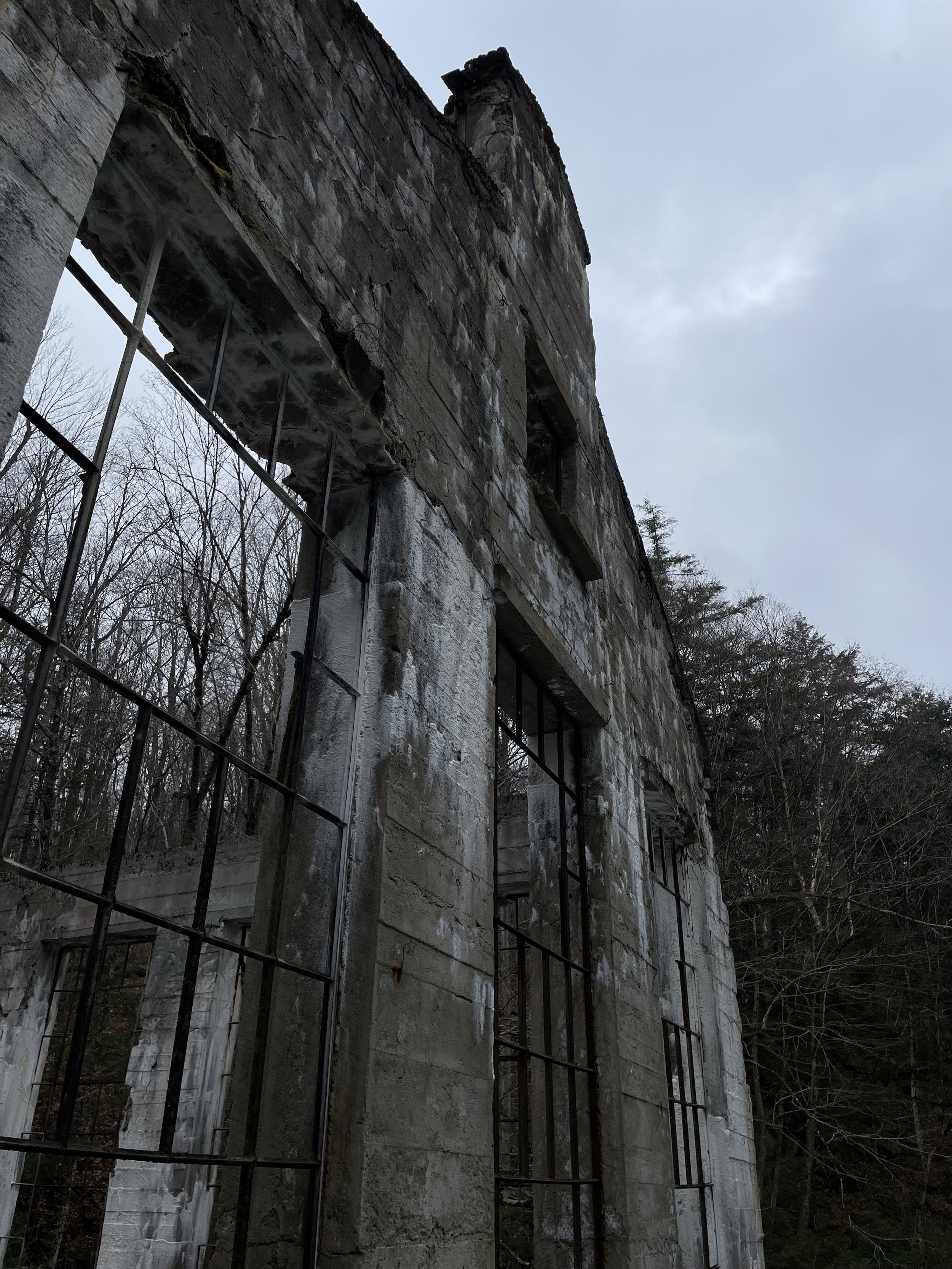
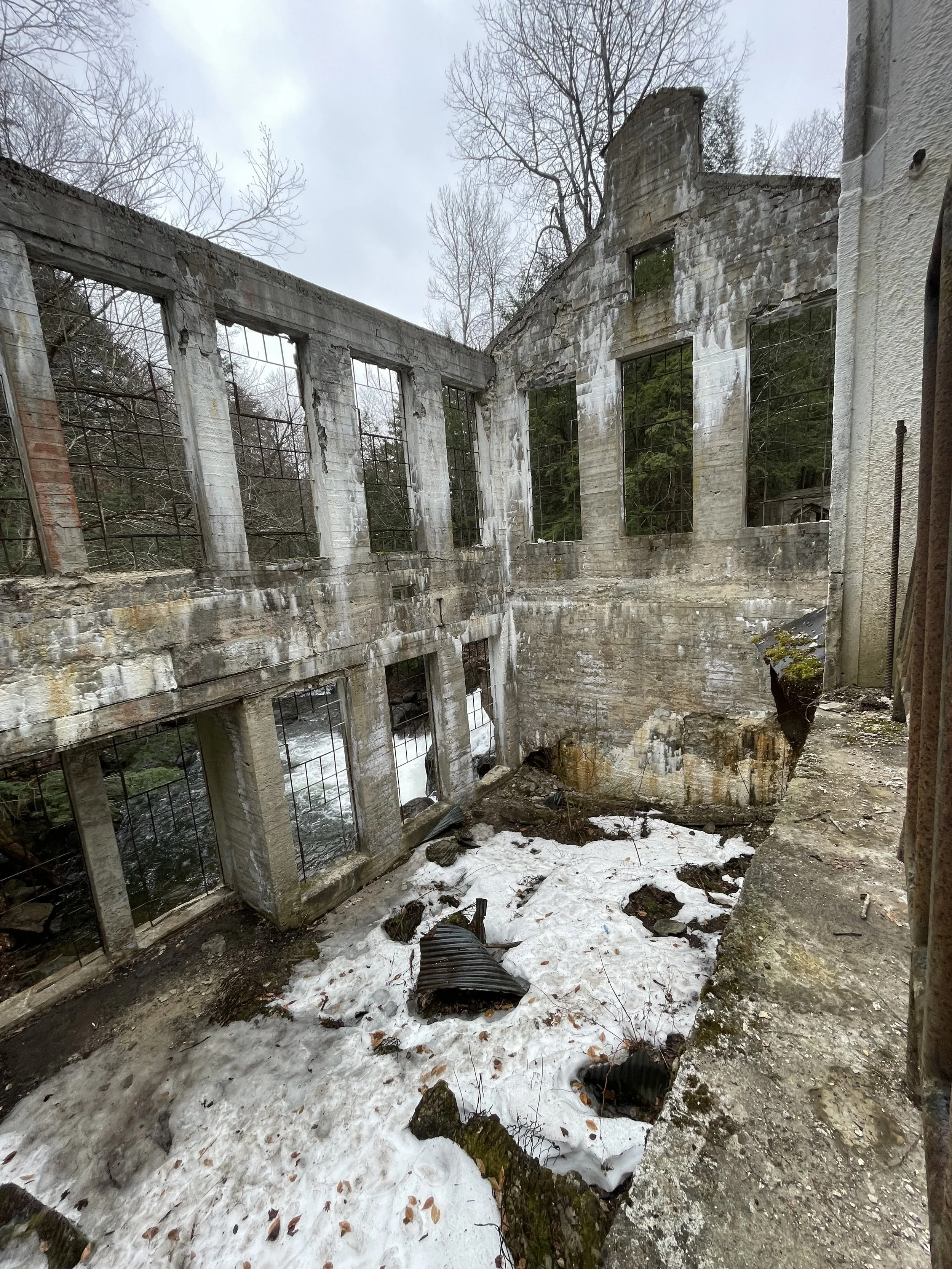
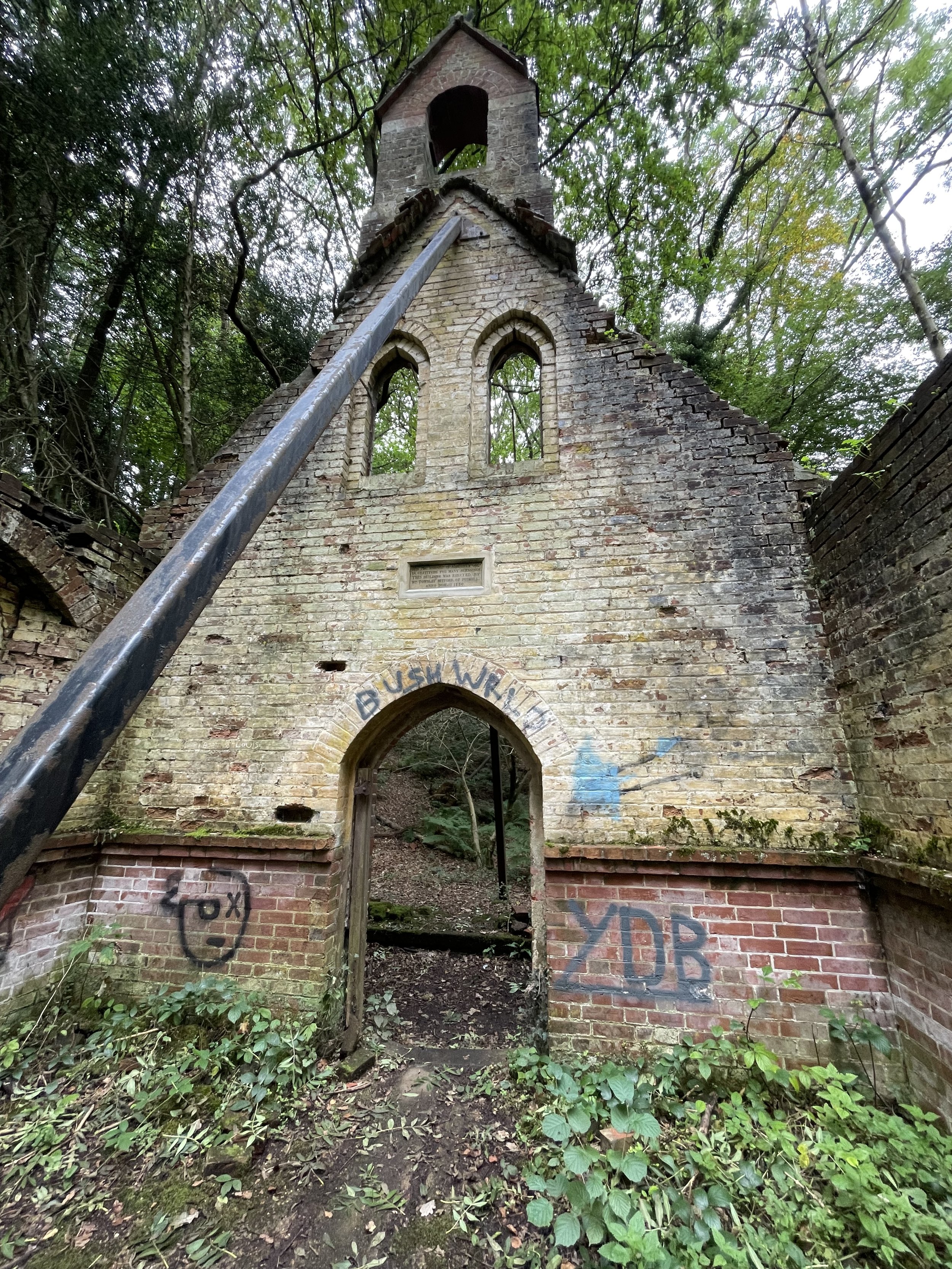
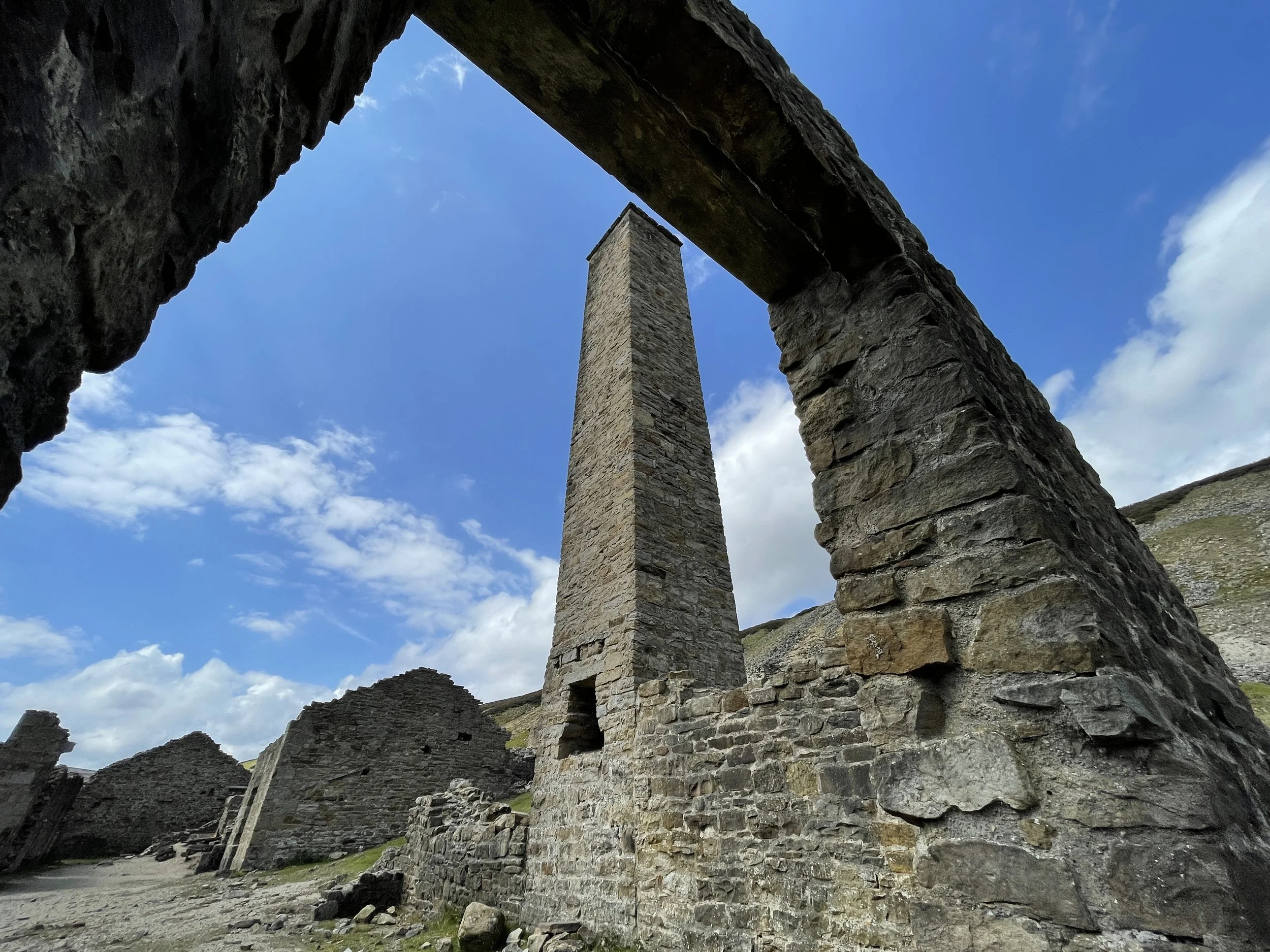
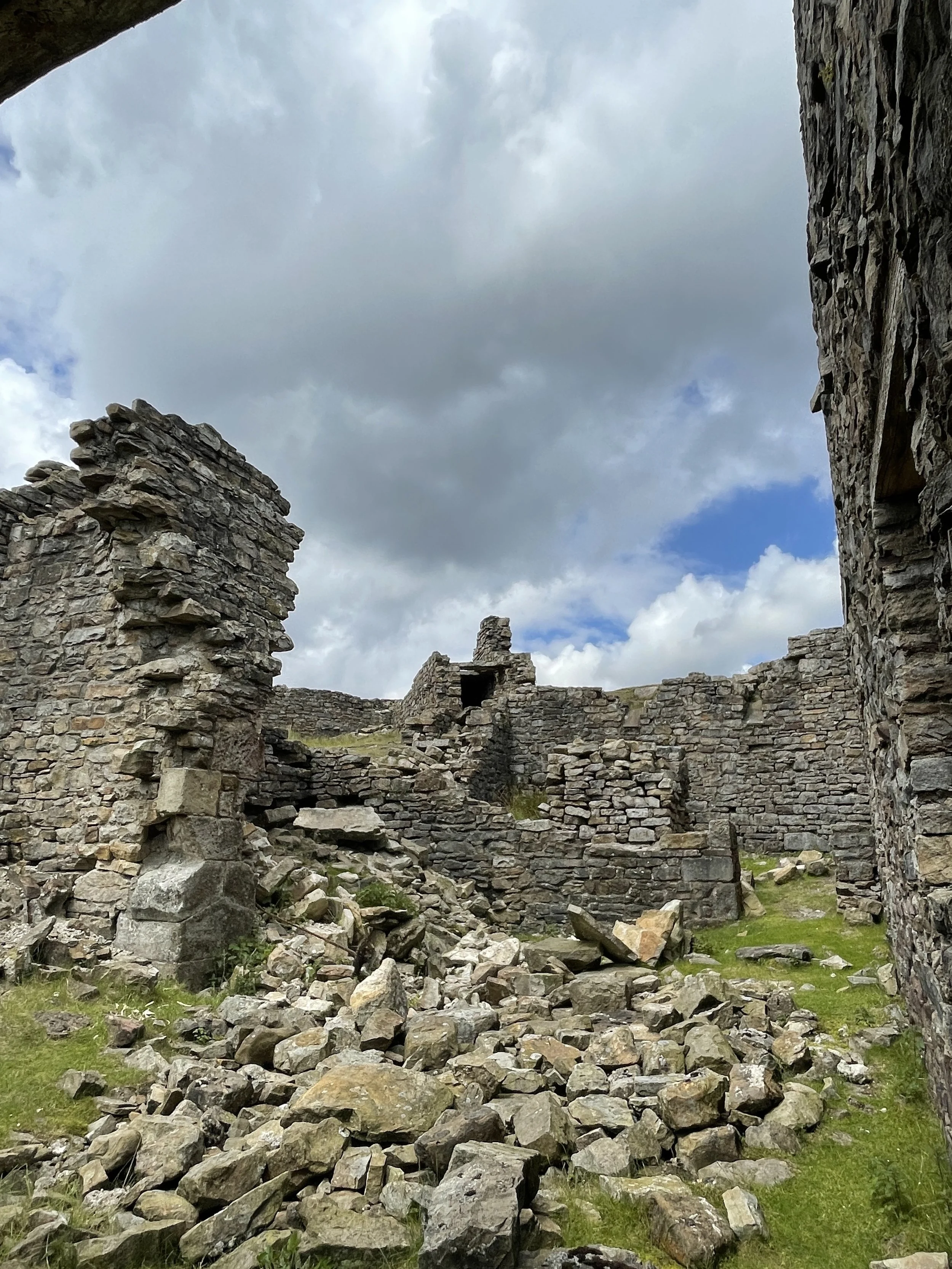
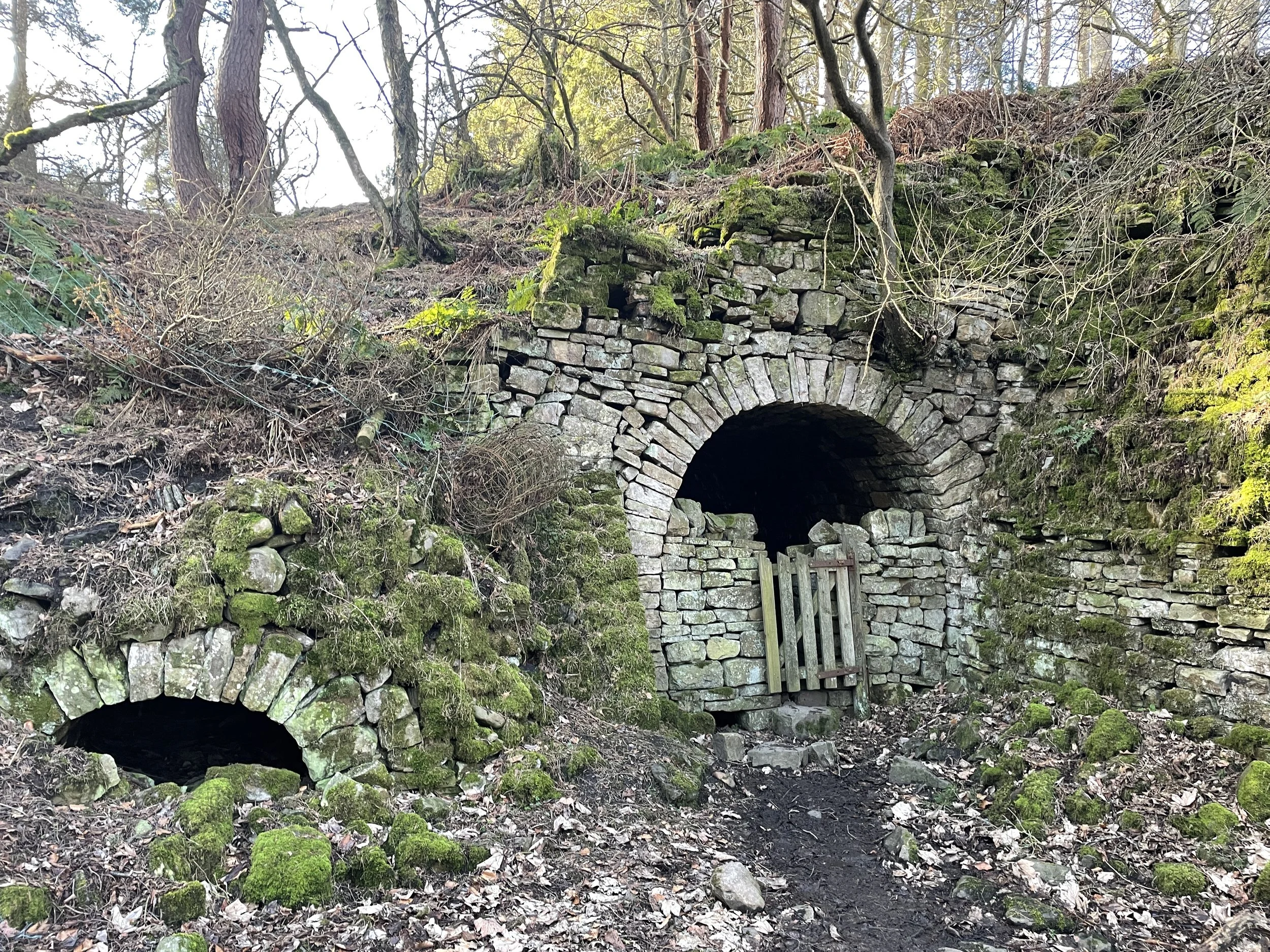
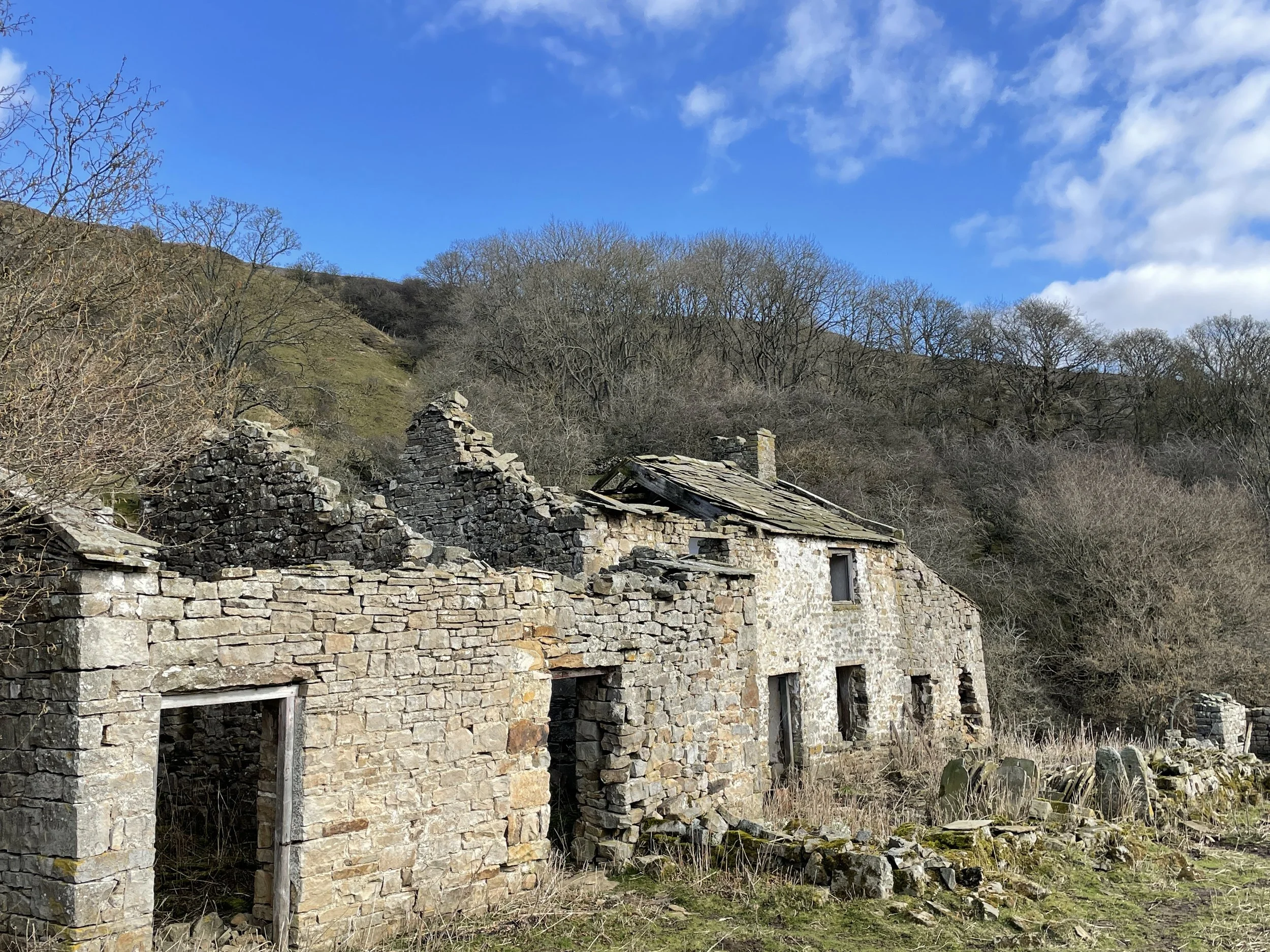
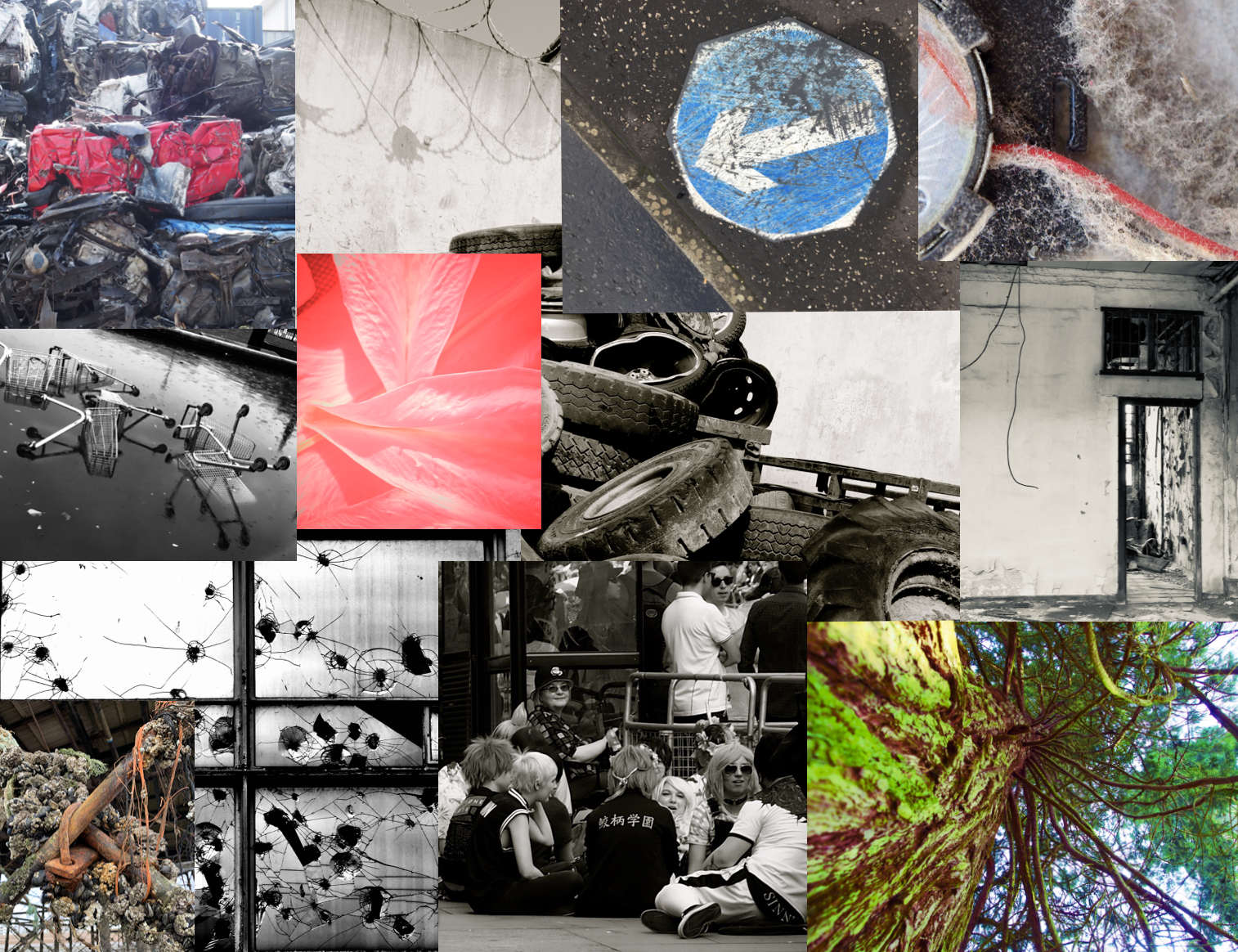
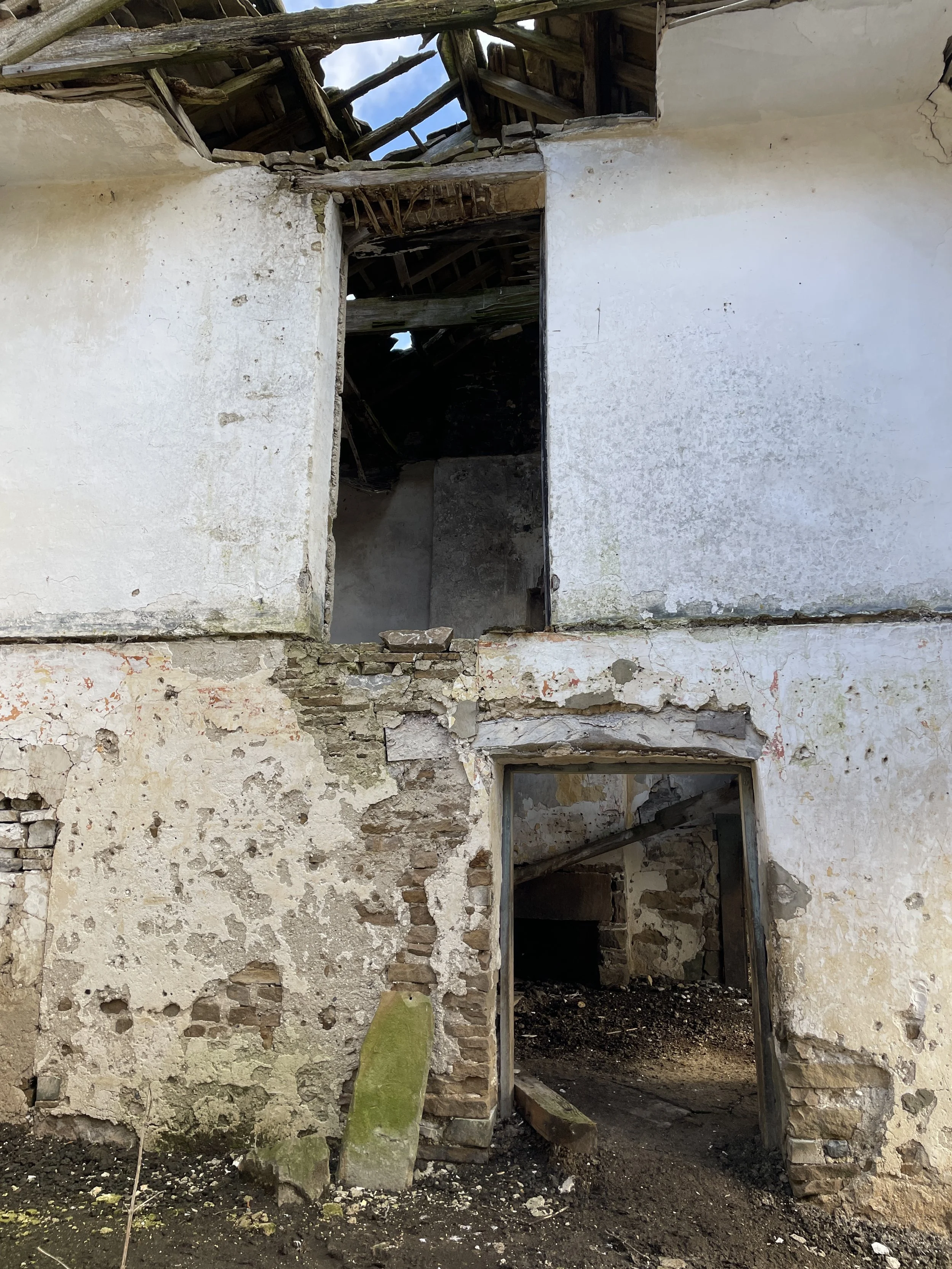
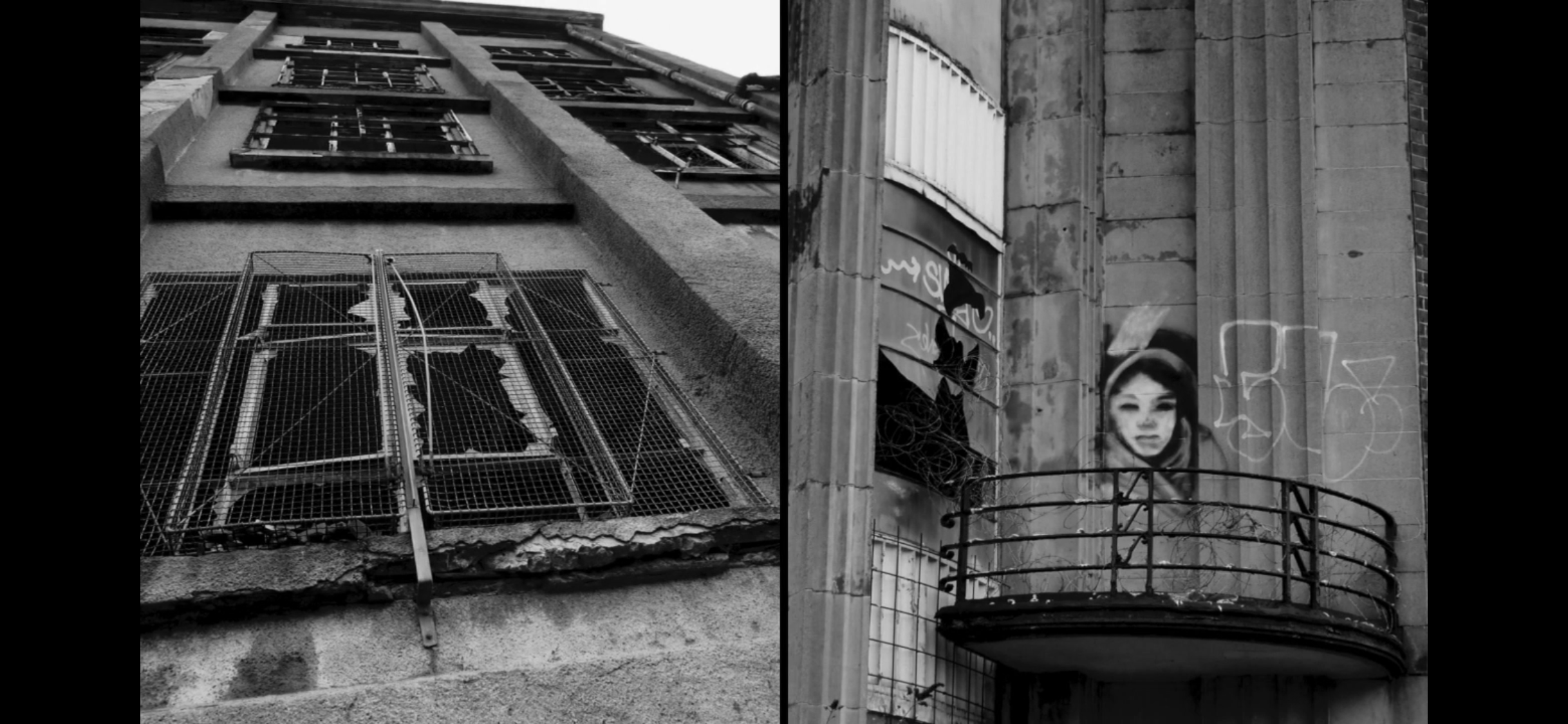
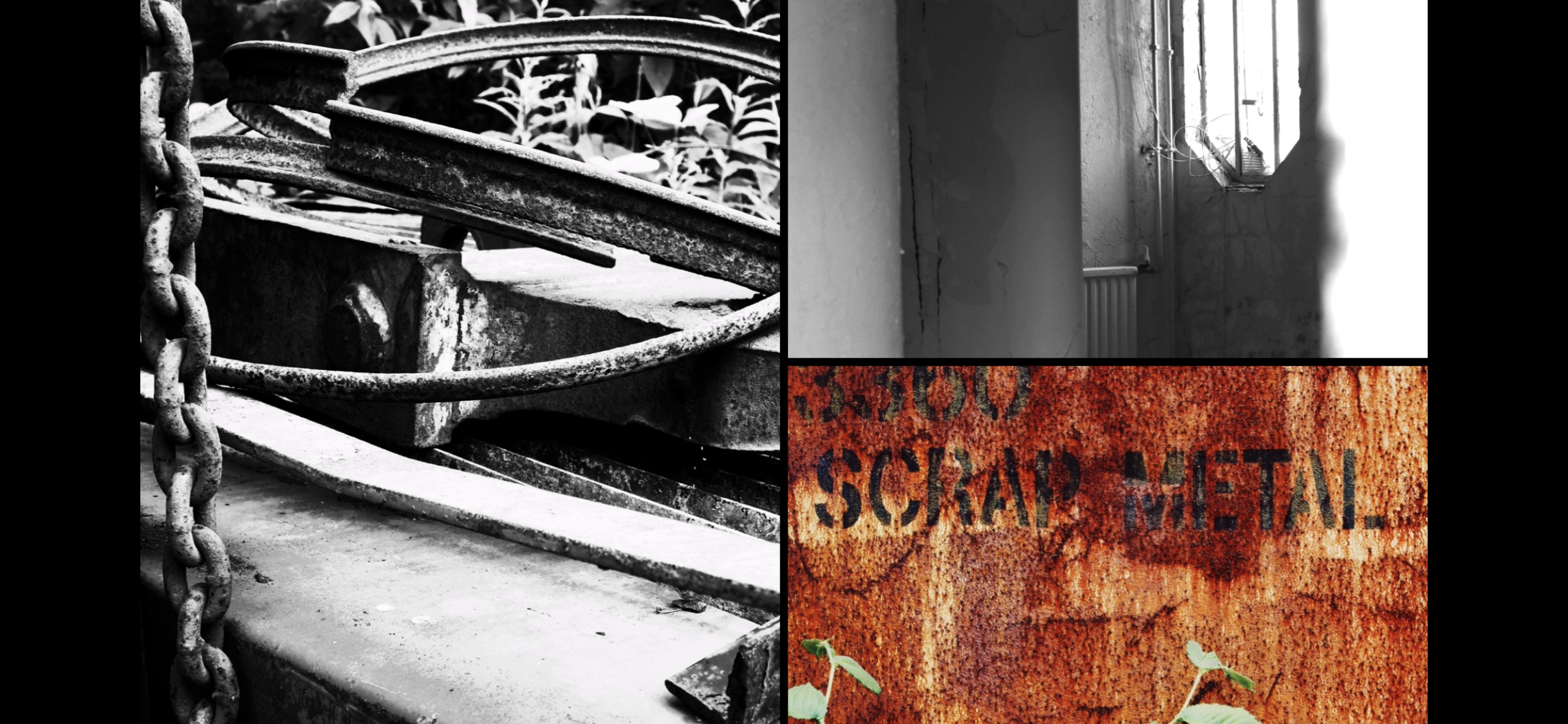
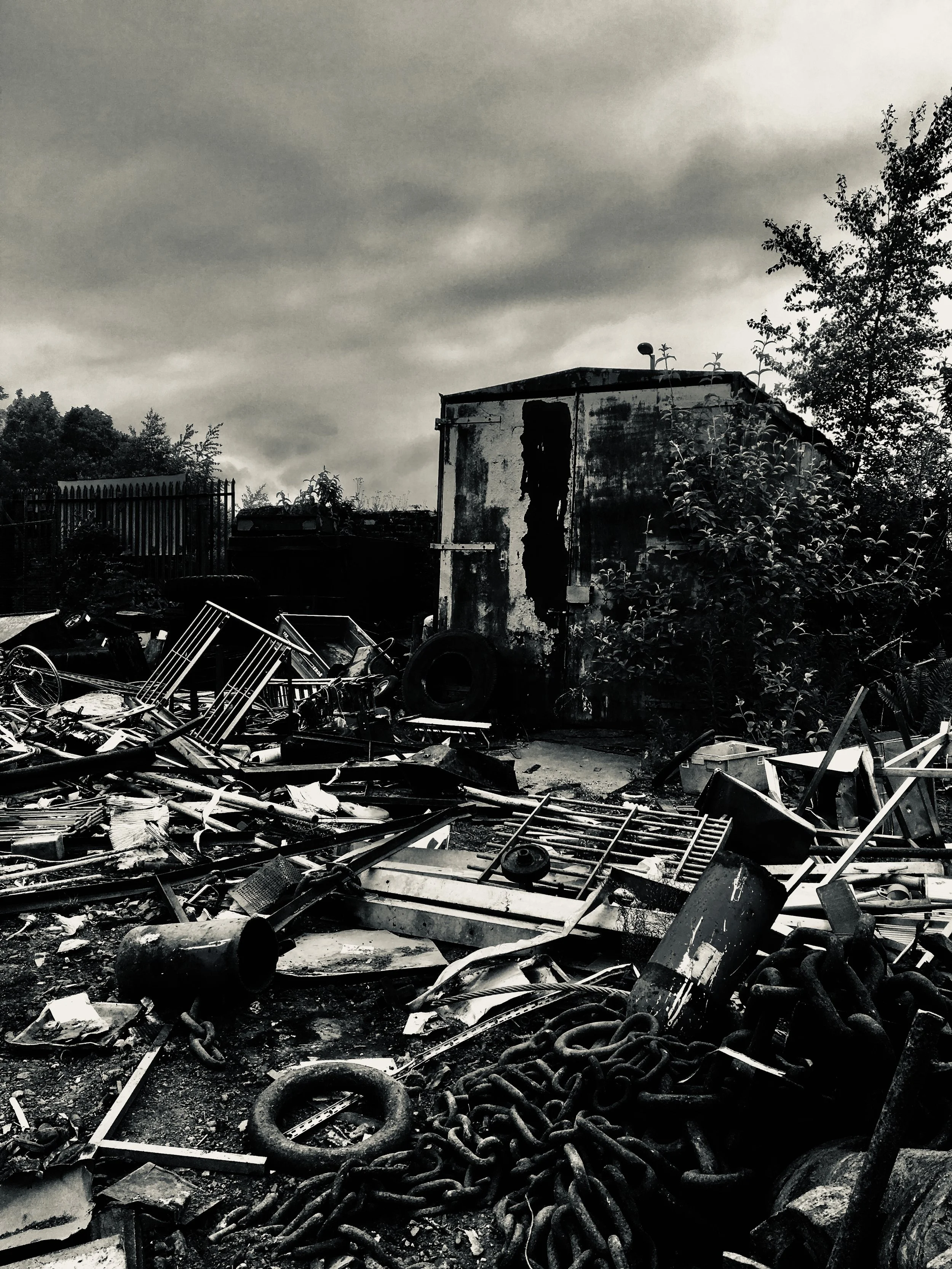
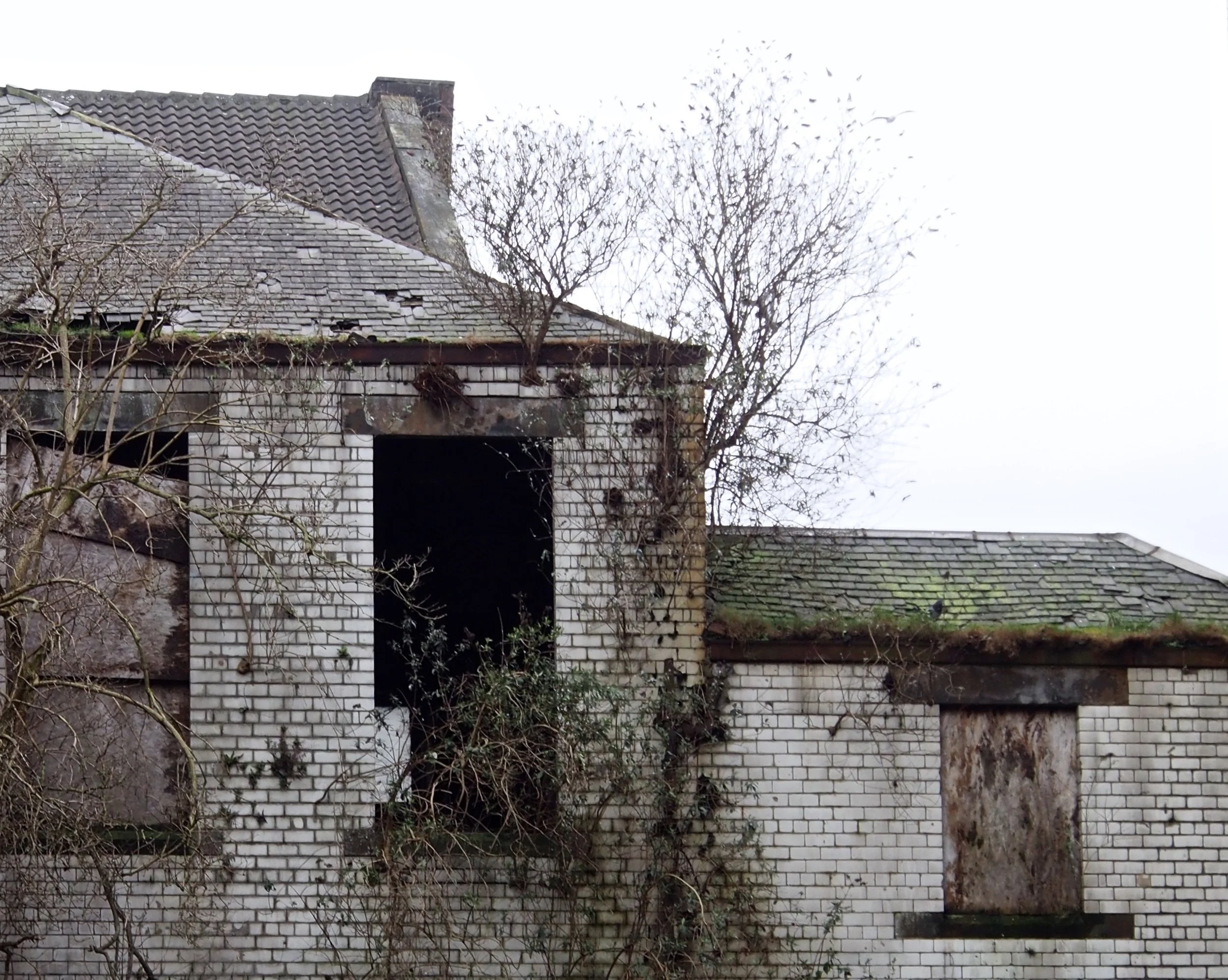
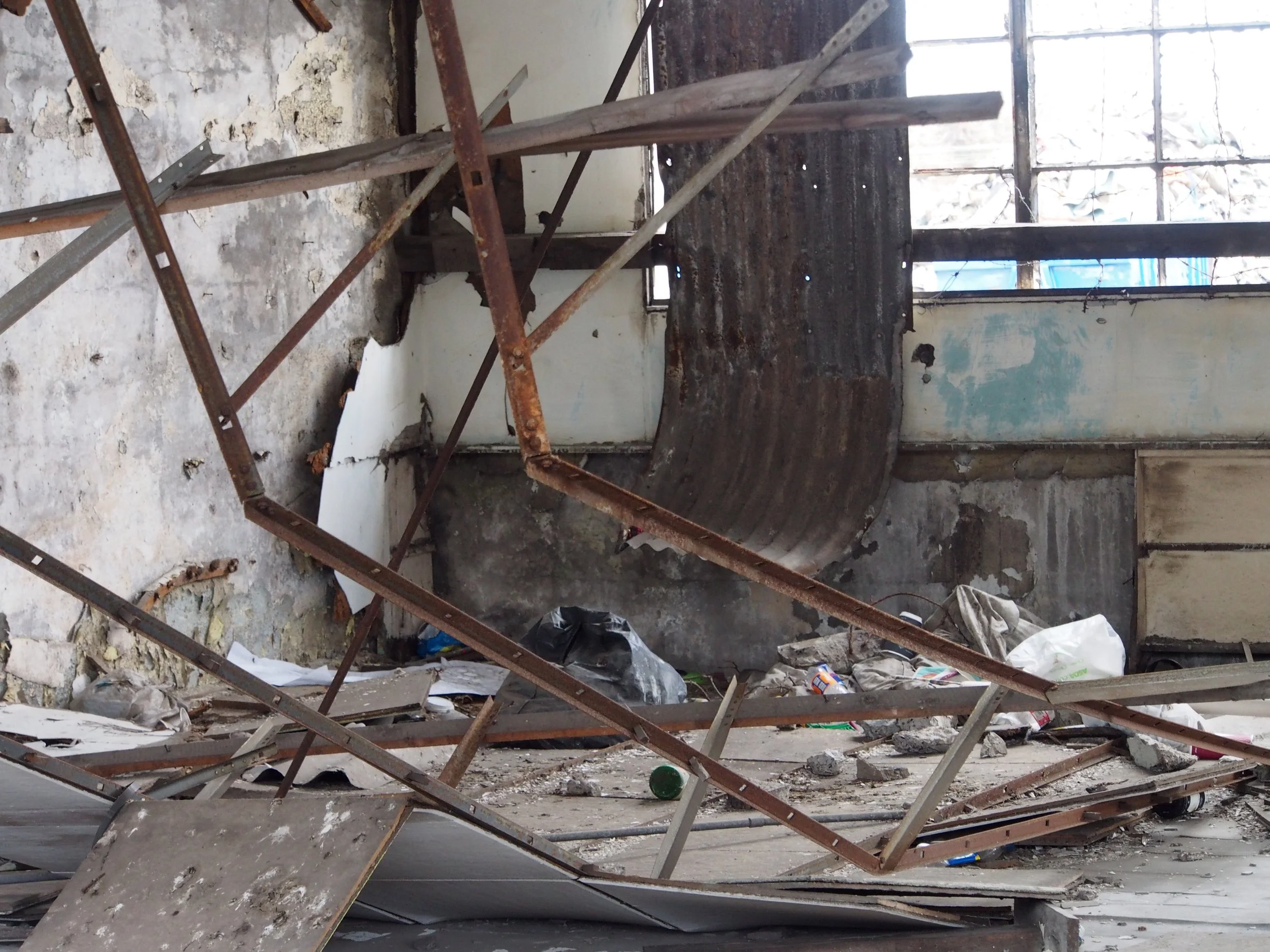
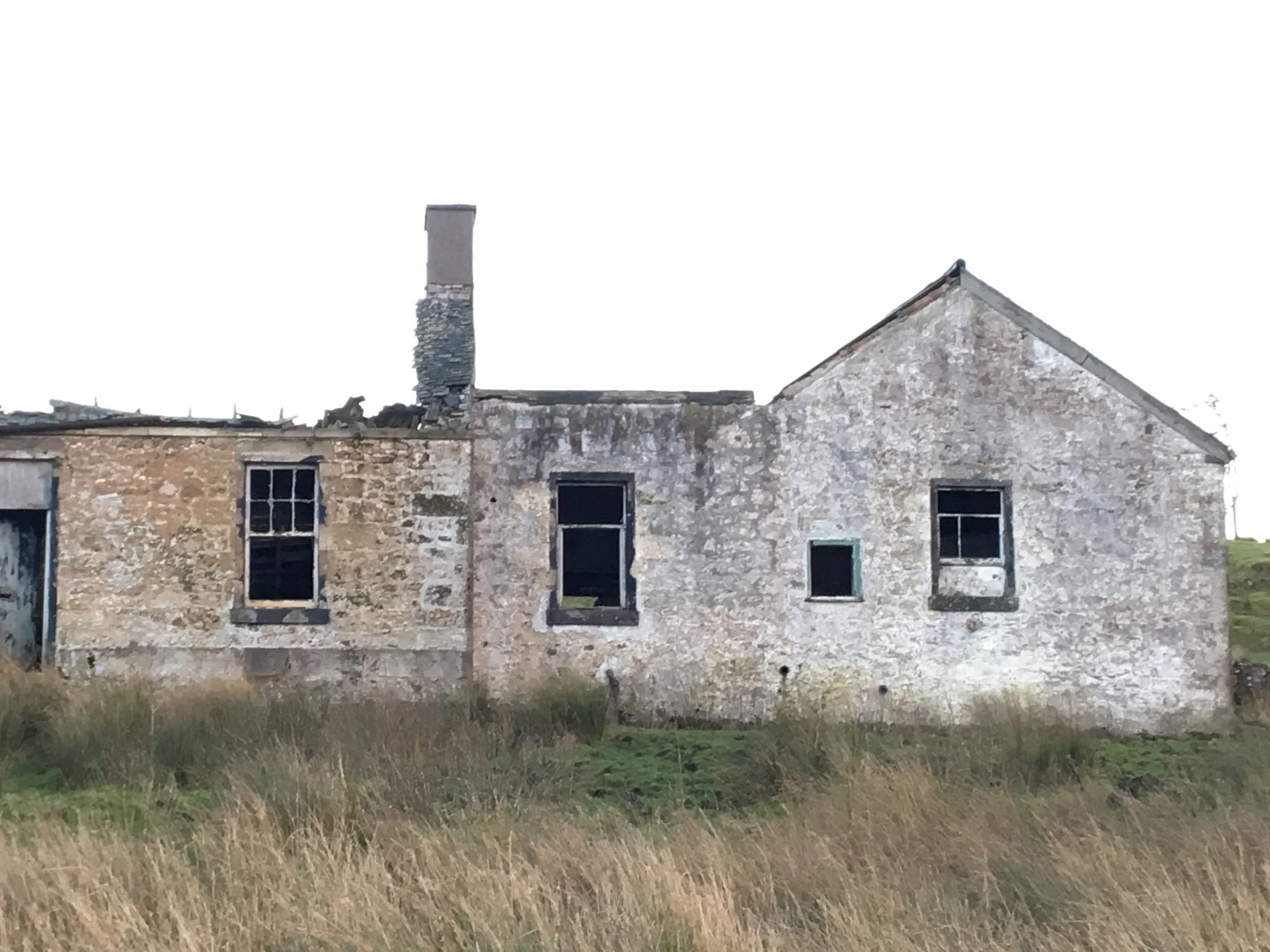
My photographic practice is rooted in the ruin and the uncanny: in spaces, materials, and presences that exist at the margins of societal attention. I am drawn to what is overlooked, discarded, or rendered invisible by systems of progress and order, abandoned buildings, fragments of detritus, transient human traces, and the quiet tensions embedded within space itself. These subjects are not anomalies, but symptoms: evidence of how society moves, forgets, and leaves behind. Through photography, I seek not simply to document these remnants, but to engage with them as active sites of memory, transformation, and latent meaning.
The ruin operates within my work as a spatial and temporal collapse rather than a static symbol of decay. Walter Benjamin’s conception of history as a constellation of fragments rather than a linear progression is central here; the ruin becomes a site where multiple temporalities coexist. Crumbling architecture and weathered surfaces resist narratives of continual advancement, revealing instead the instability of permanence. These spaces hold traces of past function while remaining open to future transformation, situating the viewer within an unresolved present.
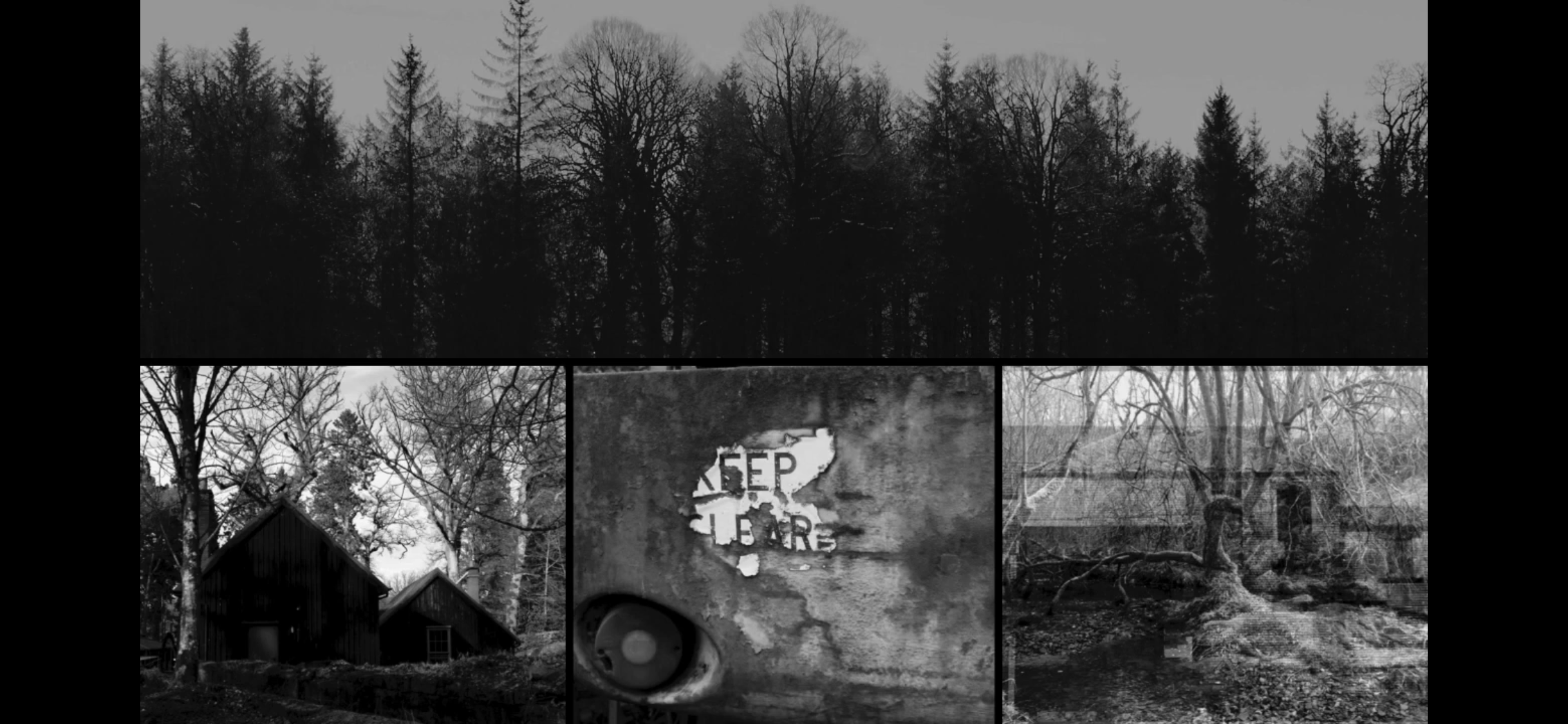
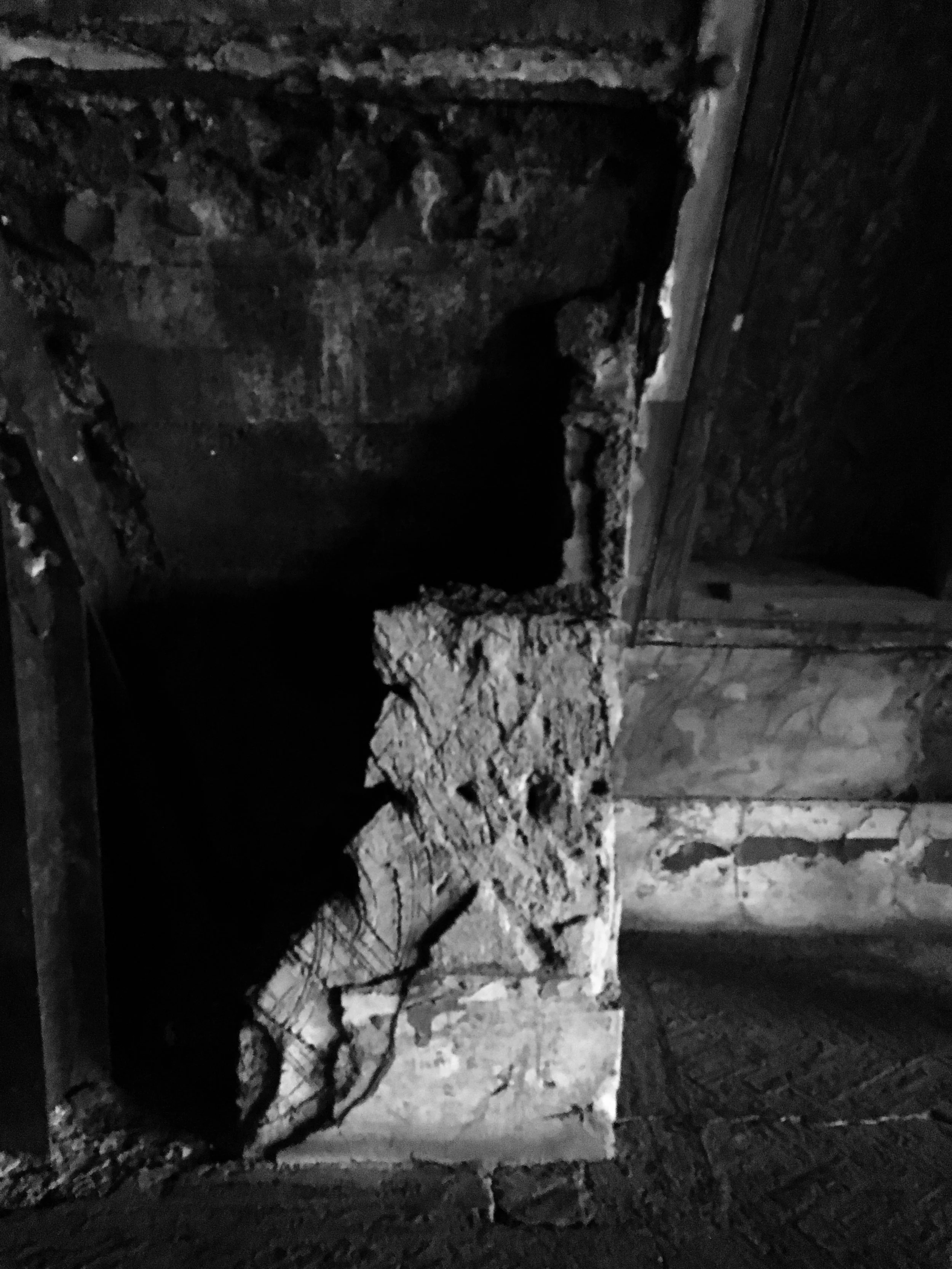
The uncanny emerges through this instability. Drawing on Freud’s notion of the unheimlich, the familiar rendered strange, my images occupy a threshold between recognition and estrangement. Empty interiors, repetitive architectural forms, and partially erased signs of habitation produce a quiet unease. These are not spectacular moments of abandonment, but subtle dislocations, spaces that appear functional yet are devoid of life, or landscapes that carry the imprint of human intervention long after use has ceased. The uncanny, is less about fear than about disorientation: a disturbance of spatial and psychological certainty.
Human presence is often indirect within these images. Rather than prioritising portraiture, I am interested in traces, marks, residues, and gestures that signal habitation without depicting it. This aligns with anthropological and spatial theories that understand place as something produced through repeated human action. A worn stair, a discarded object, or a path carved into the land speaks of collective behaviour and memory. When figures do appear, they frequently exist in tension with their surroundings, positioned as transient within larger systems of architecture, landscape, or infrastructure. This reflects a broader inquiry into how individuals are shaped by the spaces they occupy, and how agency is negotiated within those environments.
Space itself functions as an active subject. Influenced by phenomenological approaches to place, particularly those that emphasise embodied experience, my work considers how space is felt as much as it is seen. The photograph becomes a site where sensory memory, light, texture, scale, can be reactivated. These environments are not neutral containers, but participants in social, political, and ecological processes. The framing of space is therefore an ethical act: what is included, excluded, or rendered peripheral reflects broader structures of value.
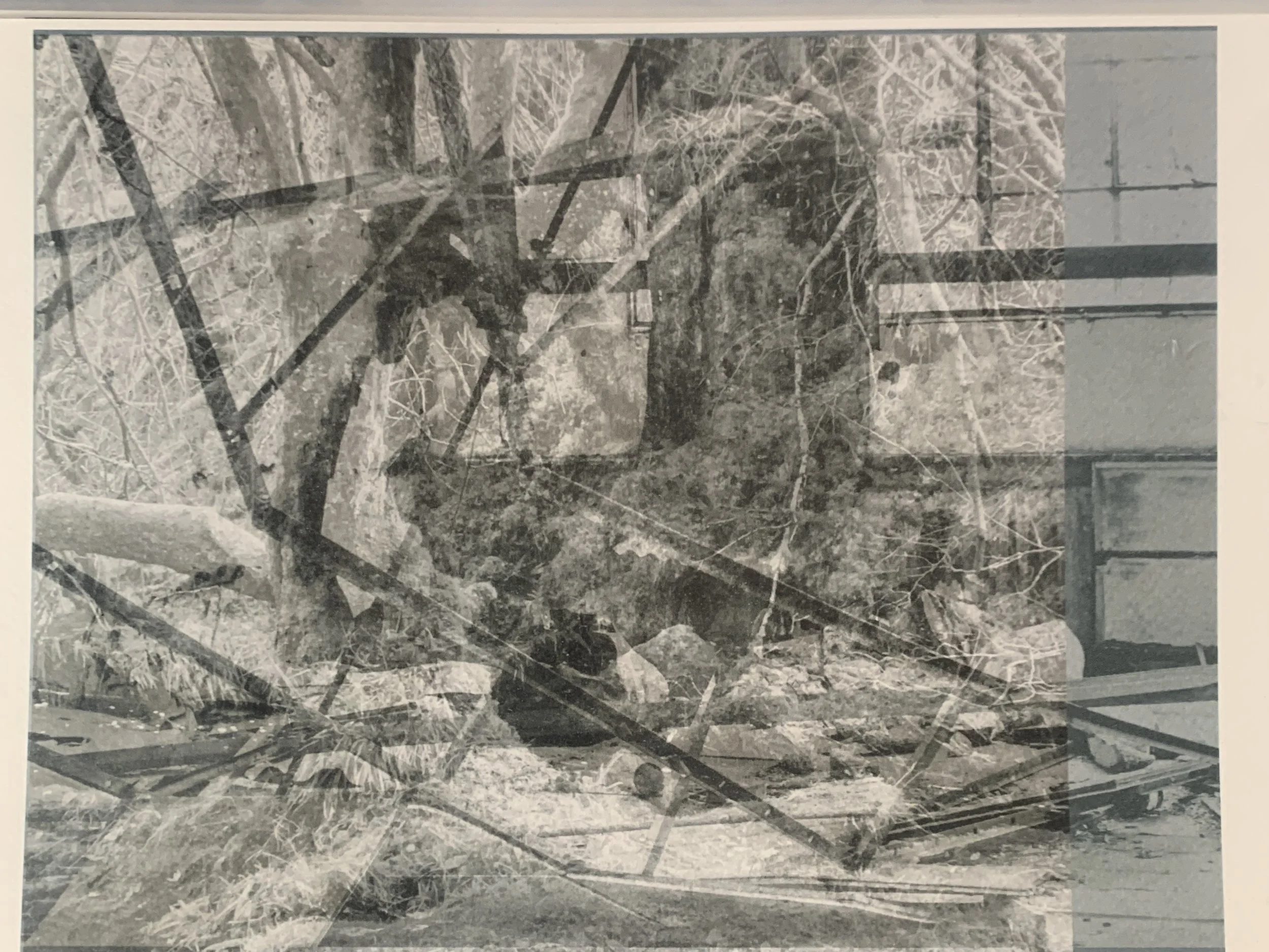
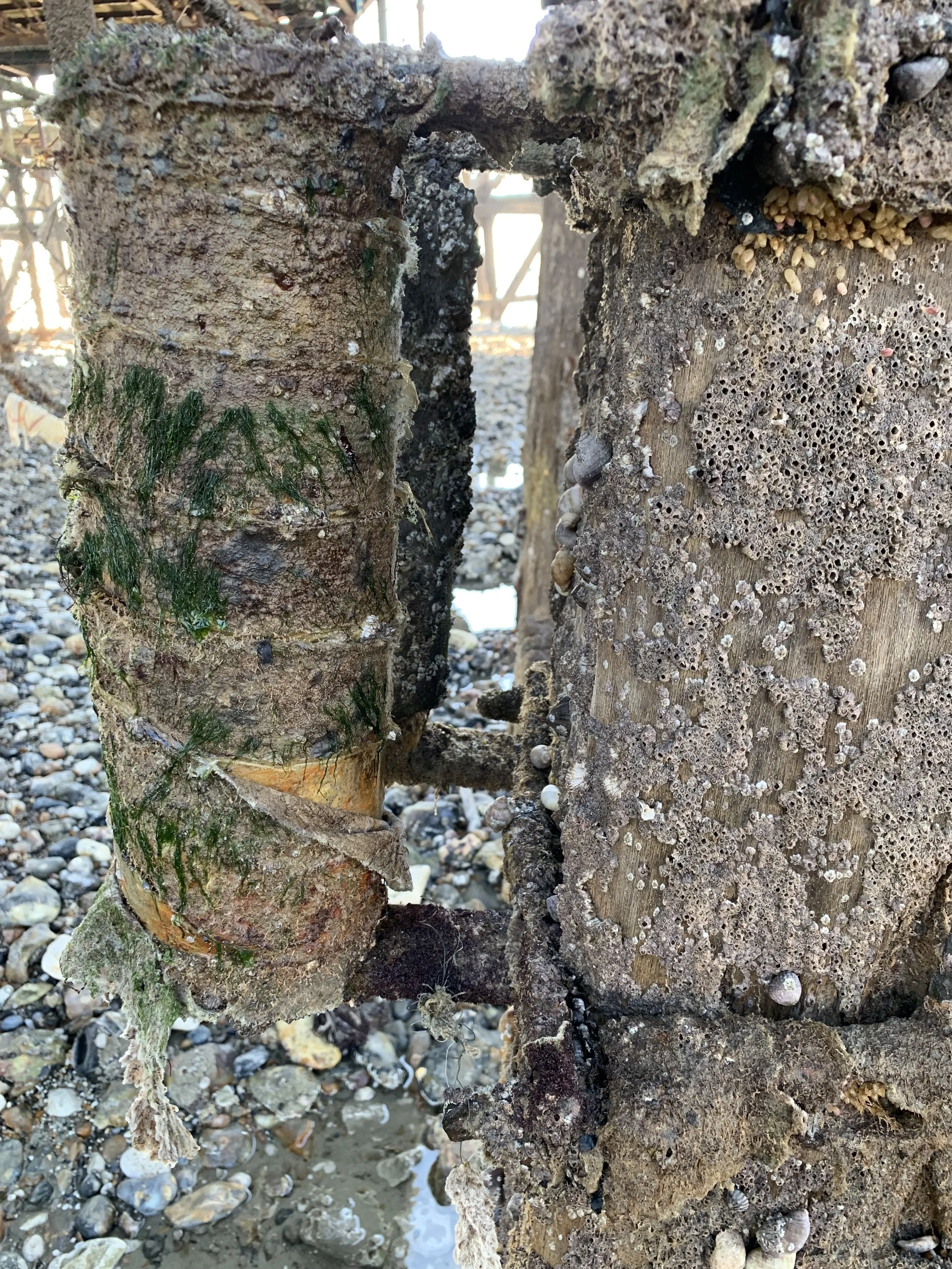
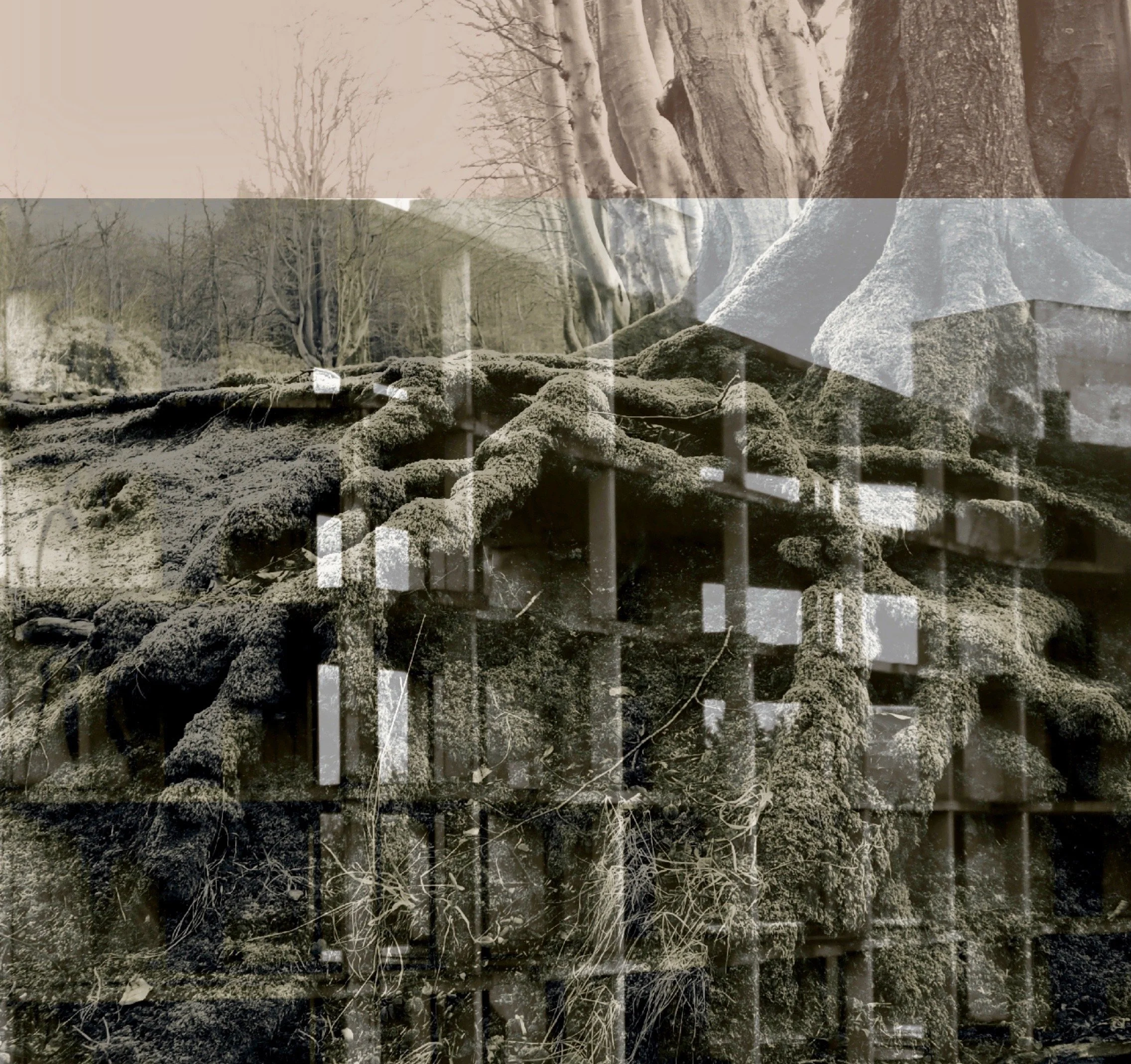
As my practice has developed, these concerns have led me increasingly toward questions of ecology and human–nature relationships. In spaces of abandonment, nature asserts itself quietly yet persistently. Vegetation breaches concrete, moisture stains walls, and organic matter accumulates where control has receded. These moments echo Timothy Morton’s conception of ecology as something inseparable from human systems rather than external to them. Nature, within my work, is not idealised as restorative or pure; it is entangled, adaptive, and indifferent. The images reveal a coexistence that is often uncomfortable, undermining romantic distinctions between the built and the natural environment.
Photography functions here as a method of attentiveness. It requires slowness and proximity, an ethical positioning that resists extraction. My process is grounded in repeated visits and sustained observation. This approach mirrors the unconscious connections we form with the spaces we inhabit daily, connections shaped through routine, memory, and sensory repetition. By foregrounding the overlooked and the unseen, my work asks viewers to reconsider their own spatial relationships and their complicity within systems of consumption, neglect, and erasure.
Ultimately, my practice is concerned with visibility, ethics, and impermanence. The ruin and the uncanny function as conceptual tools through which certainty is destabilised and alternative readings of space are proposed. These images exist in a space between documentation and meditation, where beauty and discomfort coexist. Through this work, I aim not to offer solutions, but to cultivate attentiveness, to fragile spatial connections, to the persistence of nature, and to the traces we leave behind. In acknowledging these unseen presences, the work reflects on how we exist within space, and how space, in turn, continues to exist beyond us.
Here is a selection of my work -
Resident Poet & Artist:
Peter Devonald
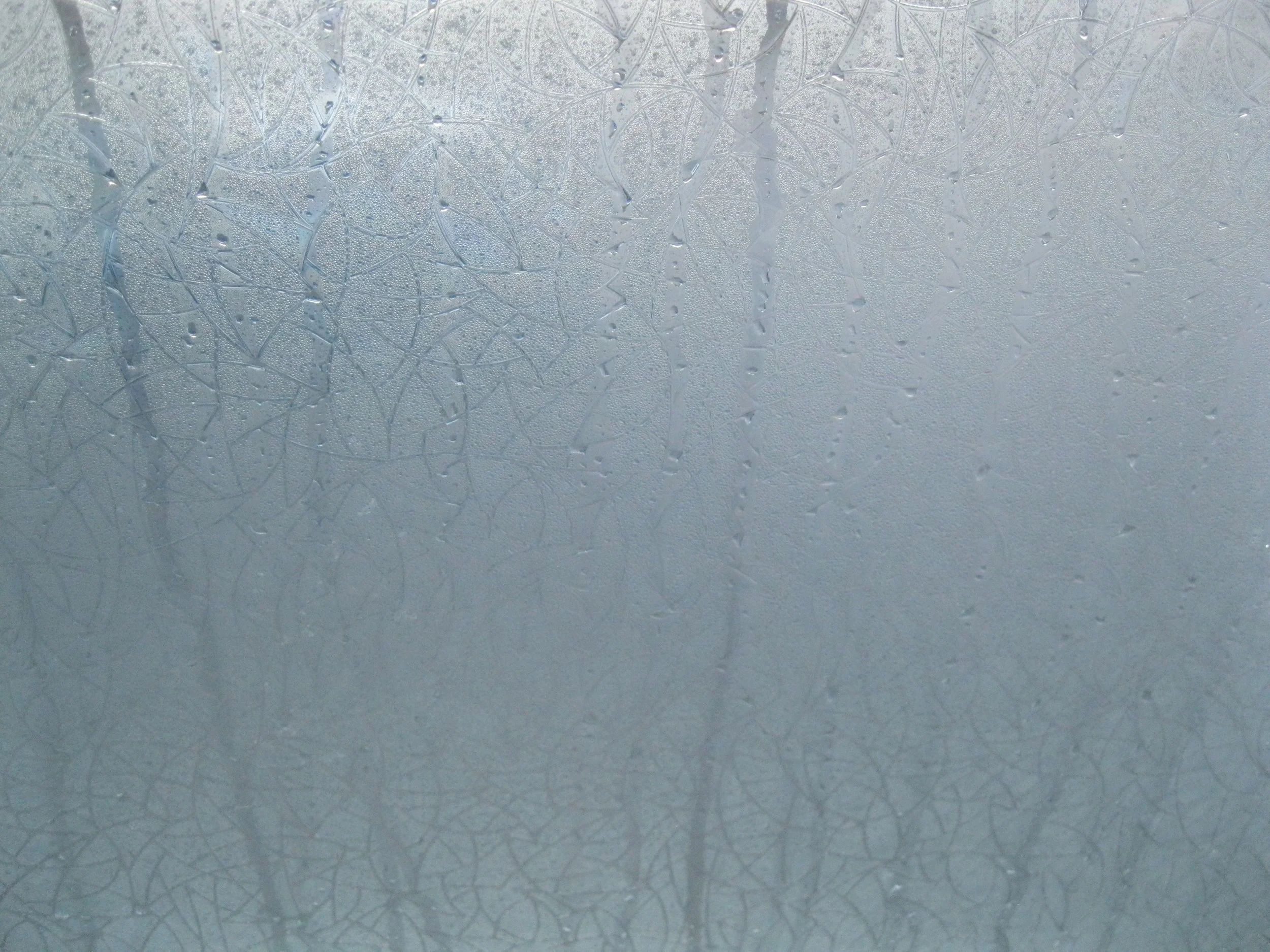
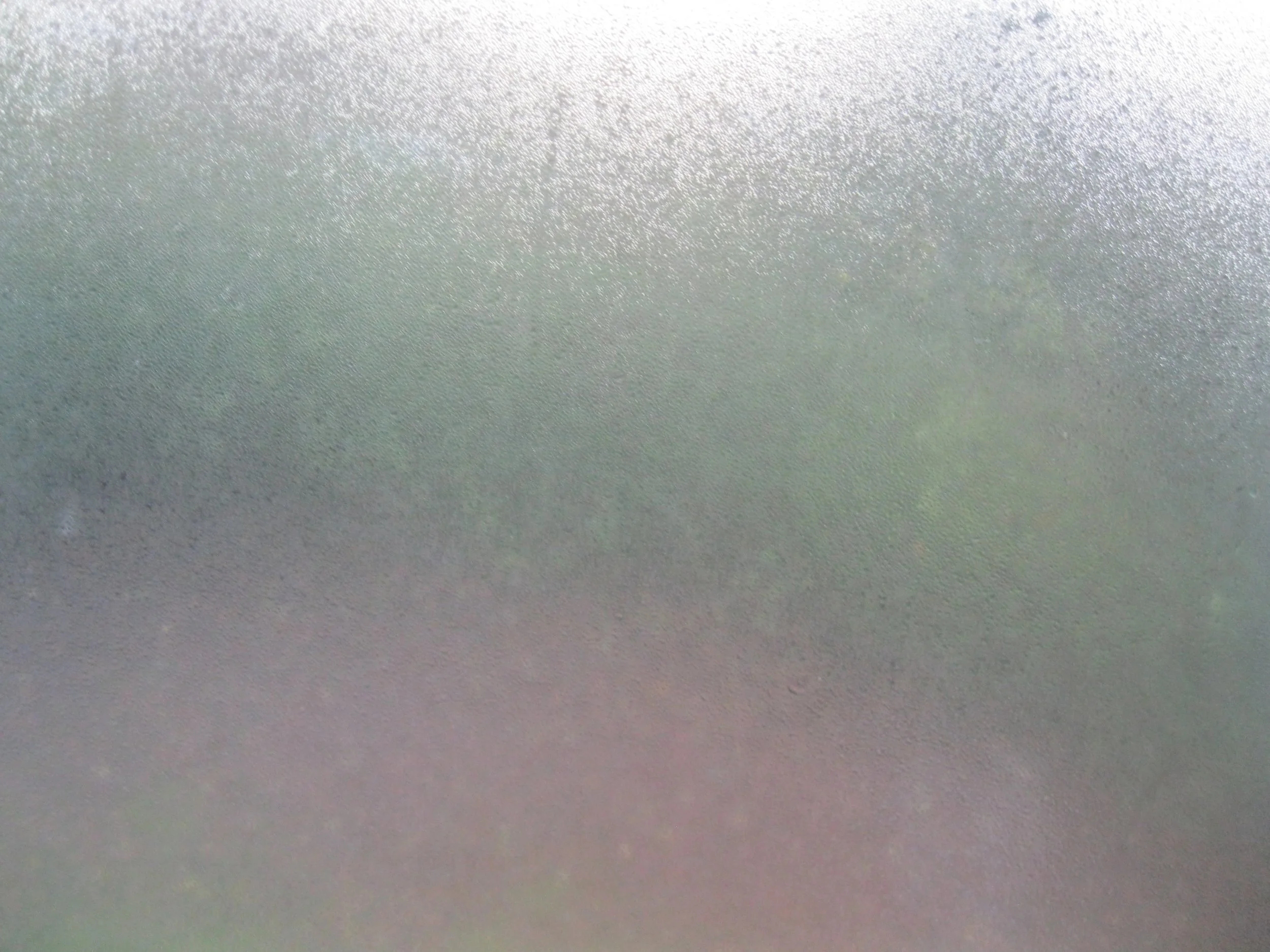
links https://linktr.ee/pdevonald Instagram: @peterdevonald
The Fables We Tell Ourselves I-V
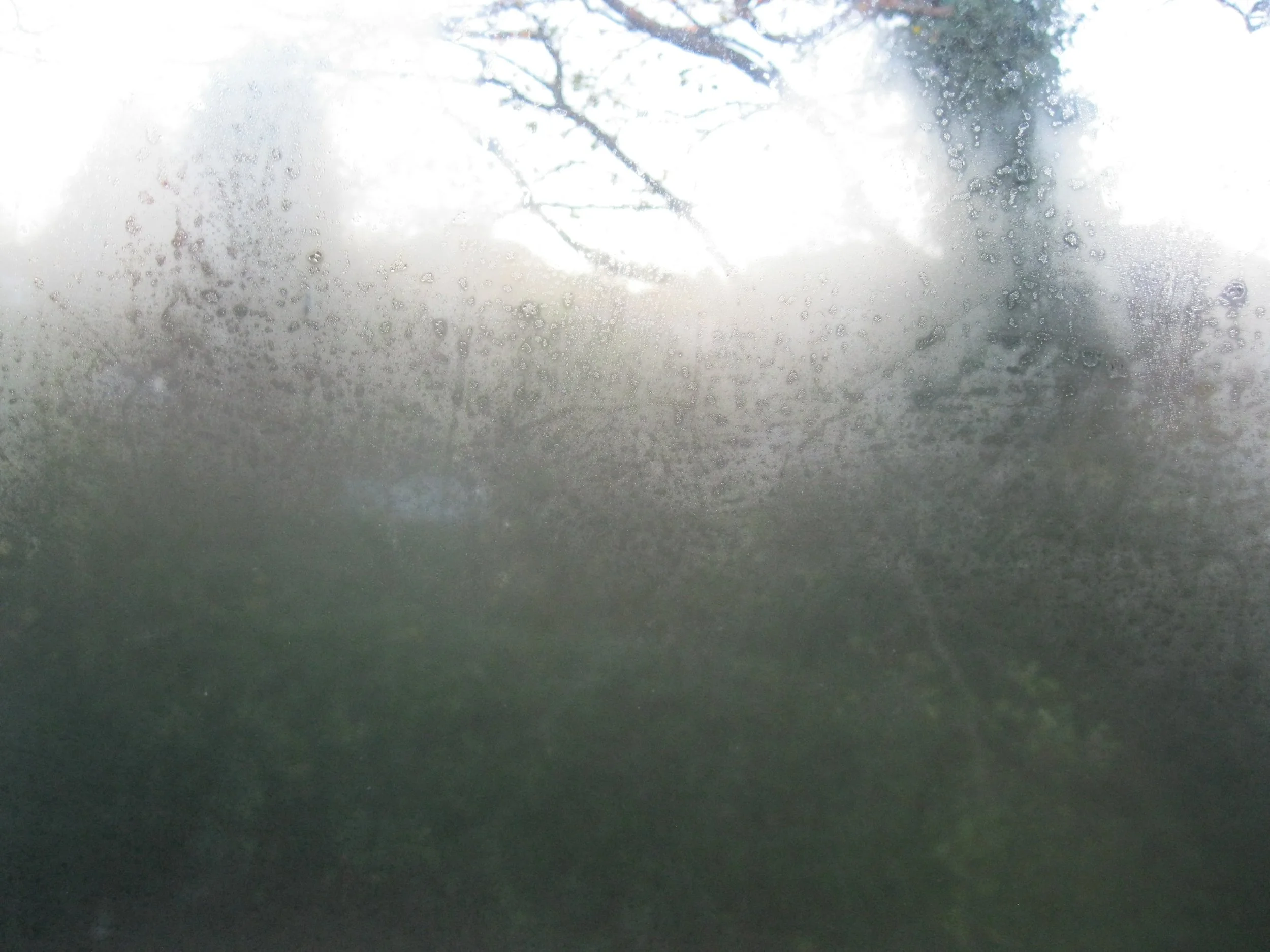
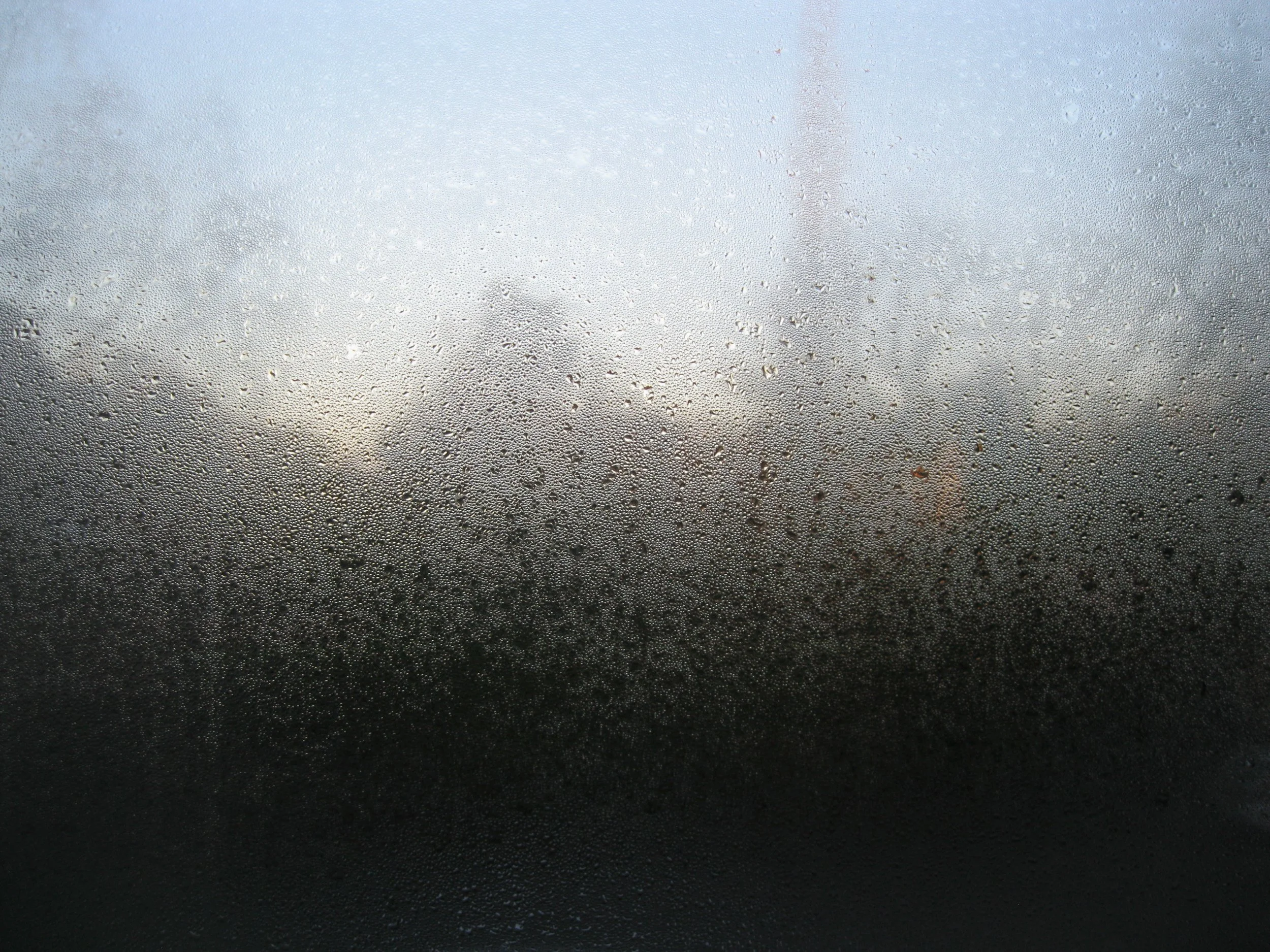
In the fog we realise how little we really understand this world,
shadows and perceptions, sculptured light and dark with excuses;
we accept whatever we think is real, without discernment, acumen
or discrimination; the everyday transforms so easily now,
a glimmering a light becomes uncanny, blurring into the impossible,
unfocussed and out of time, obscure and fading before our very eyes;
our reality is skin-deep, a moment away from collapse; we refocus,
a chance to lean into eternity, to cower in the glimmer, remember
more next time; we are here on the edge of the borders of the city,
an unknown place we've never been before, no understanding of what
we're supposed to do; so we delay, listen to the symphony of birds,
a glimpse of meaning, a delicate connection between places, transitions,
hard edges, the ghost of time leaves us as merely witnesses; wait a while
and watch as places emerge; we're home, caught in flickering sunlight
A selection of Peters recent publications can be seen here
>>>>>>>>>>>>>><<<<<<<<<<<<<<<<<<
Written by resident Arts writer Michaela Hall
Full of The Small Things
The unseen perspective is something that is a challenge for us all to crack, after all we don't know what we don't know and can't always see what others can. I take this definition in a more literal sense as seeing or noticing something you usually wouldn't pay attention to or might miss. You would think that to notice more there would need to be less happening, but my recent and first trip to Tokyo taught me that the complete opposite can be true.
Tokyo is a metropolis of overwhelming colour, busy, innovative technology, giant buildings and a fusion of the old and new. It's overwhelming in the best possible way (especially to a first timer), with so much to take in - you don't want to miss a thing. While it could often feel impossible to see EVERYTHING, this for me set a new precedent of behaviour around seeing and perspective.
Suddenly, without realising I adapted to a mode of looking at every angle - instead of just looking ahead of me while walking down a street, I was suddenly examining what was below, above, to the left, right, down every side street - you get the gist! Although it's one of the busiest cities in the world, what I observed was that people truly took time to look around them - the city encouraged this - with art on manhole covers and drains, tiny stores, restaurants and shrines down unsuspecting back alleys and a culture where destinations are stacked in huge skyscrapers - forcing you to look up.
It isn't just in the larger colourful parts of the city either, it was also present in the quieter tea gardens and natural spaces, the detail and intricacy of how such a big city can be made up of so many different environments compacted together into one huge city forces anyone to think about the bigger picture and perspective of where they are, even if subconsciously.
I noticed it wasn't the 'big ticket' tourist spots or scale of it all that stayed with me most, it was the collection of a thousand smaller things in every landscape that contributed to the massive feeling and impression of the place. I think it's a hard city to capture in an image, it's a case of trying to capture the feeling and perspective of a place full of thousands of small things rather than a place full of big things. This is a perspective that is new to me, to such an extent it was here, one I hope my photographs can even capture a tiny amount of.
>>>>>>>>>>>>>>><<<<<<<<<<<<<<<<<<<
Artist- Evie Torkington
Social media accounts - Instagram: @artbyeviet
I Sought An Oasis
Description
Evie Torkington is a mixed media artist concerned with the interplay between domestic and psychological space. 'I sought an Oasis' emulates a sense of the uncanny by capturing disjointed spaces and unusual perspectives, exploring the significance of interior space as a means of psychic confinement. Torkington's work captures and assimilates the ways in which we find and form our own space and sanctuary, through the body and surroundings, and how this is altered as we move through differing external spaces. Each time we are prompted to recount, envision, or depict a memory or impression of a place, it materialises slightly differently: having been degraded by the passage of time, or intensified by an external stimulus that transports the mind into the subconscious setting. Employing tools of repetition and fragmentation, the content of the work aims to offset the familiar with the unsettling, encroaching on the darker, subversive nature of the subconscious.
Yesterday’s Winds.
There was a sweetness in the air, but not sickly. Slight, fresh, like new pollen. The Springtime sun was mellow but aglow, flittering through familiar concrete structures and the frail branches of naked trees. The people looked content, smoking, laughing, walking a little slower than back home. The chatter, whilst indistinct, is lighter, a sweet chorus with no undertone of angst or disenchantment. There’s no rush, Spring is new. Fresh blooms dapple the patches of grass with colourful pointillism. I know you, I think. What’s left of the winter winds softly exhale and carry the scent of those blooms to and from my nostrils. I feel like taking a deep breath, but I don’t need to, I’ve already softened, ready to resume my place is this red brick sanctuary. No one is taking themselves as seriously, I observe, almost recalling the nervousness I feel back home, but I don’t open the door to that right now. This contentment is fleeting if not savoured, so I plant my feet in my polyester socks and feel the abnormal heat in my shoes, and let all the sensations of a spring day from times gone by engulf me as I stand, waiting for yesterday’s winds to deliver an old friend.
A Bid to a Mother
When you left I nailed
my shoes to the floor
Only to end up
in dirty socks once more
Don’t leave like before
I’ll have to lay myself out
on the kitchen table
And wallow in doubt
How about you stay
Pull me back down to earth
By my ankles or arms
And grant me rebirth
If you stay I’ll stay
I won’t go wandering through
The landmines of my mind
I won’t drag you too
You’ll leave me clueless
My compass is embedded
in the folds of your mind
In the layers you’re shedding
I tried to stay well
But the fruit in my mind
Is bitter and plastic
With an ungodly shine
If you stay I’ll make all promises
Directly to you
I’ll look up I’ll look down
I’ll follow your cue
So maybe this time
When your feet start to freeze
And your bones start to long
For a warm foreign breeze
You’ll look back down at earth
And see me right there
Diligent like a dog
And ready to share
My bones and my flesh
And all that I own
With the one who won’t stay
Until I leave them alone
>>>>>>>>>>>>>><<<<<<<<<<<<<<<<<
Artist -
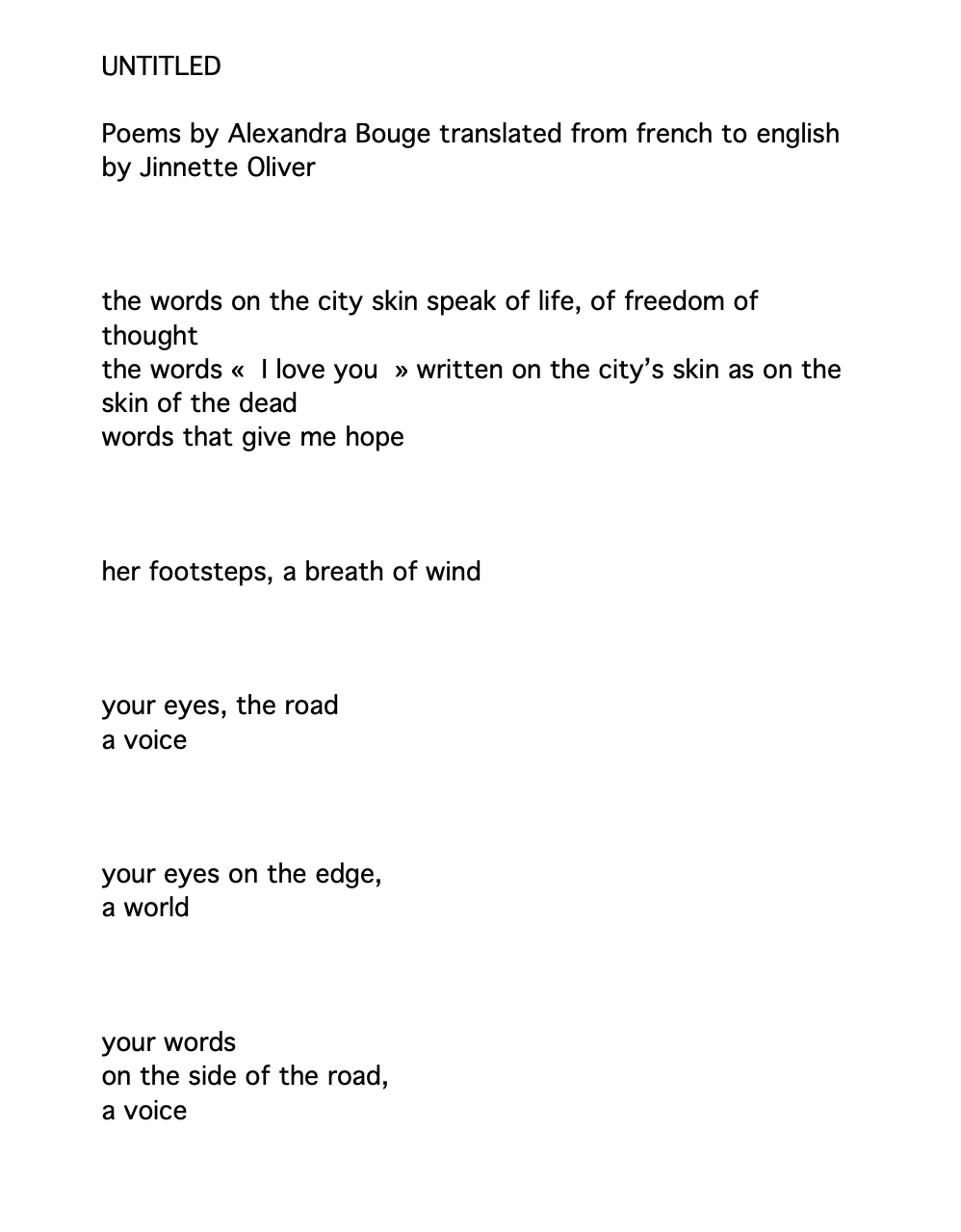
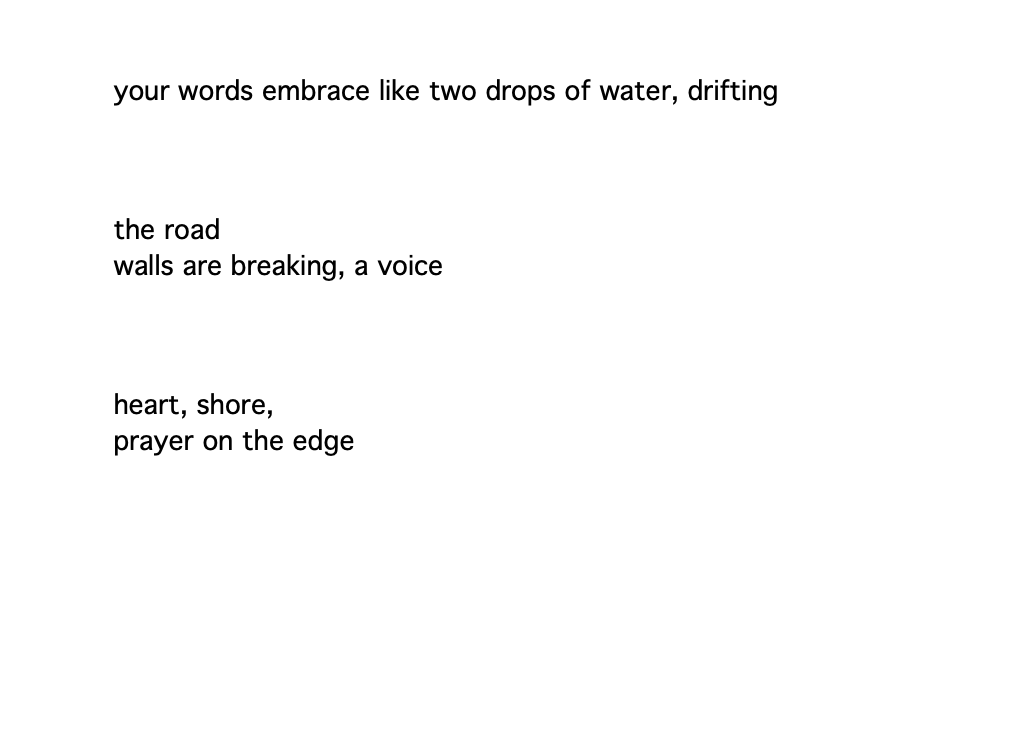
Bouge Alexandra
Social media - https://www.instagram.com/bougealexandra/
Description
These texts show a slanted view,
an existence that emerges from the outside,
from the border.
>>>>>>>>>>>>>>>><<<<<<<<<<<<<<<<
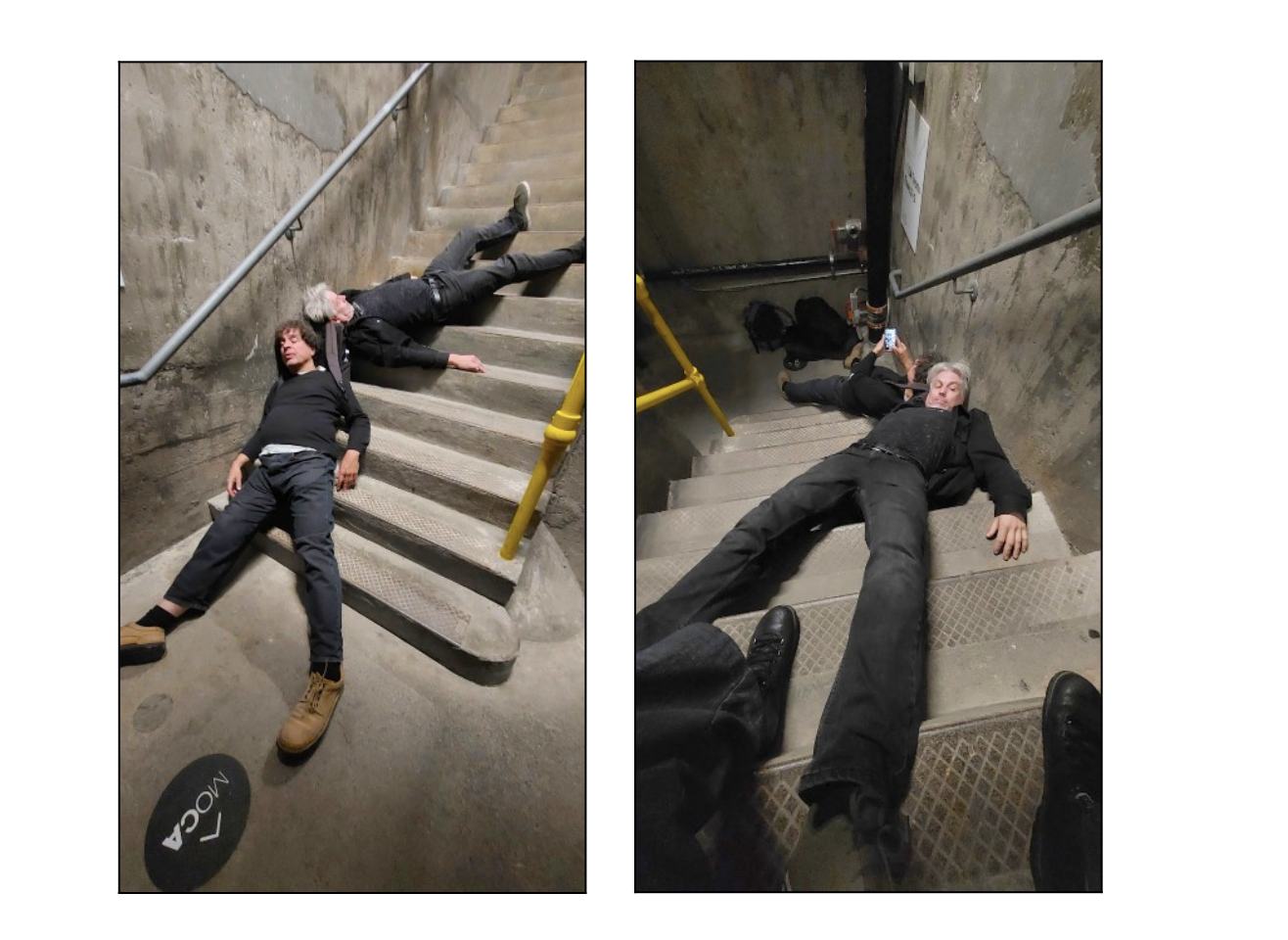
Artists -Topp & Dubio
Website- www.topp-dubio.nl
Social media - @toppdubio
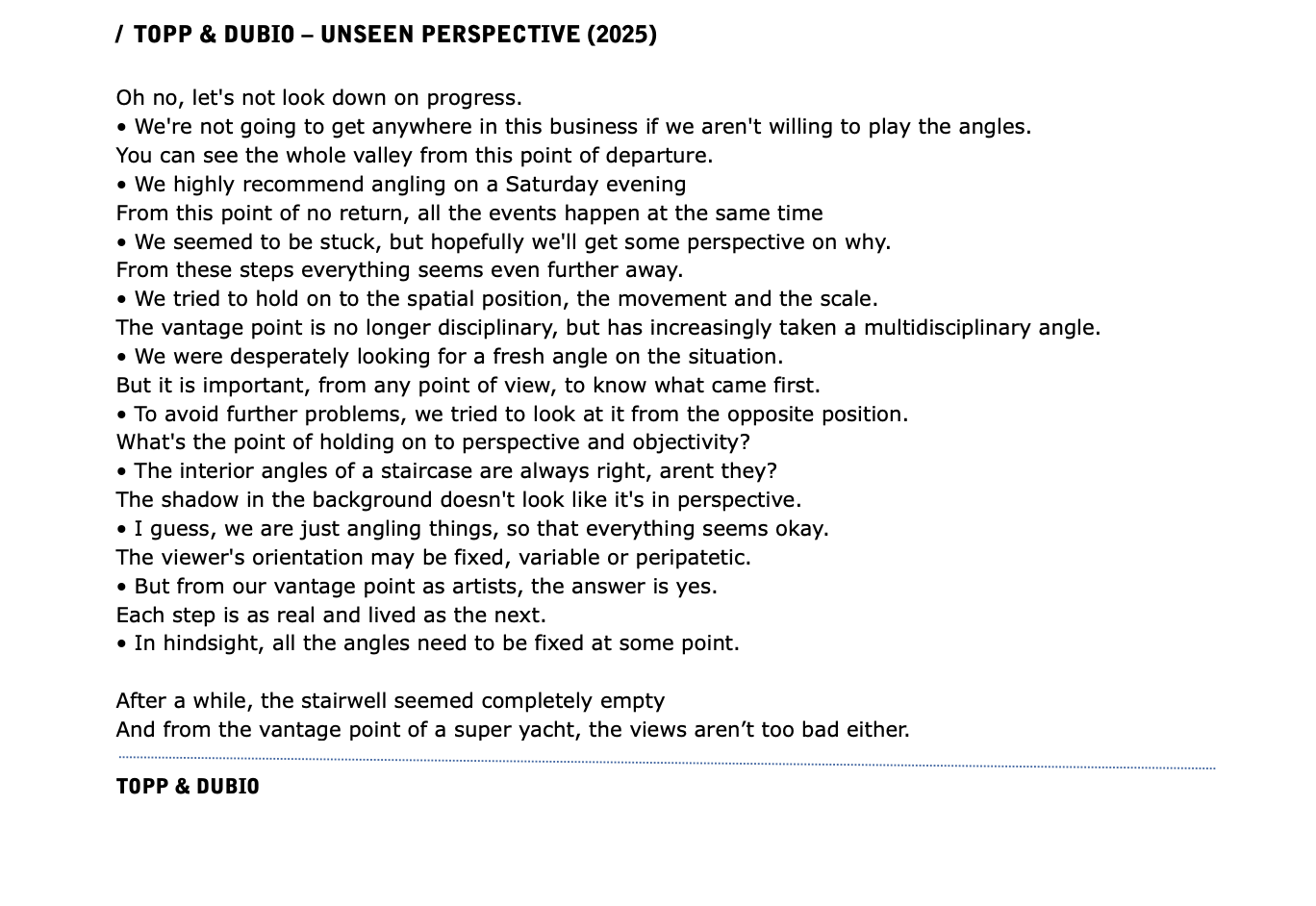
Title -Unseen Perspective (2025)
Description
The work is a combination of two photographs and a text that reads like a dialogue or a conversation on two levels.

>>>>>>>>>>>>>><<<<<<<<<<<<<<<<
Artist-Xiaoping Yu
Web- www.xiaooart.com
SM- @xiaooart
Title
Grey Dream
Description
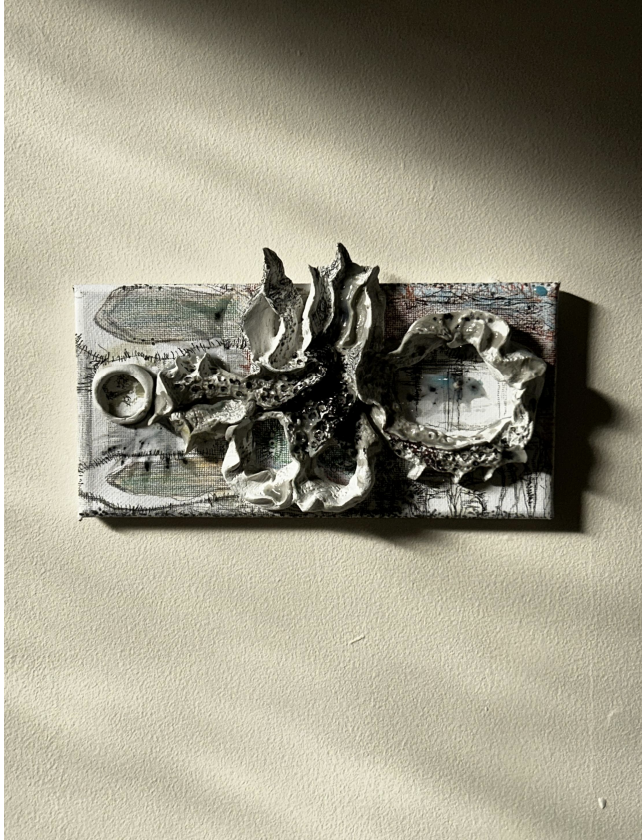
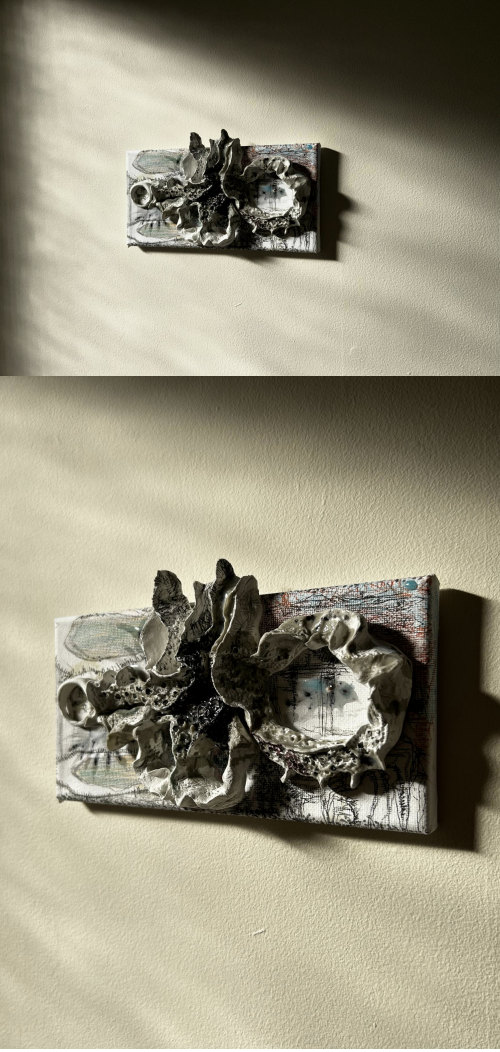
Grey Dream is a recurring vision that appears in my sleep: a woman lying motionless on a staircase, dressed in black leather shoes, with only a pale grey ankle visible. The scene is quiet, unresolved, and disturbingly plausible. It is not surreal, but suspended in a space between life and abstraction.
The work explores this state of ambiguity, the “grey” zone where memory, fear, and unconscious imagery merge. “Grey” becomes more than a colour; it signifies a condition of uncertainty, of hovering between visibility and disappearance.
Through the pairing of text and a small clay sculpture, Grey Dream materialises what usually remains hidden behind closed eyes. It gives form to an inner image that refuses to dissolve, offering a tactile entry point into a dream that lingers, repeats, and insists on being remembered.
With a small clay work about the dream
……………..Grey Dream………………………..
“She was lying on the stairs, in black leather shoes.
Her body covered, only a pale grey ankle left exposed.”
This is a dream that returns again and again.
Silent. Unresolved.
A body lies still.
Grey, muted, detached from life or clarity.
The dream is not surreal,
it is disturbingly plausible.
“Grey” here is not merely a color,
but a condition of ambiguity,
of suspension between visibility and erasure.
Grey Dream emerges from this state.
What remains hidden behind closed eyes
or broken systems
often returns in dreams.
“Grey Dream” is one of them.
And it refuses to fade.
>>>>>>>>>>>>>>><<<<<<<<<<<<<<