

CaplinTec:
Eco Paint That Actually Delivers
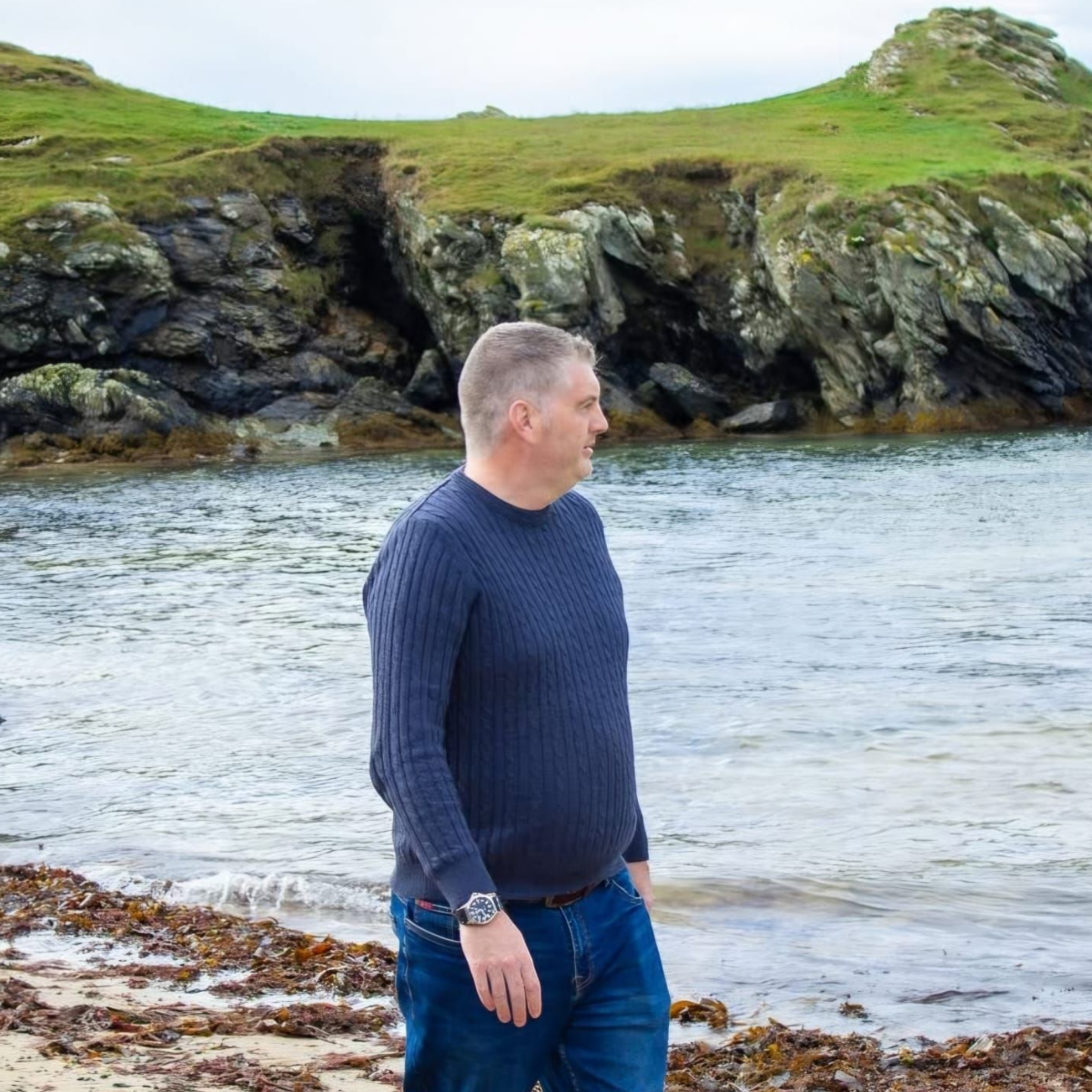
It began, as many discoveries do, with an Instagram scroll. I was searching for genuinely eco-friendly paint, sceptical, as ever, of the claims that seem to accompany many art supply brand these days, when CaplinTec caught my attention.
The word eco is everywhere in the art materials world right now, and rarely does it survive close scrutiny. So I got in touch with Kevin directly, curious to find out whether the reality matched the messaging.
It does in every way. What struck me first was the transparency. Without hesitation, Kevin provided a full breakdown of their ingredients, no deflection, no vague reassurances. In an industry where formulations are routinely guarded or obscured behind feel-good labelling, that kind of openness is telling. It suggests a brand that has nothing to hide, because it genuinely hasn't.
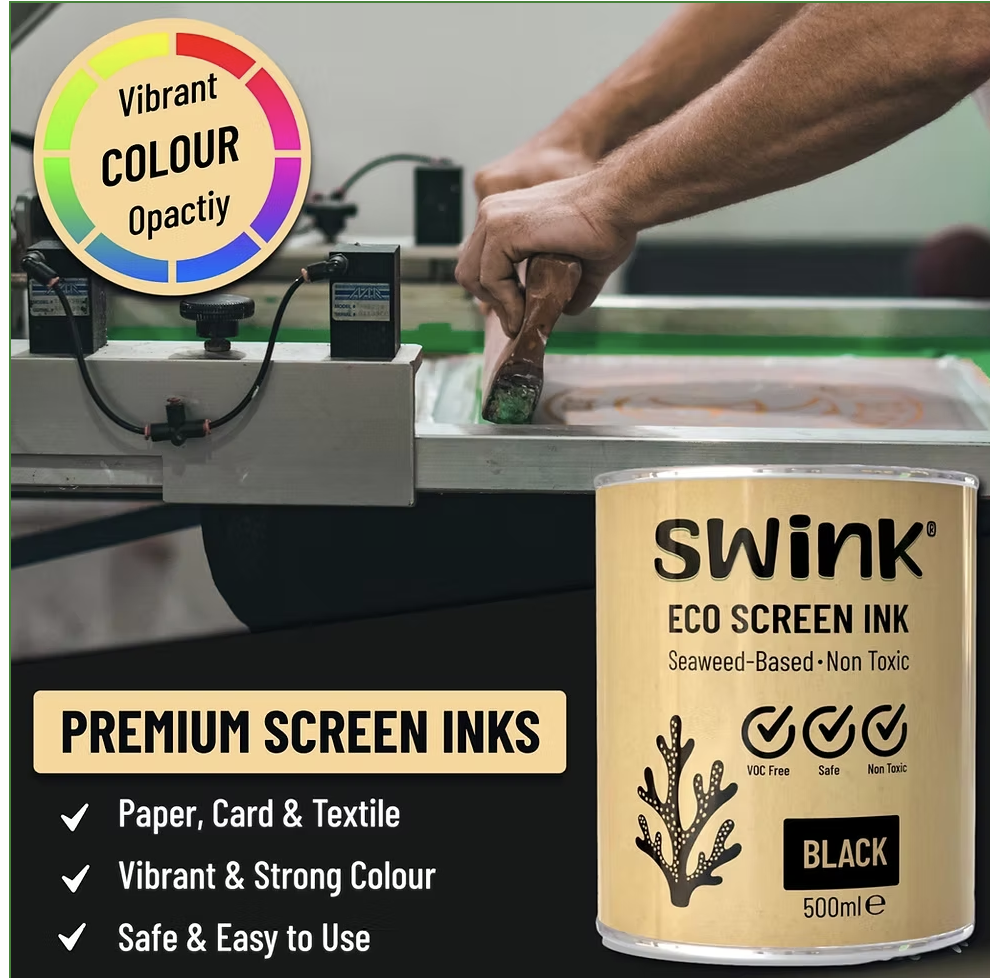
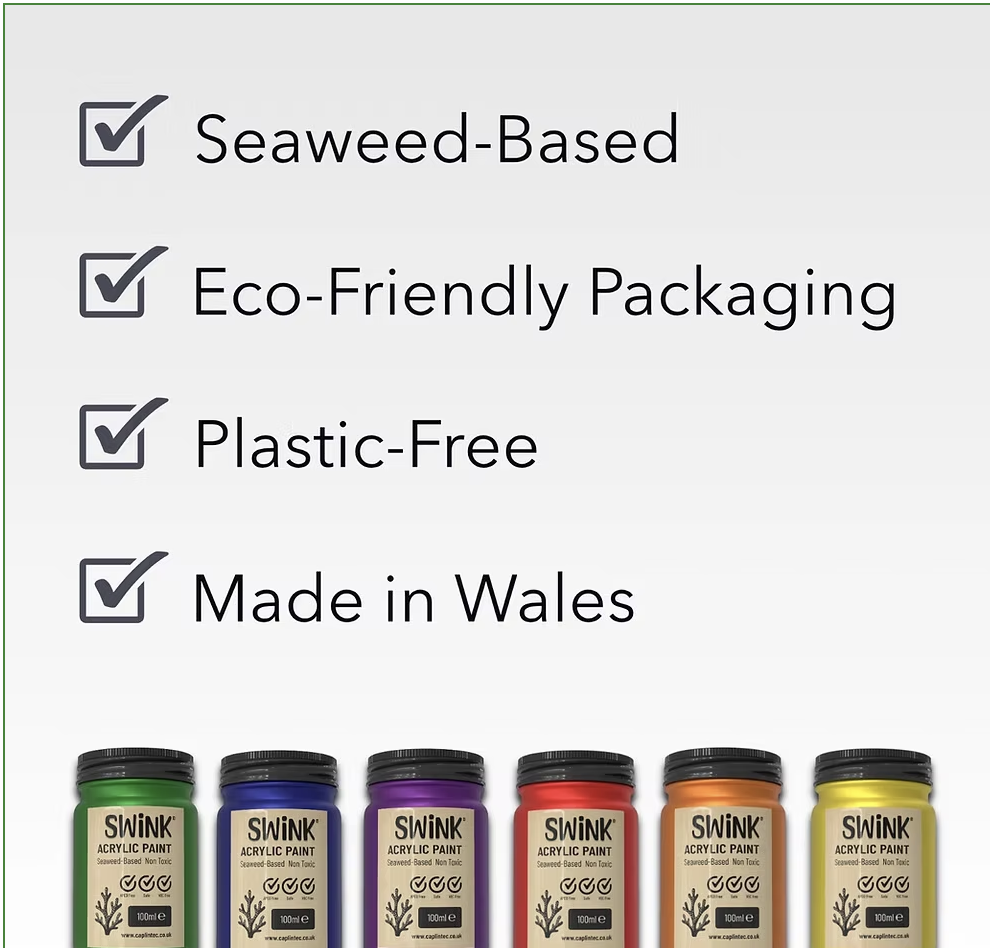
CaplinTec's acrylic paints are legitimately eco-conscious, and crucially, they don't ask you to sacrifice quality for principle. The pigment load is impressive, rich, consistent coverage that holds its own against conventional acrylics. For anyone who has waded through pale, underperforming "natural" paints in search of something that actually works on the surface, this matters.
What has proved equally compelling are the pure pigments. Mixed with pine resin, they produce something with genuine warmth and luminosity. Dried and powdered, they become a soft pastel. Pressed and set, they can be formed into a portable dry palette — compact, personal, and entirely your own making.
There is something quietly radical about a material that performs beautifully and sits lightly on the world. CaplinTec appears to have found that balance, and for those of us who care about both the work and the wider cost of making it, that is no small thing.
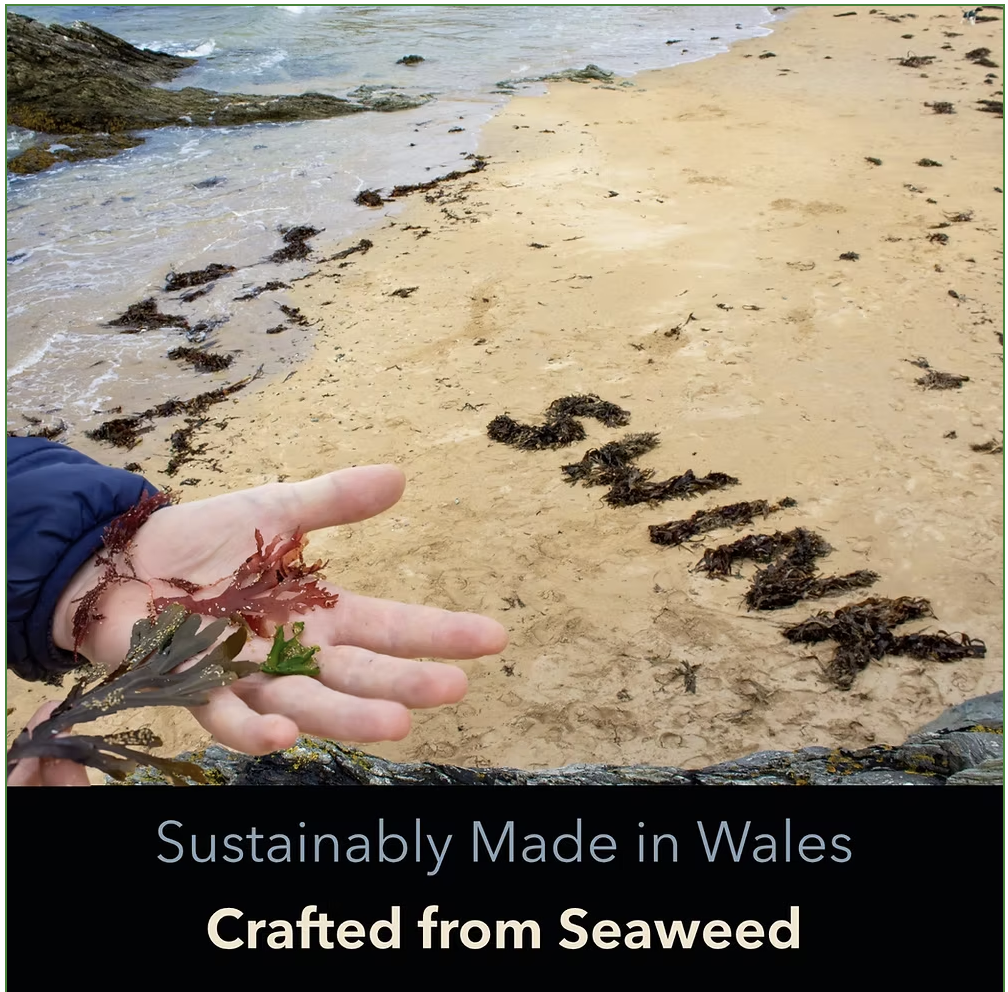
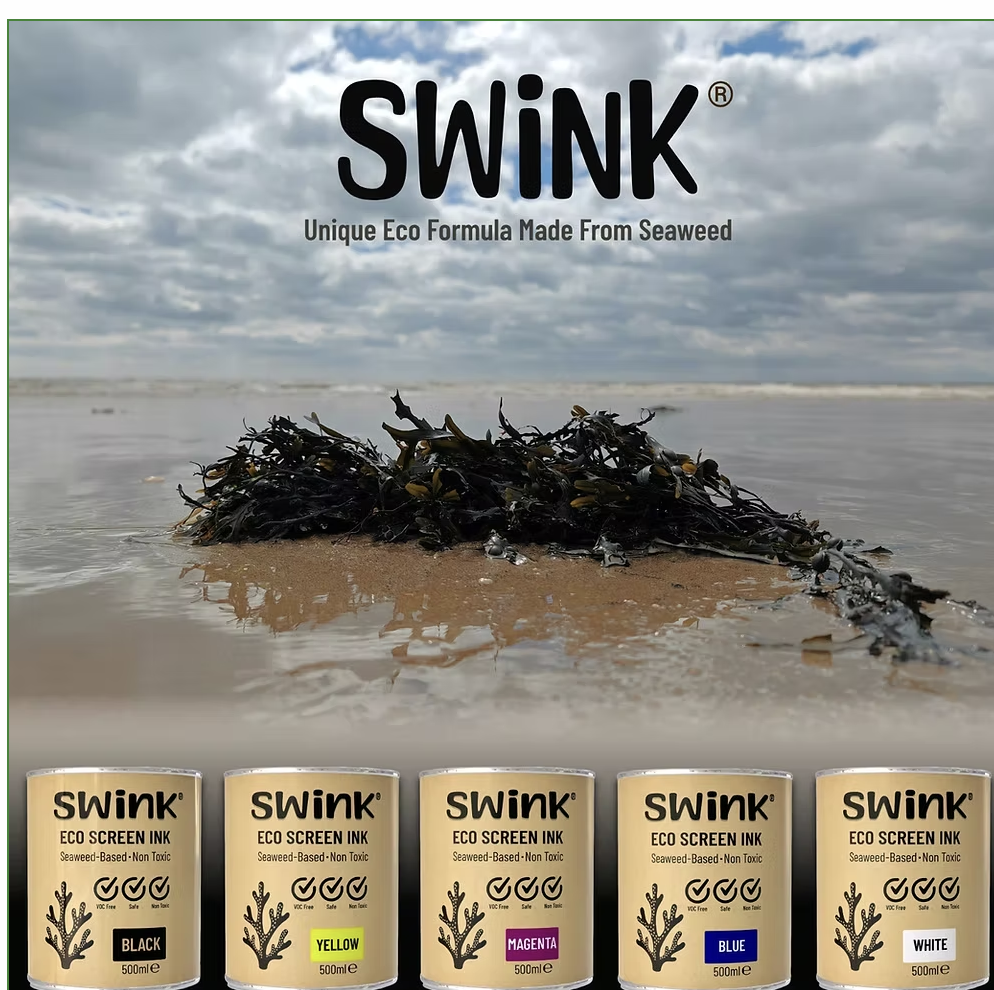
Because these paints are made from Seaweed I asked Kevin to be a featured creative for this months zine as we are covering foraging as an art practice and how its used in the studio. Here you will find his answers to our Q&A formula of five questions, and if you fance trying these out for yourself then do head over to
Website – www.caplintec.co.uk
1 - Could you explain how you got to where you are now?
Originally, I completed my education and, after a few short-term jobs, began working in a laboratory as little more than a glorified pot washer. I loved it. I was fortunate to have an excellent employer, to whom I owe a great deal (even if I didn’t fully appreciate it at the time). He gave me the freedom to be creative within my role and the opportunity to work on the development of many new and novel materials.
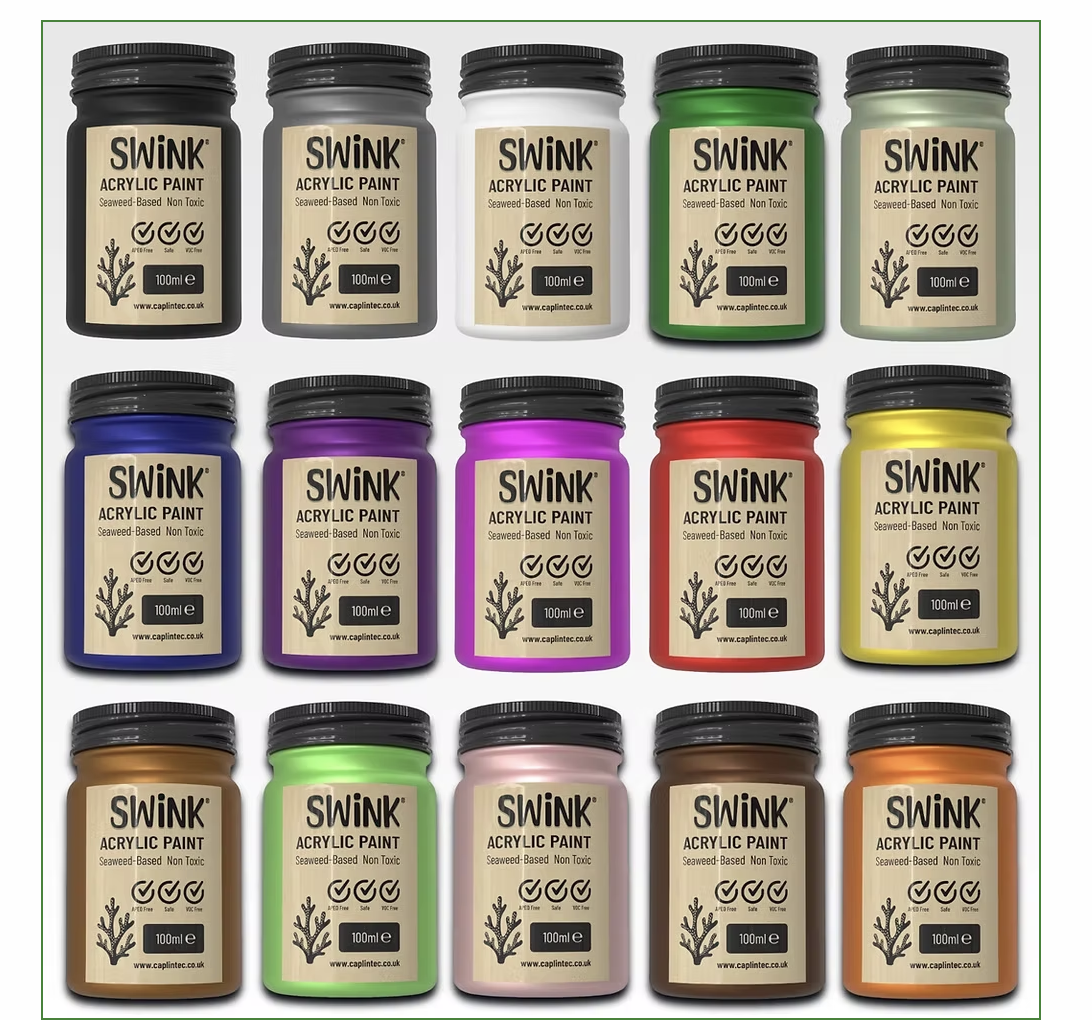
I became involved in the development and production of inks and coatings across a wide range of industrial applications. This included everything from heat-mapping materials for jet engines, to anti-counterfeiting materials used in modern currencies, as well as research and design work on novel materials for use in inks. However, much of this work relied on chemicals that were harmful to the environment, including heavy metals and strong solvents. Over time, it became clear to me that these materials were not only damaging the environment but were also taking a toll on my own health. That realisation prompted me to try to put things right.
For many years I had been developing products that used natural materials, but their higher cost and the industry perception that they were less effective often prevented wider adoption. Eventually, I realised that the only way to overcome these barriers was to control the entire process, from initial concept through to manufacture of a finished product. So I set up my own business. My first product was an anti-corrosive coating made from sheep’s wool—a product I still love. It is now being used in a wide range of applications, preserving metal structures across the country in a natural and sustainable way.
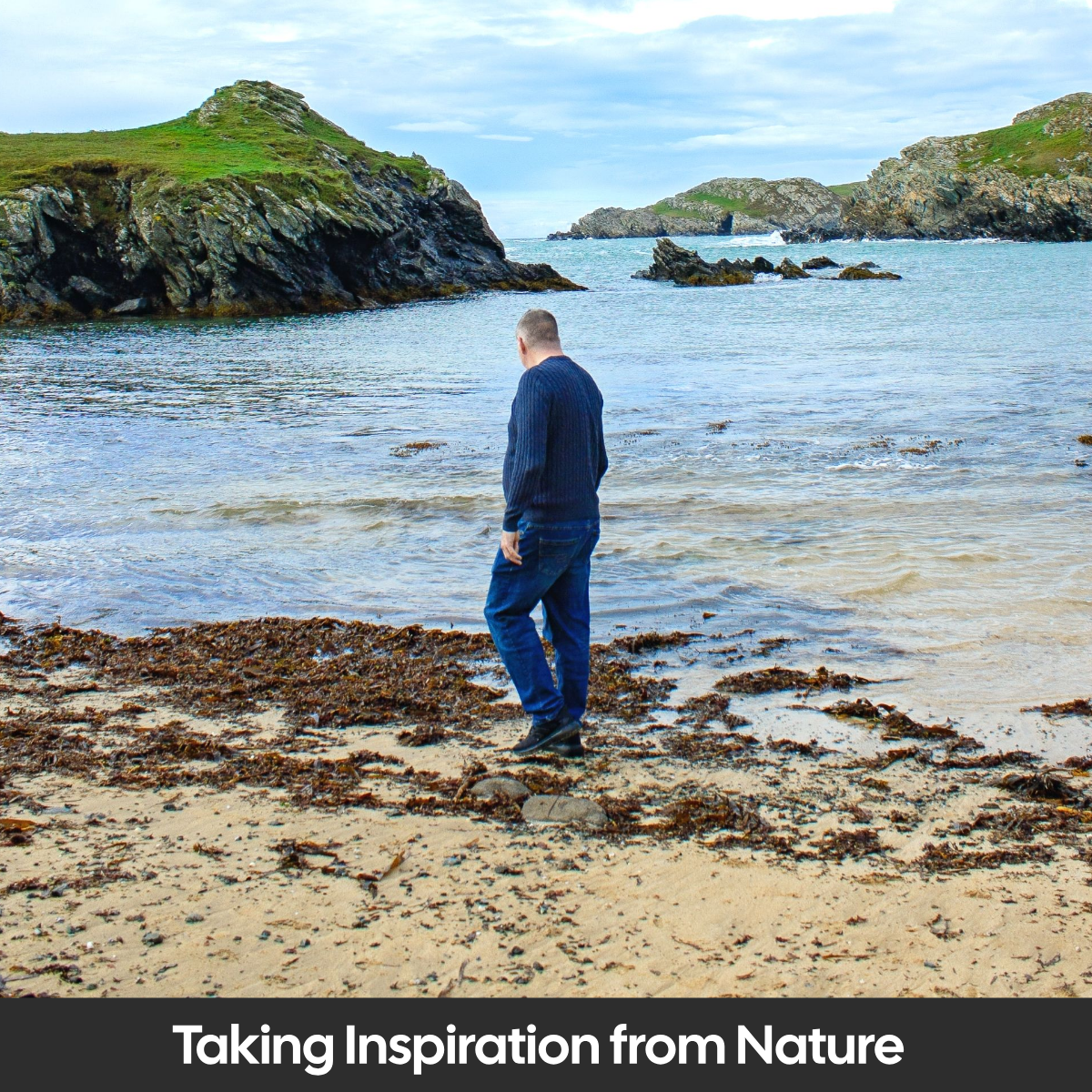
2 – In your opinion are the creative industries relevant today? Please explain your reasons.
Yes, they are very relevant. It is creative minds that will develop the concepts we need to improve and protect the environment. The creative industries foster original thinking and ideas that challenge established norms, allowing solutions to emerge that may not fit within traditional or conventional frameworks. Too often, those frameworks are controlled by large multinational corporations that absorb and control emerging ideas, judging their value primarily on profitability and brand image rather than on their genuine benefit to the environment.
3 – Who or what have been your biggest influences as you have progressed through your career.
Some of my biggest influences have come from studying individuals and developments that predate the use of petroleum and the widespread consumption of fossil fuels. For thousands of years, people created remarkable materials without relying on these resources, which raises an important question: how did they do it?
Figures such as Gutenberg are a great example. Working with little more than linseed oil and soot from a fire, he developed printing inks that changed the world. The Romans also deserve recognition for their ingenuity, particularly in their use of natural materials to preserve the durability of structures and boats in challenging marine environments.
Alongside these historical influences, I am also inspired by individuals today who are willing to see the bigger picture—people who are not solely focused on profit margins or recognition within large industries, but who remain true to their principles and genuinely want to make a positive difference.
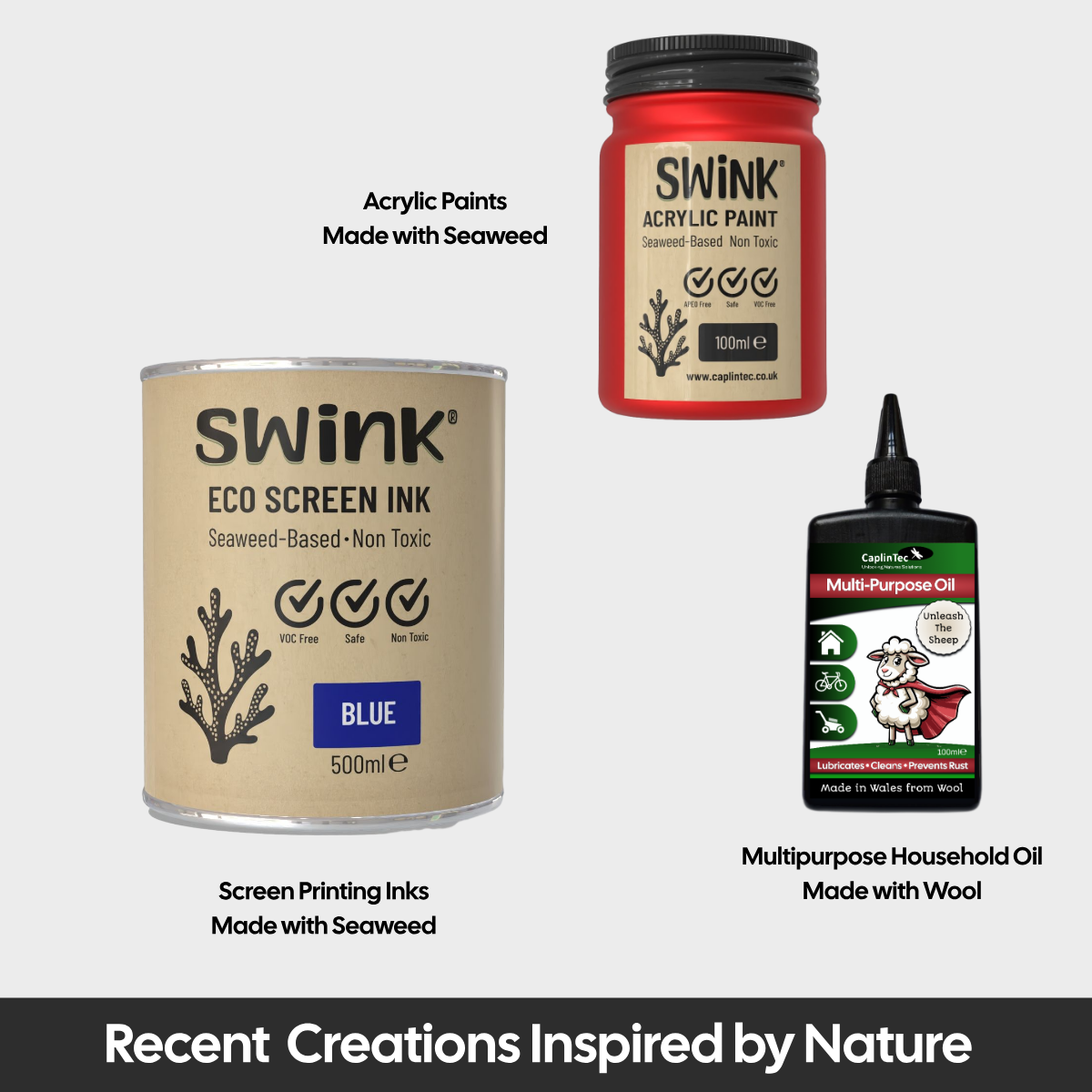

4- If you could go back 10-20 years, what would you tell your younger self?
I would tell myself to slow down and enjoy the journey. Life has been described as a mist that appears for a short while and then disappears, yet we are often so focused on time and progress that we end up wishing large parts of our lives away to achieve things that, in the wider scheme, do not truly matter. I would also remind myself not to wait 20 years before committing to change and actively promoting more environmentally focused products.
5 – If you could go forward 10-20 years, what do you hope to have done or achieved?
In my mind’s eye, I see myself on a smallholding in the countryside, blissfully beyond mobile phone reception. In reality, I hope to have encouraged others to look more closely at natural materials and the systems that already function so effectively in the environment around us. Rather than working against these systems, we should be learning from and working with them. I am not concerned with creating market-leading products or brands; if I can help people think differently and re-evaluate what is happening to the planet we live on, that would be a truly meaningful achievement.
Website – www.caplintec.co.uk
Socials @caplintec (facebook and Instagram)
Email: info@caplintec.co.uk
Here I am using the pigment, Its not the best video clip, as holding the camera while mixing, but it gives you the idea of just how much pigment are in these.
here I am sampling white pure pigment, mixing it with foraged pine resin, paint from from CaplinTec eco paints