
Studio as Habitat: Foraging, Womanhood, and Botanical Knowledge in My Art Practice
In previous issue I have talked about how my practice has evolved from traditional methods. This issue I am talking about how nature and art or so intrinsically connected, that my studio has become habitat.

My artistic practice grows from a desire to renegotiate my relationship with the natural world. Through foraging, plant-based materials, and ecological processes, I explore how art can become a way of reconnecting with forms of knowledge that have historically existed outside formal institutions. These include herbal traditions, domestic craft practices, seasonal gathering, and embodied ways of learning through the landscape.
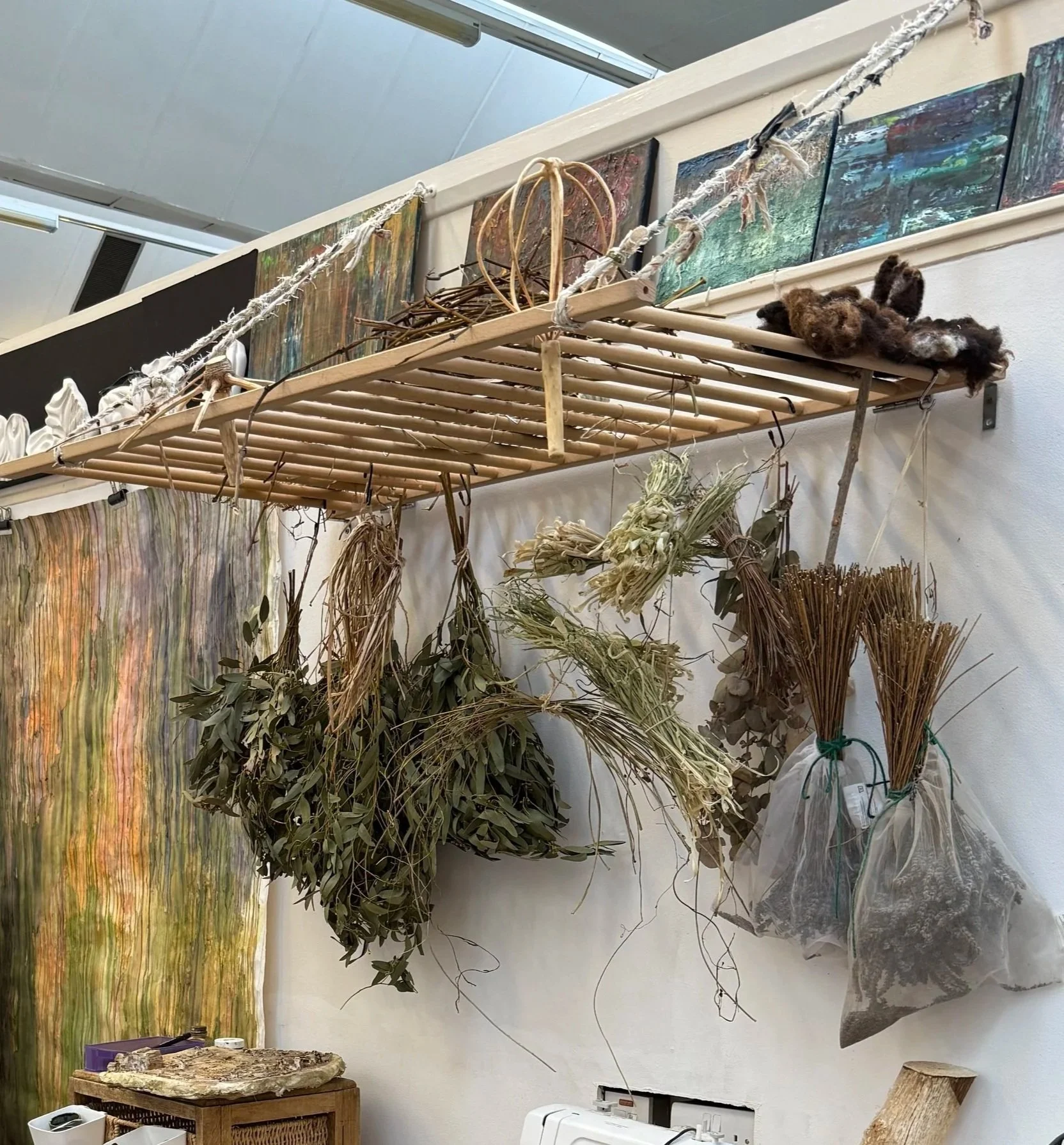
At the centre of my practice is a reconsideration of what a studio can be. Rather than existing only as an enclosed room where objects are produced, my studio expands outward into forests, hedgerows, coastlines, and fields. In this sense, the studio becomes a habitat, a living environment where walking, gathering, observing seasonal shifts, and experimenting with organic materials are all integral parts of making.
Foraging is therefore not simply a way of collecting materials for artworks; it is a methodology that shapes the rhythm of my practice. It determines when and how work begins, how materials are encountered, and how knowledge slowly accumulates through repeated experiences with place.



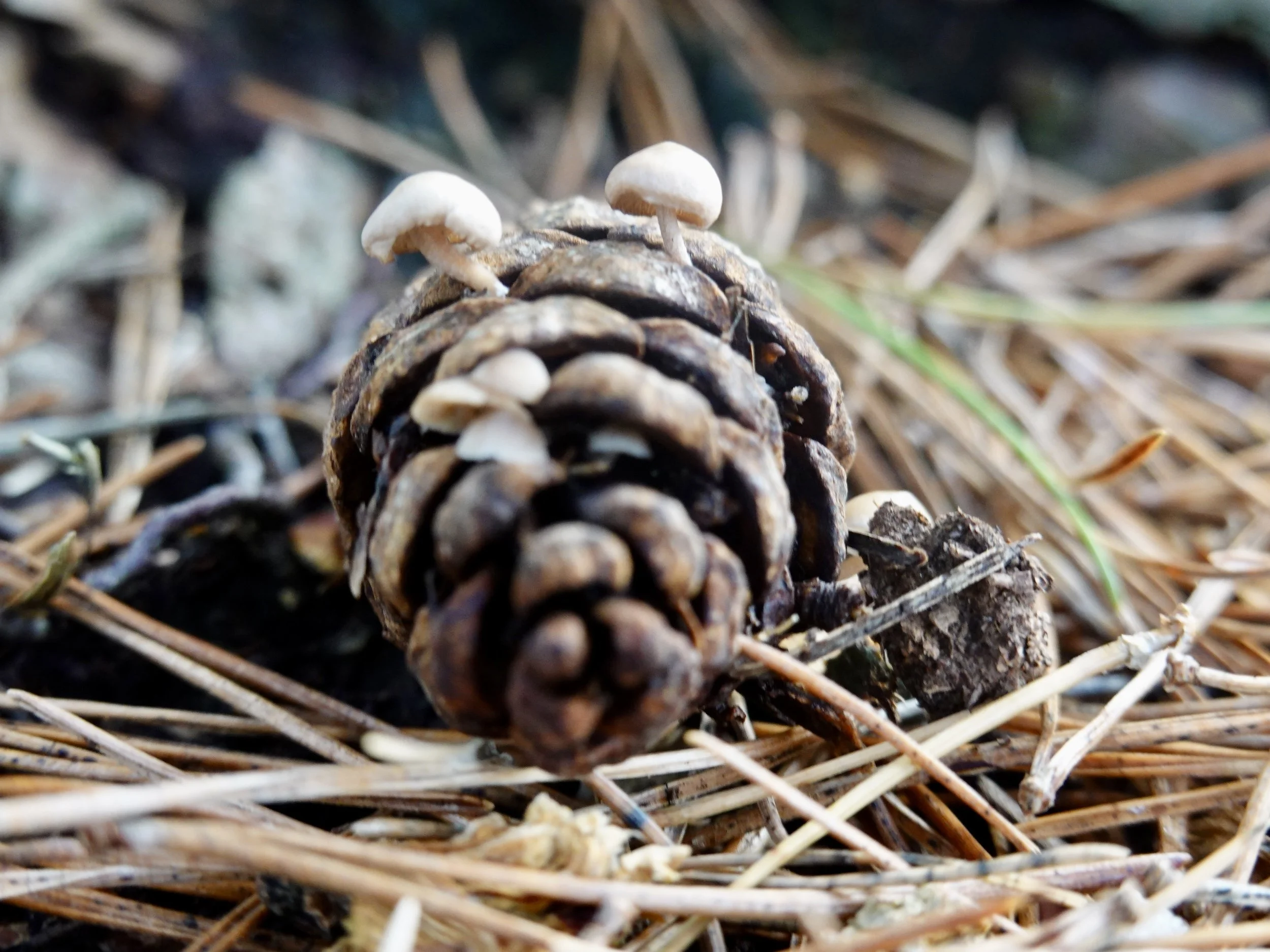
Foraging as Embodied Knowledge
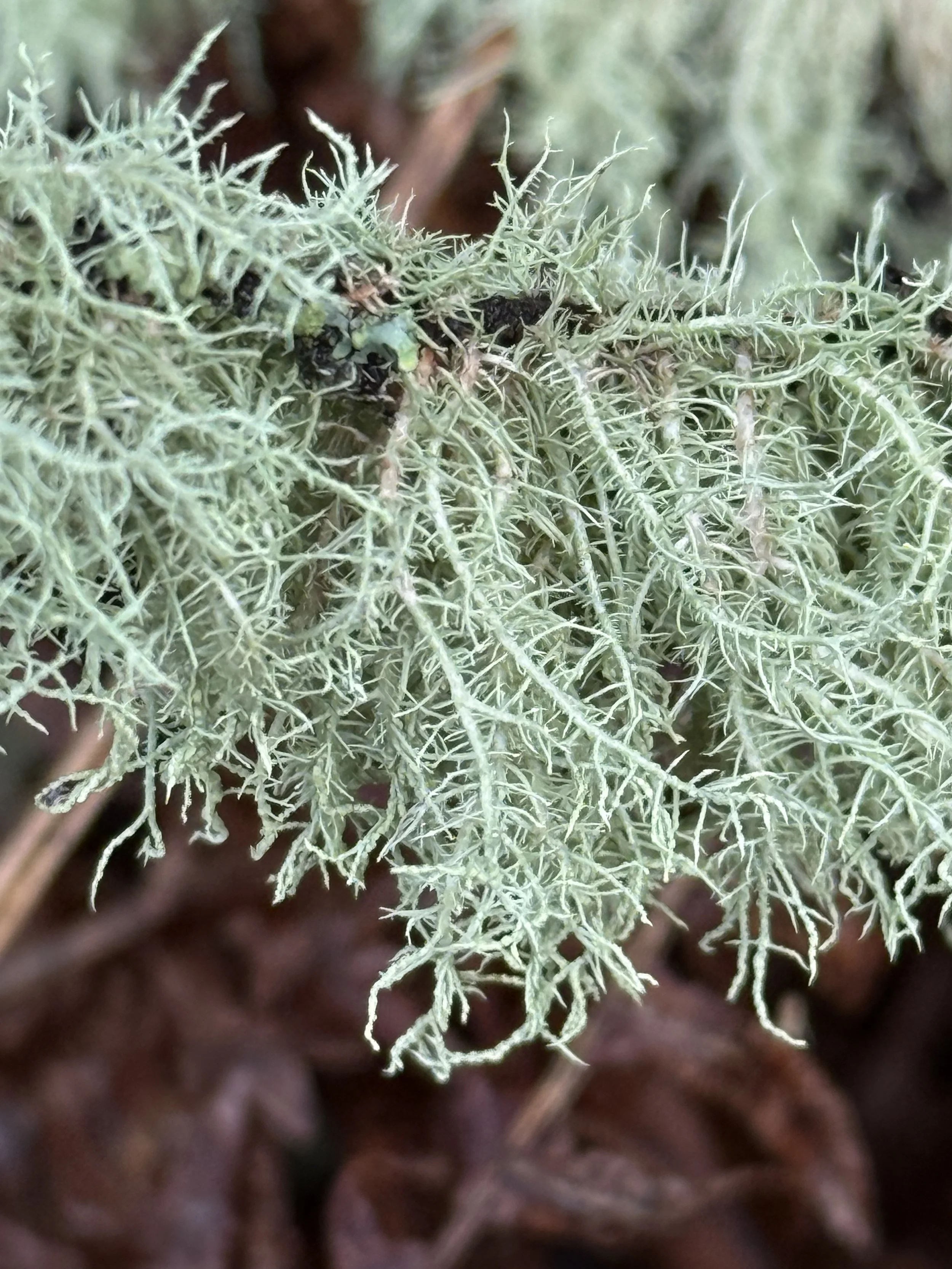
When I forage, I move through the landscape differently. I pay closer attention. I notice subtle shifts in colour, texture, and smell. I learn to read the ground, the light, and the relationships between plants, fungi, soil, and weather.
This kind of knowledge is not abstract or theoretical, it is embodied. It is learned by walking, touching, tasting, and observing over time.
For much of human history, this knowledge was part of everyday life. People gathered berries, mushrooms, herbs, and roots not as a hobby, but as a necessary way of living. These practices shaped food, medicine, and cultural traditions long before industrial agriculture and modern pharmaceutical systems existed.
Today, much of this knowledge has been forgotten or pushed to the margins. Supermarkets have replaced gathering practices, and medical knowledge has become institutionalised. As a result, many people experience nature primarily as scenery rather than as something we actively participate in.
Foraging within my artistic practice becomes a form of relearning, a way of rebuilding relationships with plants and landscapes.
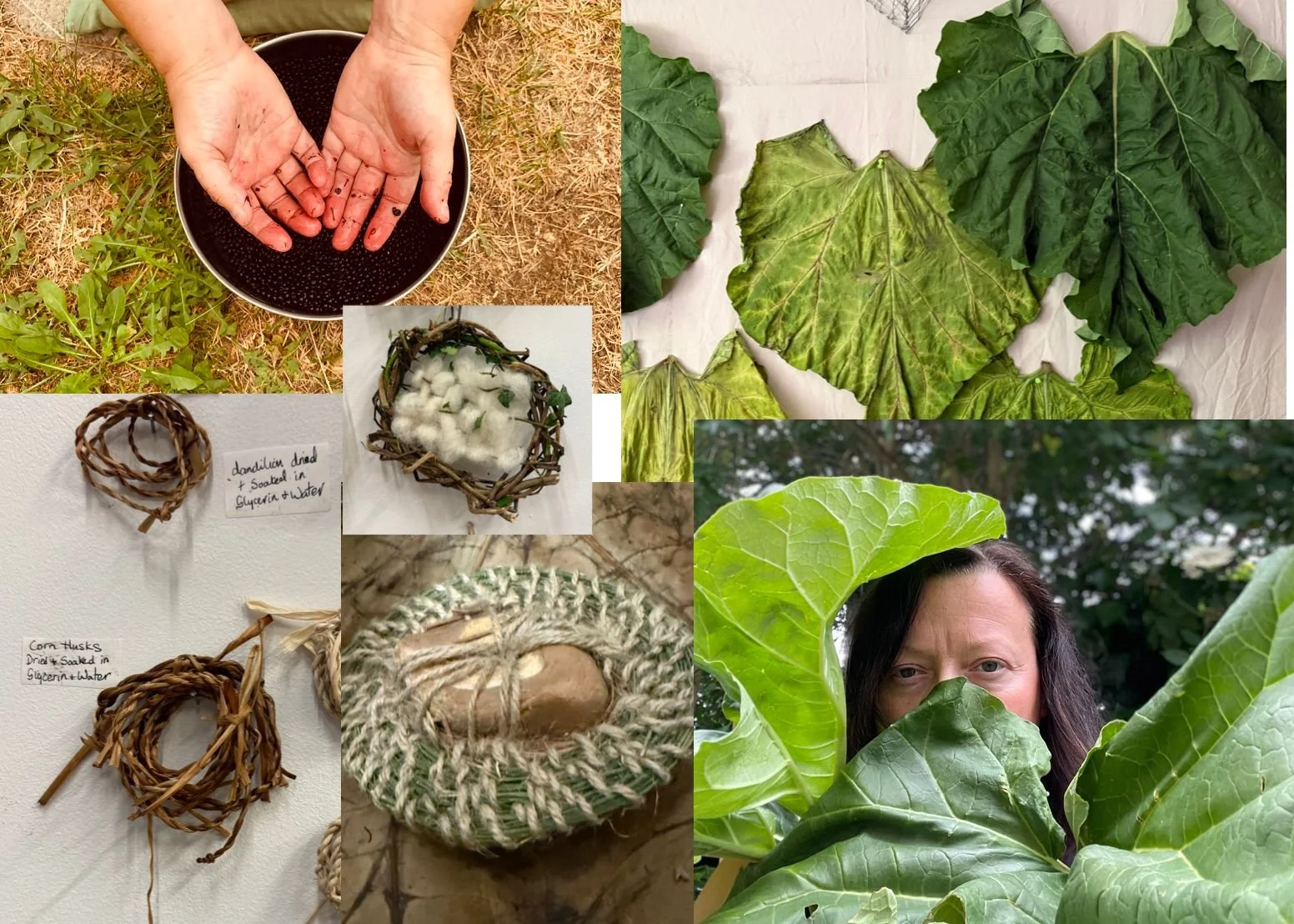
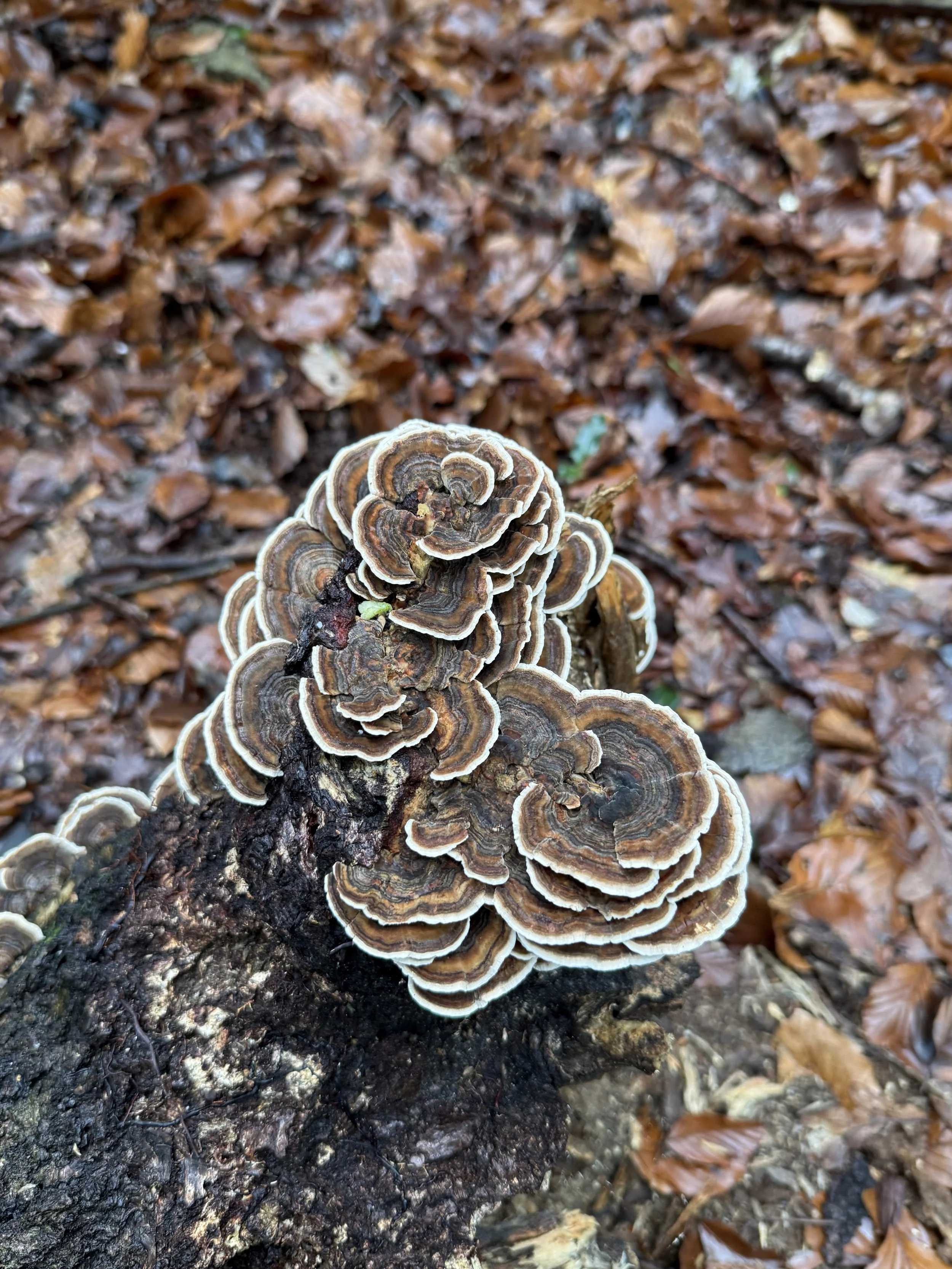
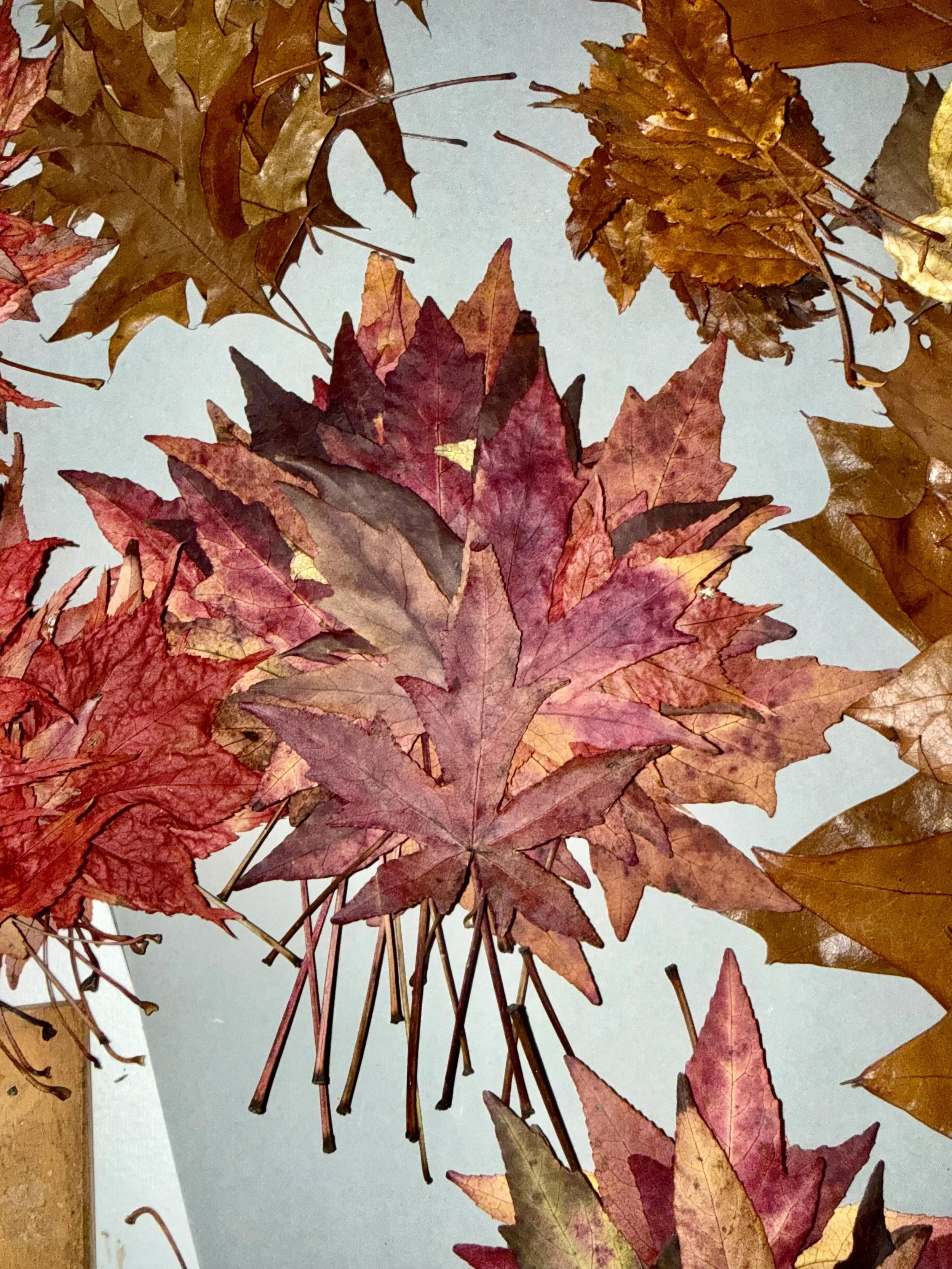
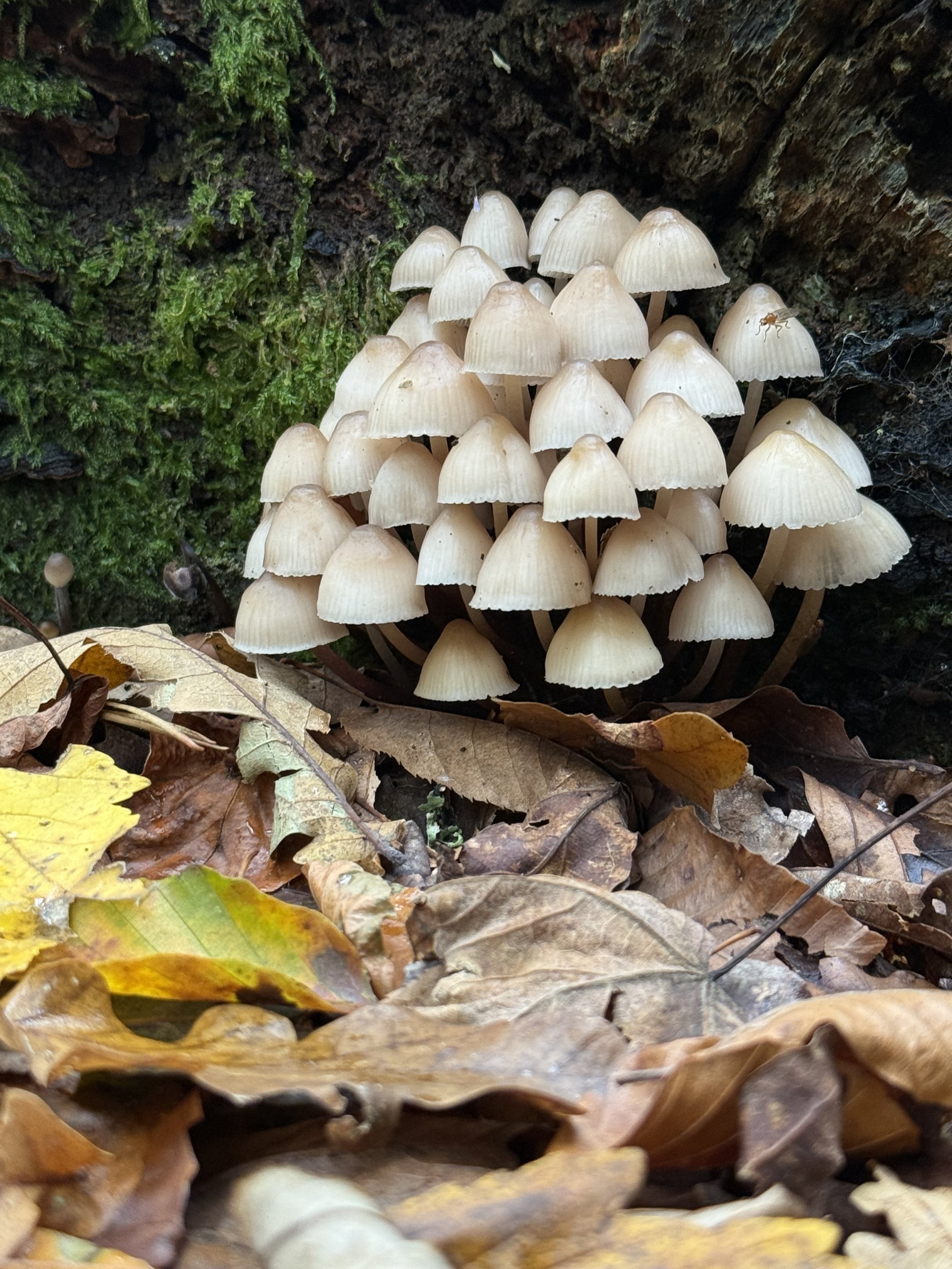
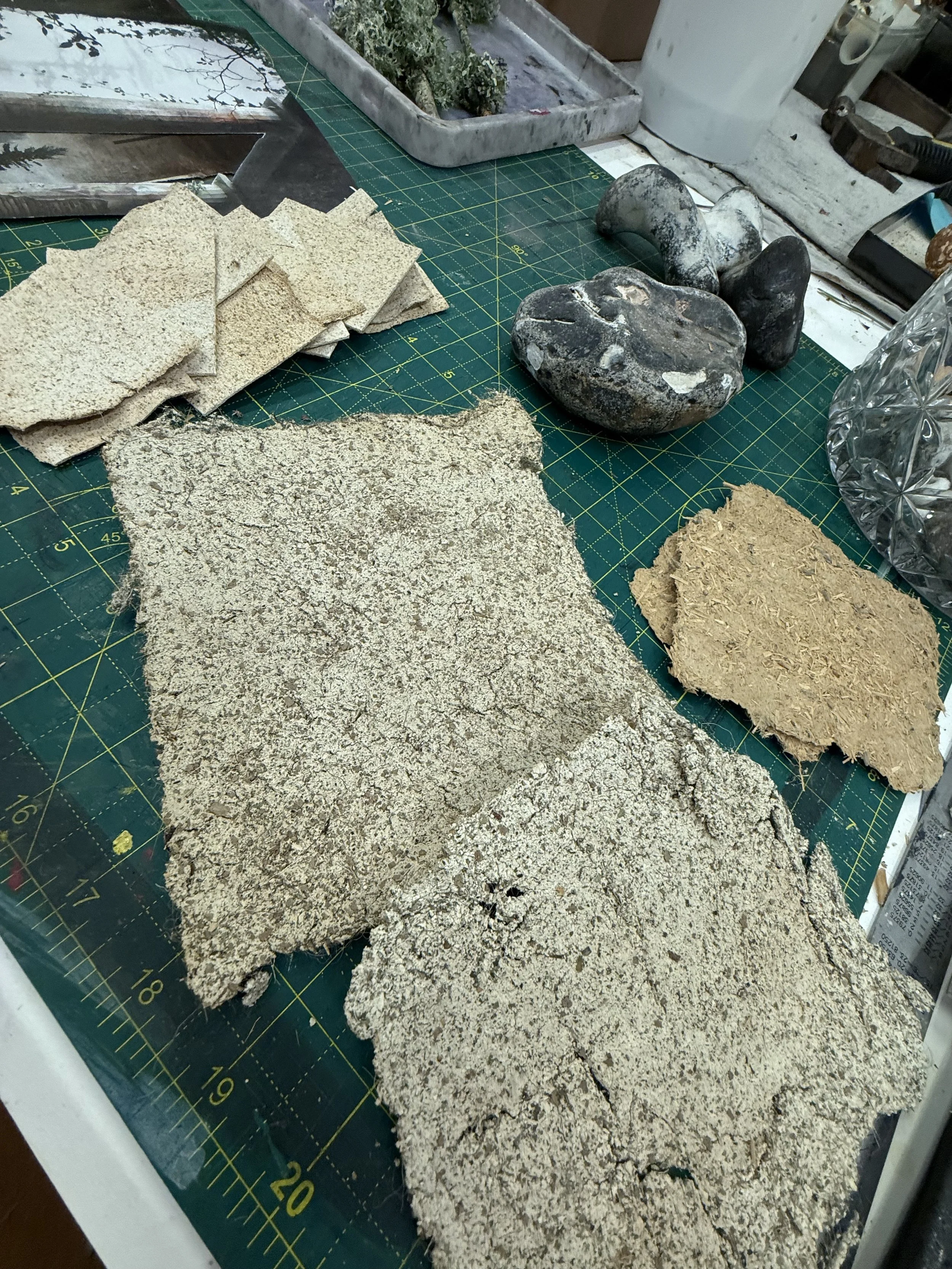
The walks themselves become research. The plants I gather are transformed into pigments, dyes, sculptural materials, or photographic contexts. Mushrooms may stain paper with delicate organic colours, while leaves and bark can produce natural inks.
Each material carries with it a memory of the place where it was found. In this way, each artwork becomes both an object and a trace of a journey through the landscape.
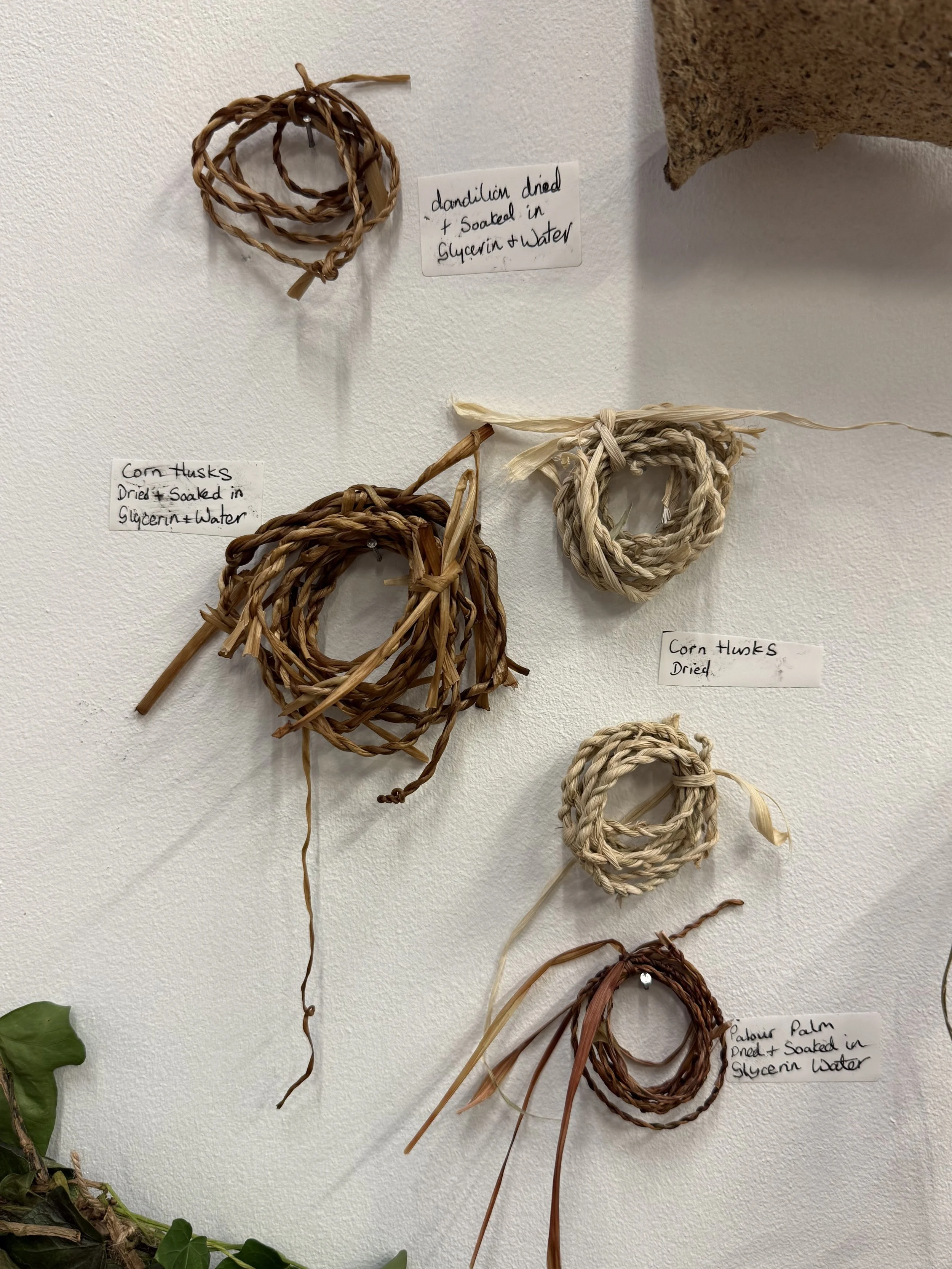
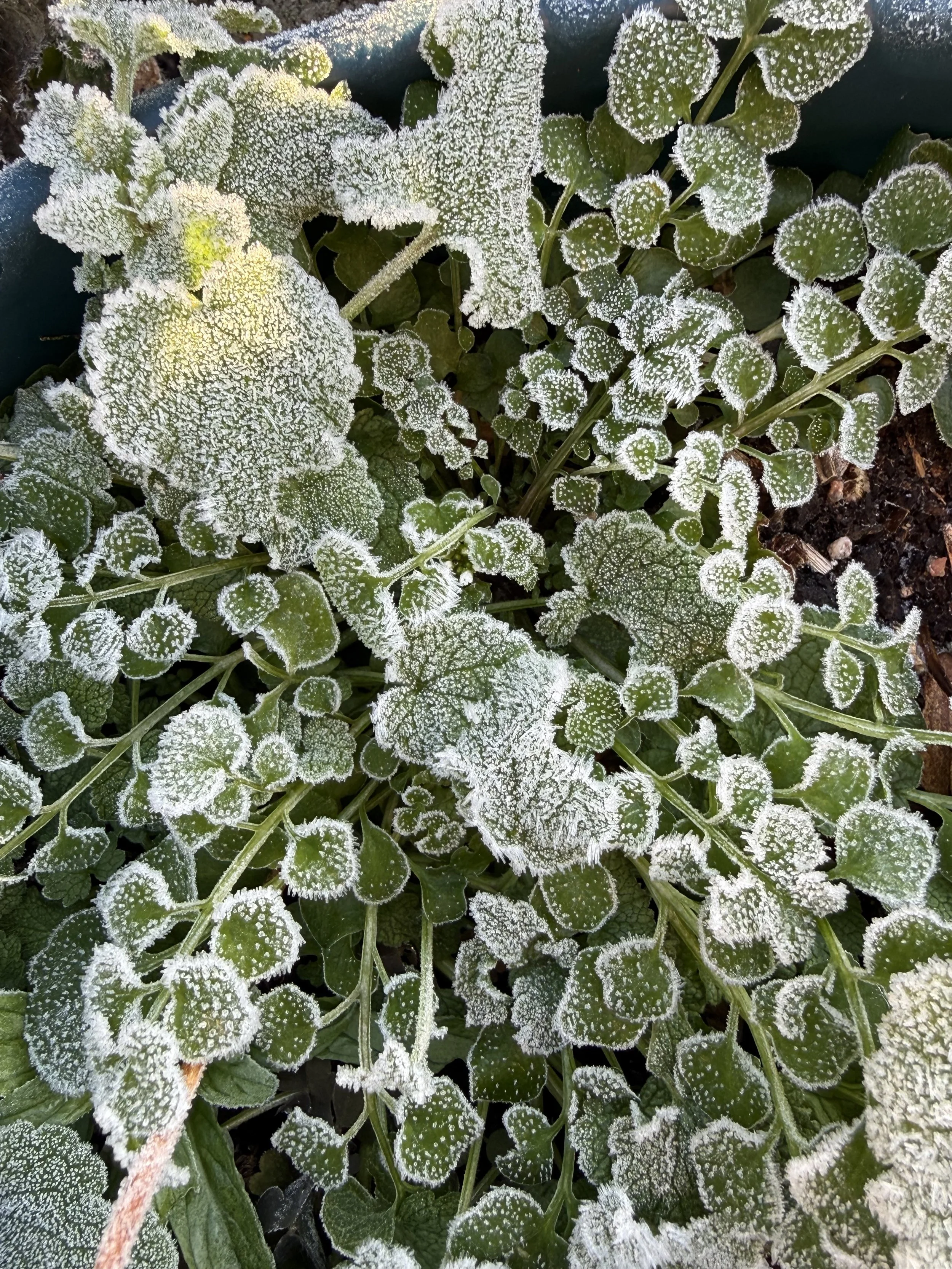
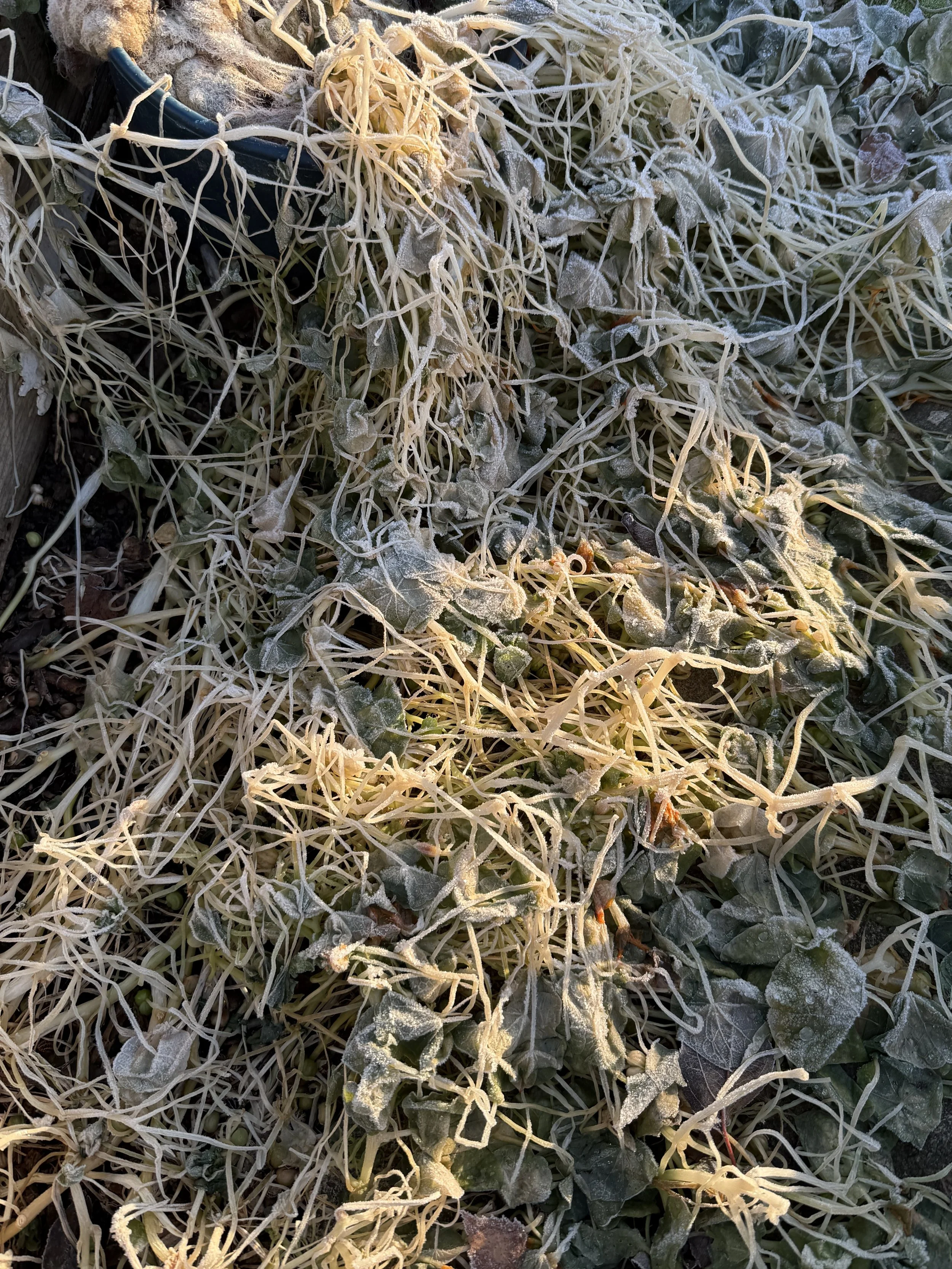




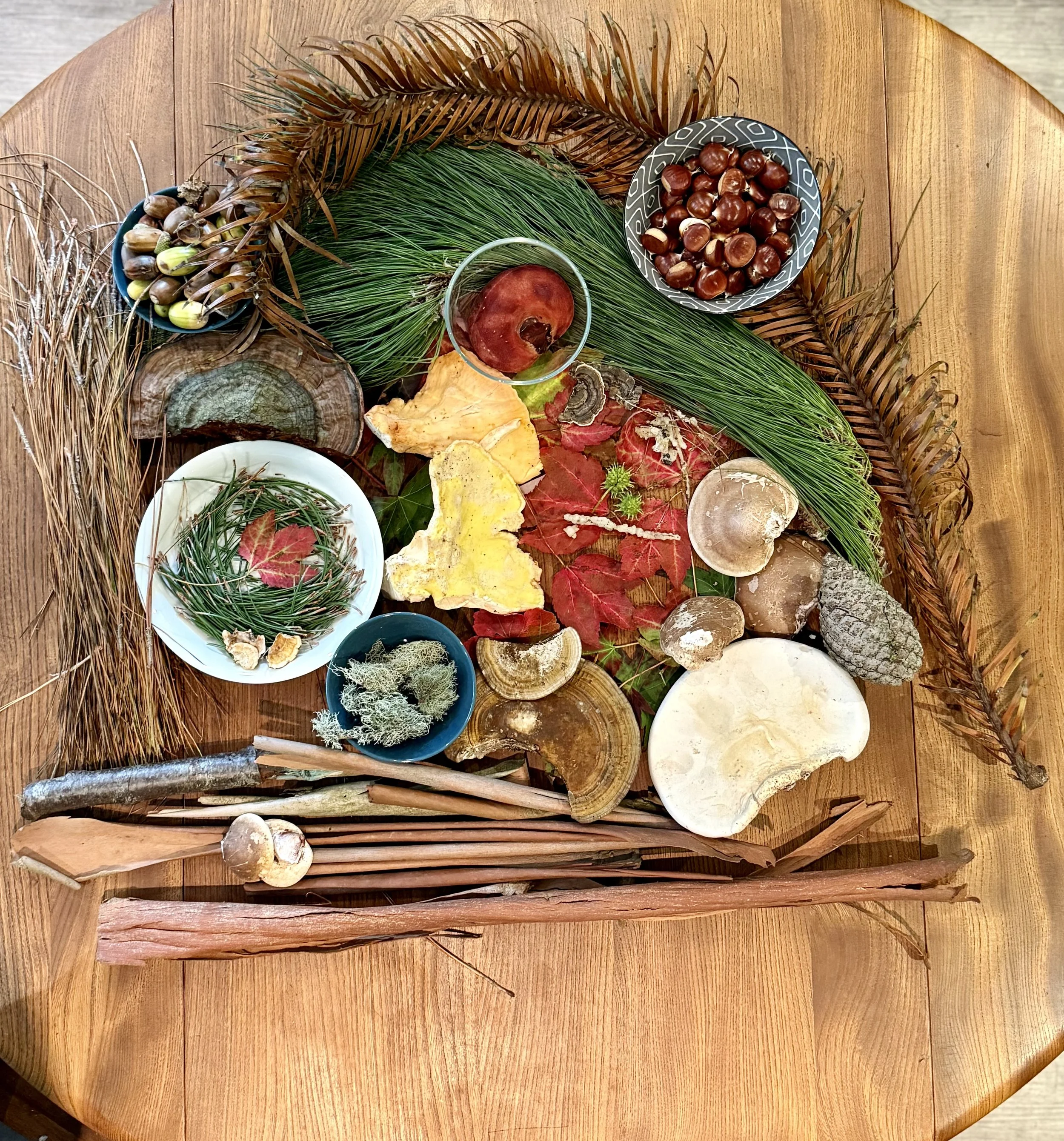
The Studio as Habitat
Traditionally, the artist’s studio has been imagined as a space of control, a room where raw materials are shaped into finished works. Historically, the studio has been associated with mastery, where the artist dominates the material. My practice unsettles that idea.
The places where I gather plants, forests, hedgerows, coastlines, and urban edges, are not separate from the making process. They are the beginning of it. These landscapes shape the materials, rhythms, and ideas that emerge later in the studio.
The studio therefore becomes something more fluid: a habitat that moves between indoor and outdoor spaces, within this habitat, making becomes a collaboration with ecological systems rather than an act of domination over inert materials.
Natural materials refuse total control, plant pigments shift in colour, organic sculptures shrink, warp, or decay. Rather than trying to prevent these changes, I allow them to remain visible in the work. The work exists within the same cycles of growth, transformation, and decomposition that structure the natural world.
By embracing these changes, the work challenges the assumption that art must be permanent in order to be valuable.
Womanhood and Botanical Knowledge
My practice is also deeply connected to the historical relationship between women and botanical knowledge, and as this month is International Women’s Month I couldt not talk about how womanhood connects deeply within my practice.
For centuries, women were the primary keepers of plant knowledge. They gathered herbs for food, healing, childbirth, and ritual. This knowledge was rarely written down; instead, it was passed between generations through daily practices and lived experience.
Midwives, healers, herbalists, and caretakers developed highly sophisticated understandings of plants. Their knowledge lived in the body, through scent, taste, touch, and observation.
As modern scientific institutions developed, much of this knowledge was pushed aside. Herbal traditions were often dismissed as superstition, and women’s roles as healers and gatherers were increasingly marginalised.
The figure of the “witch” can be understood within this historical shift. Many of the women persecuted during the European witch trials possessed knowledge of herbs, healing, and reproductive care. Their knowledge challenged emerging systems of authority, rather than seeing the witch simply as a figure of superstition, I see her as a symbol of suppressed ecological knowledge, and knowledge is actually part of the original meaning of the word, wicca/wicce a wise person.
By returning to practices such as gathering plants and preparing pigments from natural materials, I feel that I am reconnecting with these forgotten lineages. These gestures are both creative and historical acts.
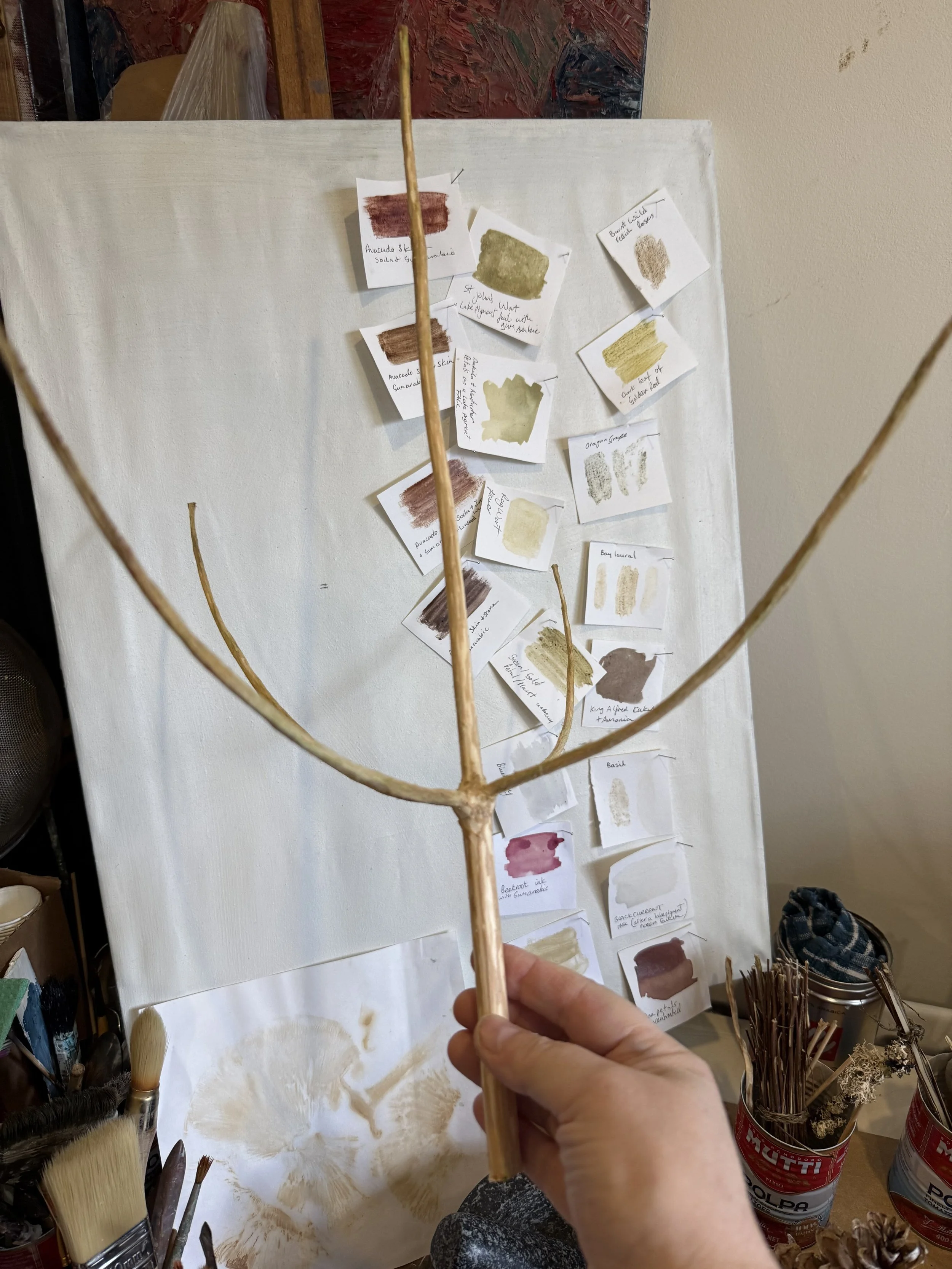
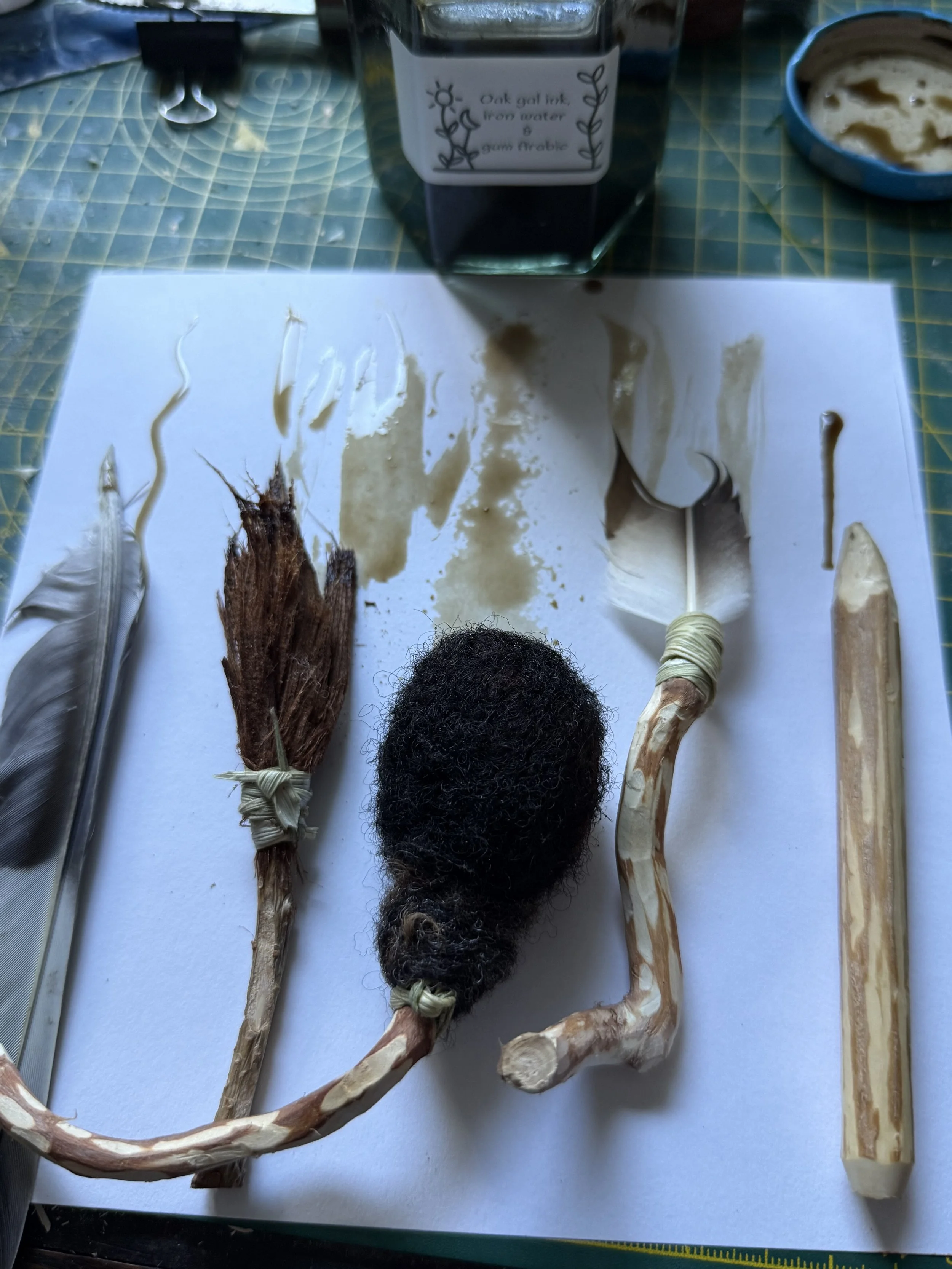


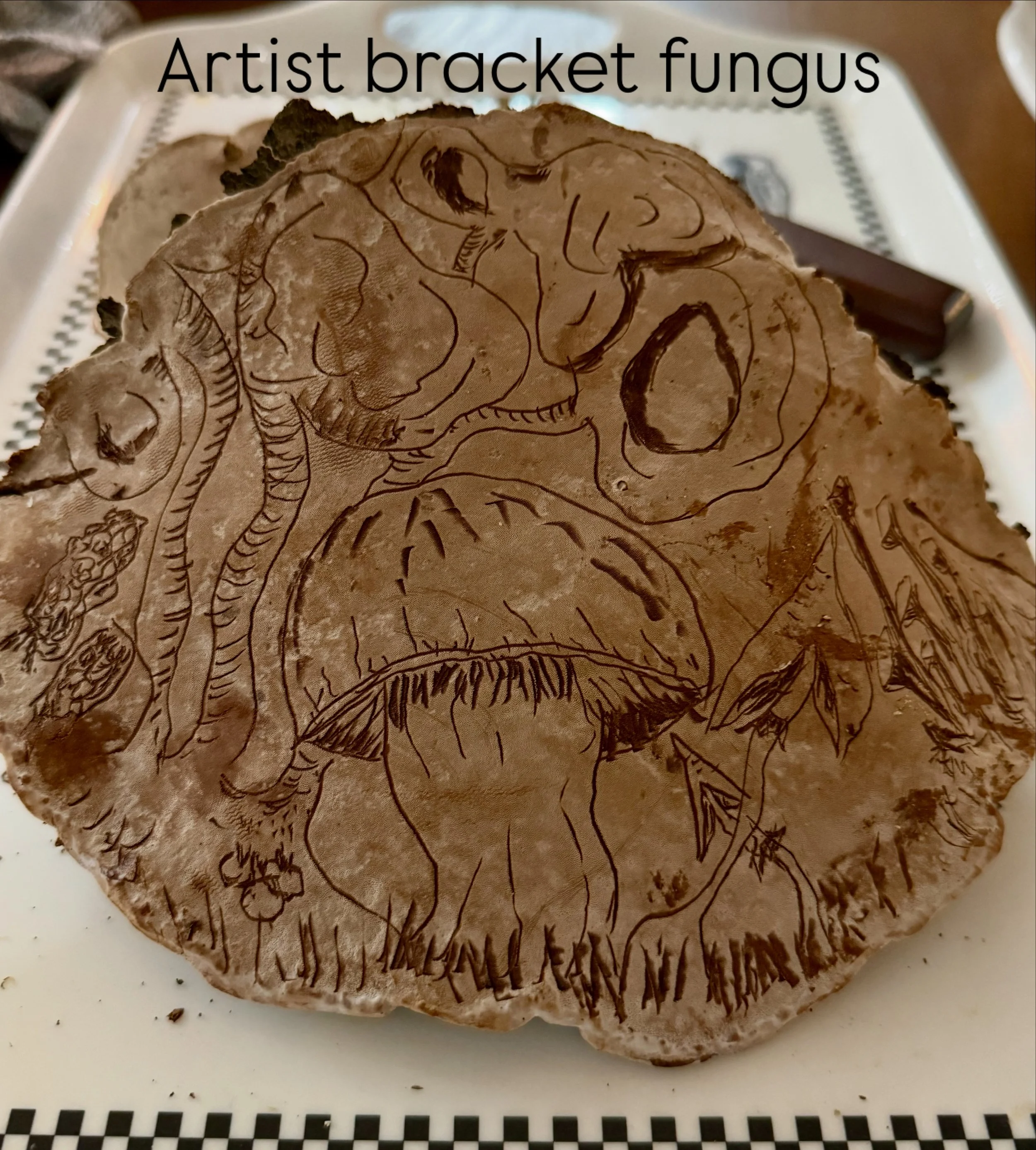

Myth, Folklore, and the Cultural Life of Plants
Plants have always been deeply embedded in myth and folklore. Across cultures, stories about forests, herbs, and magical plants express complex understandings of the relationship between humans and the natural world. These stories speak of transformation, fertility, decay, and renewal.
Within my practice, these narratives are not illustrated directly, but they linger in the materials themselves. Mushrooms, bark, and leaves carry symbolic associations with healing, regeneration, and transformation. The act of gathering, drying, staining, and transforming organic matter echoes gestures that appear in ancient rituals and domestic traditions.
My studio becomes a contemporary space where these gestures are revisited and reimagined.
The Botanical Self
A central idea within my research is what I call the Botanical Self. This concept challenges the idea that humans exist separately from nature. Instead, it suggests that our bodies are fundamentally entangled with plant life.
Plants sustain us through food, oxygen, medicine, and materials. They shape our sensory experiences, our memories, and our cultural traditions.
In my photographic work, I often place the human body within landscapes in ways that jars the boundaries between person and plant matter. We still have to learn how to truly merge and be with nature, or interact with plant materials in ways that emphasise continuity rather than separation.
Craft, Domestic Knowledge, and Art
Working with plant materials also draws attention to the historical divide between craft and fine art. Practices such as dye-making, weaving, herbal medicine, and food preparation have often been classified as domestic craft rather than art. Yet these processes require deep knowledge, patience, and experimentation.
Because they were traditionally associated with women’s labour, they were often excluded from dominant narratives of art history, by the patriarchy.
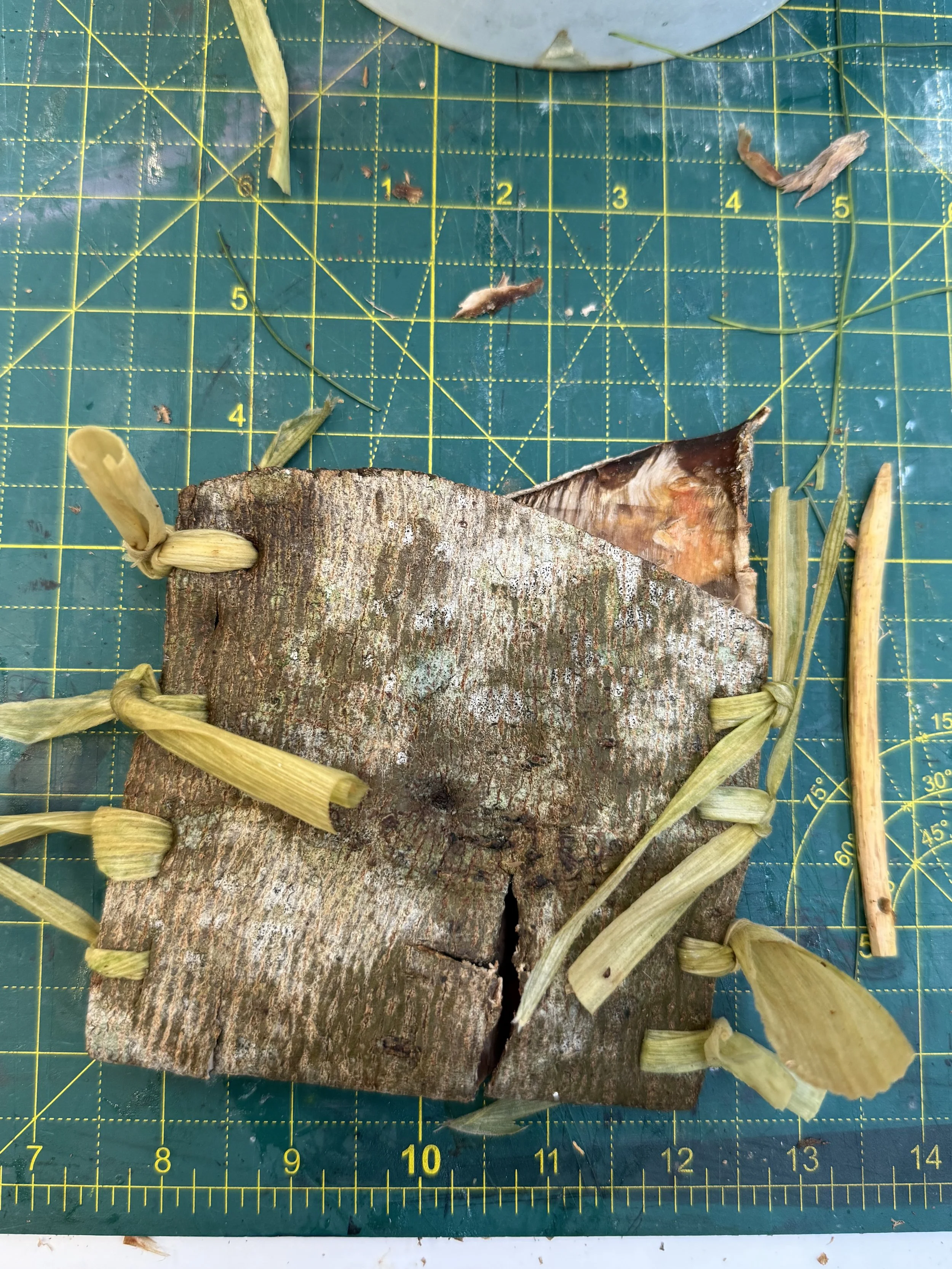
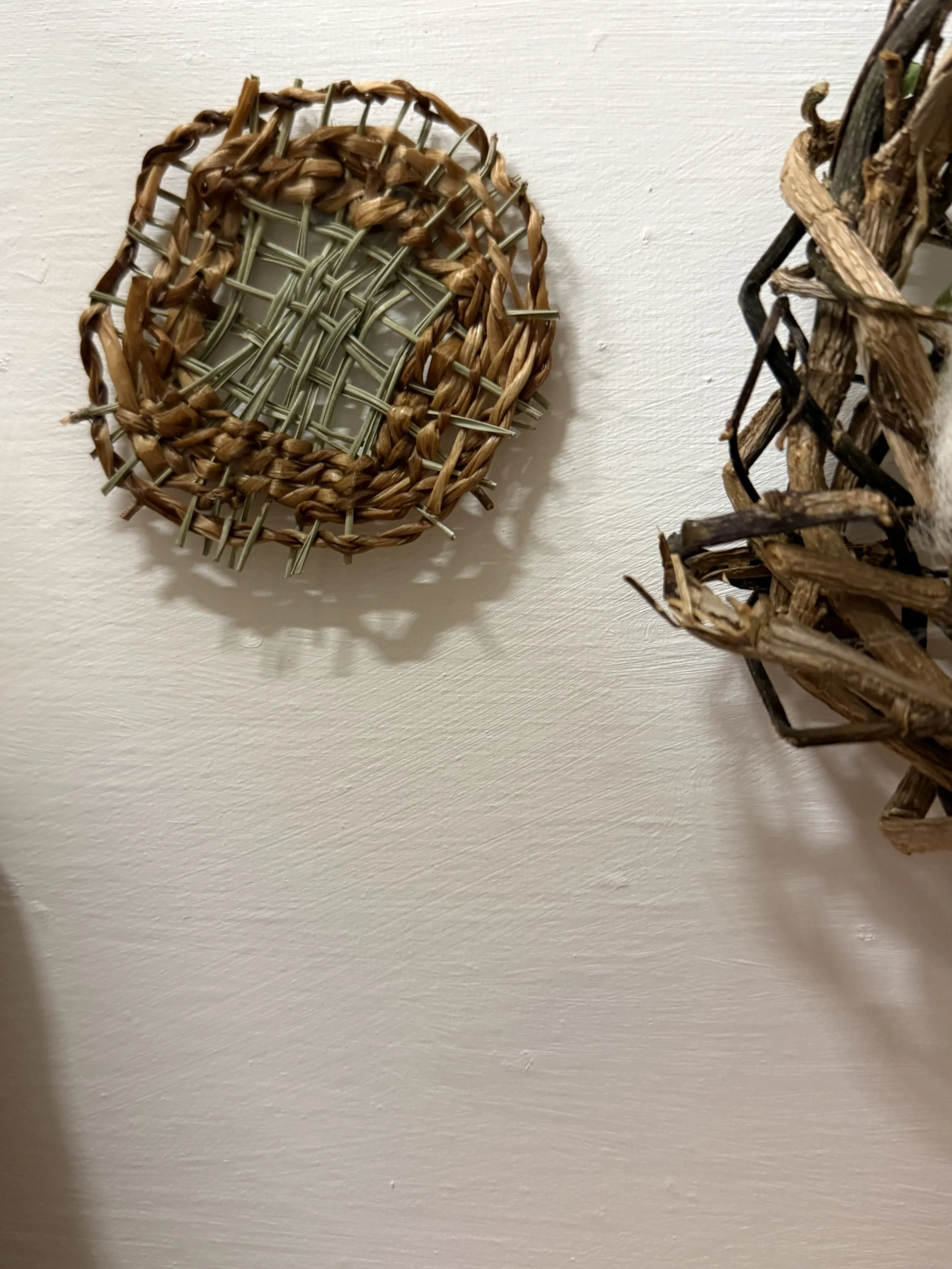
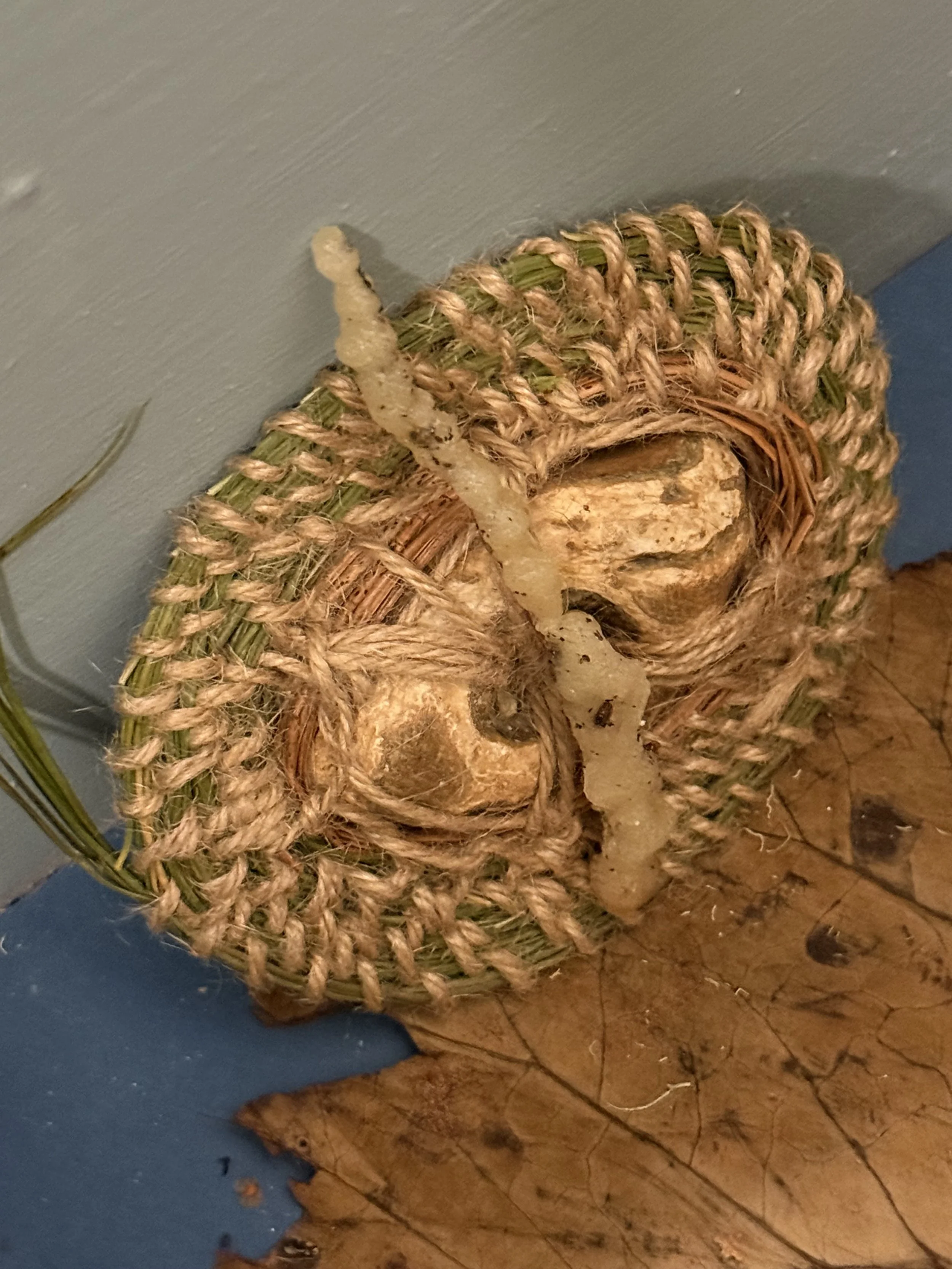
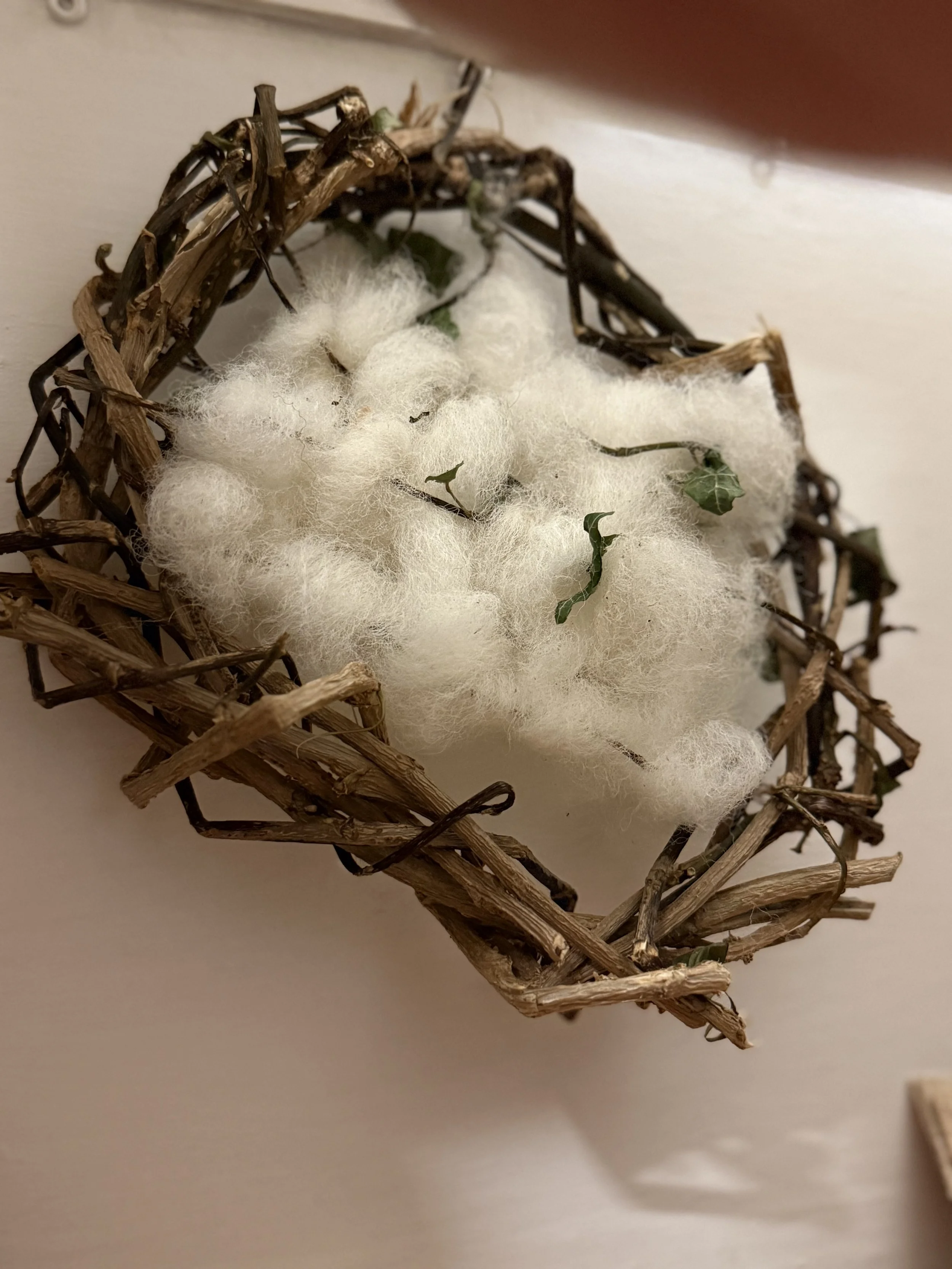
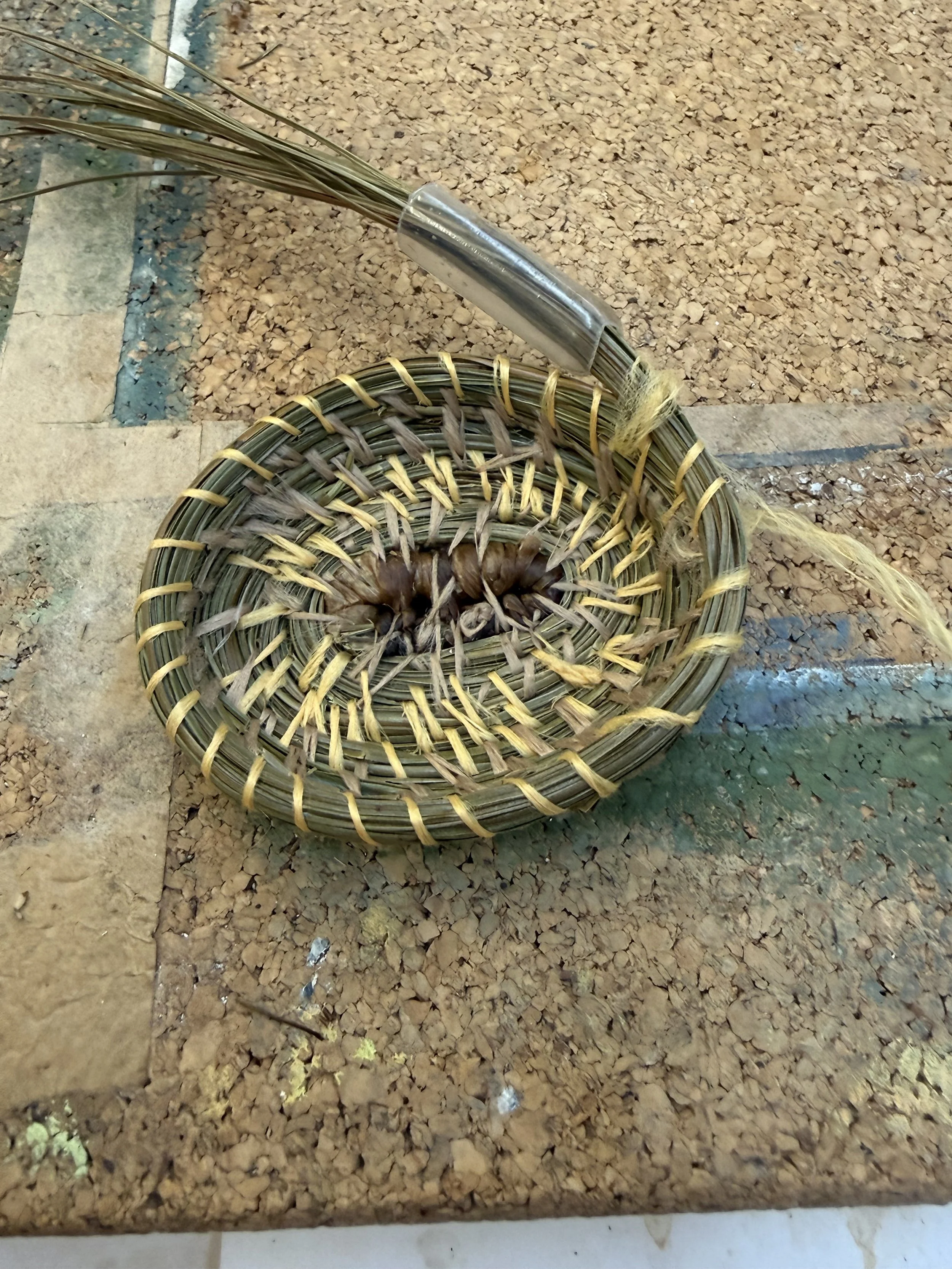
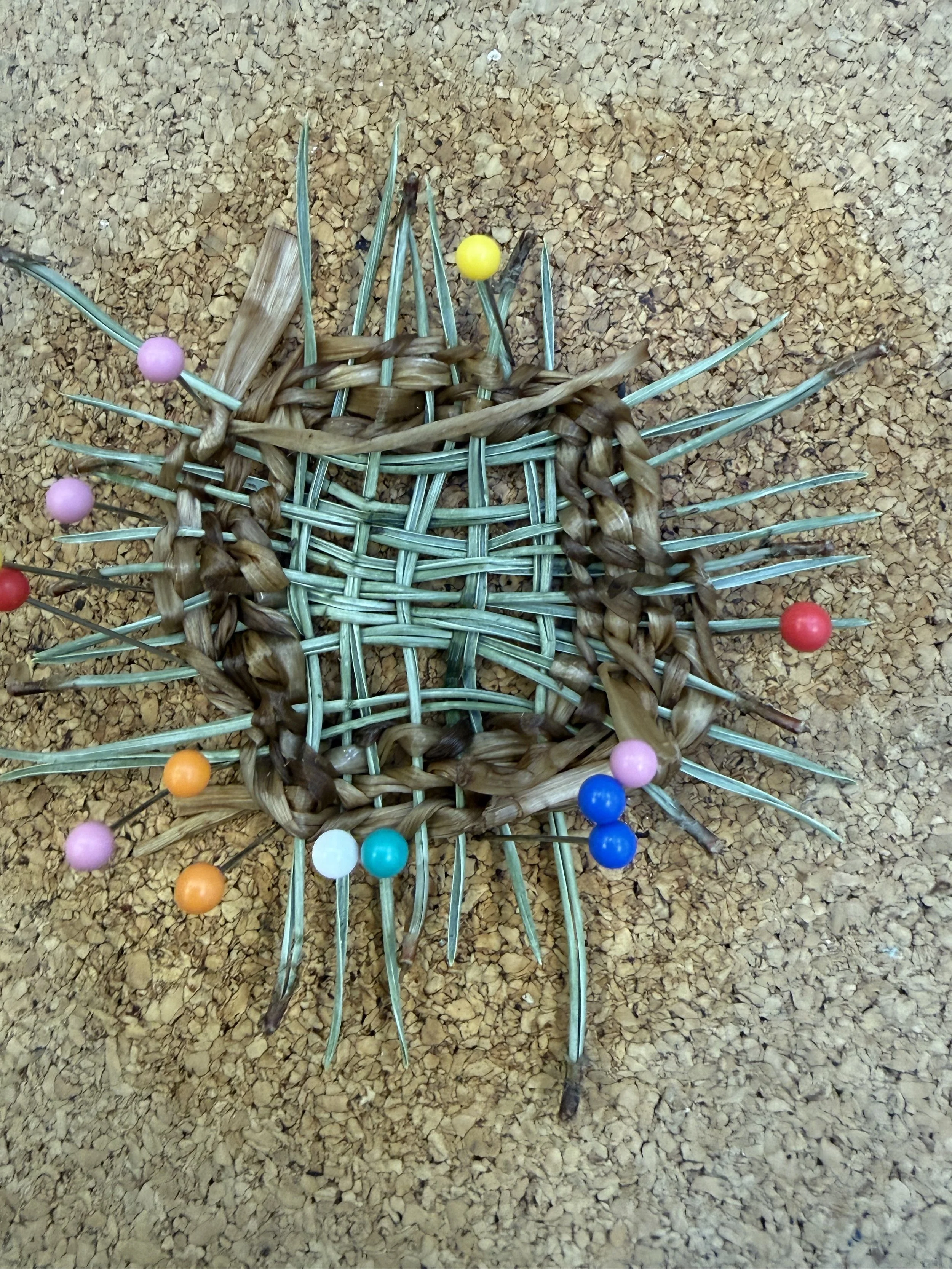
My practice deliberately moves between these categories, making pigments from plants or staining paper with natural materials, weaving leaves and vines, gathering, combing fibres of nettle or wool to become somthing other, somthing we can interact with and use. This becomes both an artistic experiment and an echo of traditional domestic knowledge. By bringing these processes into contemporary art contexts, I hope to challenge the hierarchies that have historically separated craft from art.




Ephemerality and Ecological Ethics
Working with organic materials also means accepting impermanence. Plant pigments fade, organic structures slowly change, natural materials transform over time, and return to the earth from where they came.
Rather than trying to stabilise these materials indefinitely, I allow them to evolve, this approach reflects an ecological understanding: nothing in nature remains static. Growth, decay, and regeneration are part of every living system.
Giving way to this process and allowing artworks to exist within these cycles, my practice attempts to align art-making with ecological processes rather than resisting them.
Relearning Our Relationship with Plants
Ultimately, my work is about relearning how to live and interact with plants.
Modern life has distanced many of us from direct contact with the earth beneath our feet. Knowledge that once existed within everyday life, identifying edible plants, preparing herbal medicines, making colour, weaving vines, understanding seasonal rhythms, has largely been replaced by industrial systems, and the bombardment of commercial products, blinds and deafens us from what is by our side and beneath our feet, we breath them in and not realise they are sustaining us.
Foraging offers a way to rebuild those connections, slow observation, gathering, and experimentation, plants re-enter my creative process not as passive materials but as collaborators, adn a natural extension to the body, mind and spirit.
The studio, expanded into the landscape, becomes a place where art, ecology, and memory intersect. In this sense, my practice is not only about making objects. It is about cultivating different ways of paying attention to the world.
To forage is to notice, and in noticing, we begin to remember that creativity has always been part of the same ecological systems that sustain life.
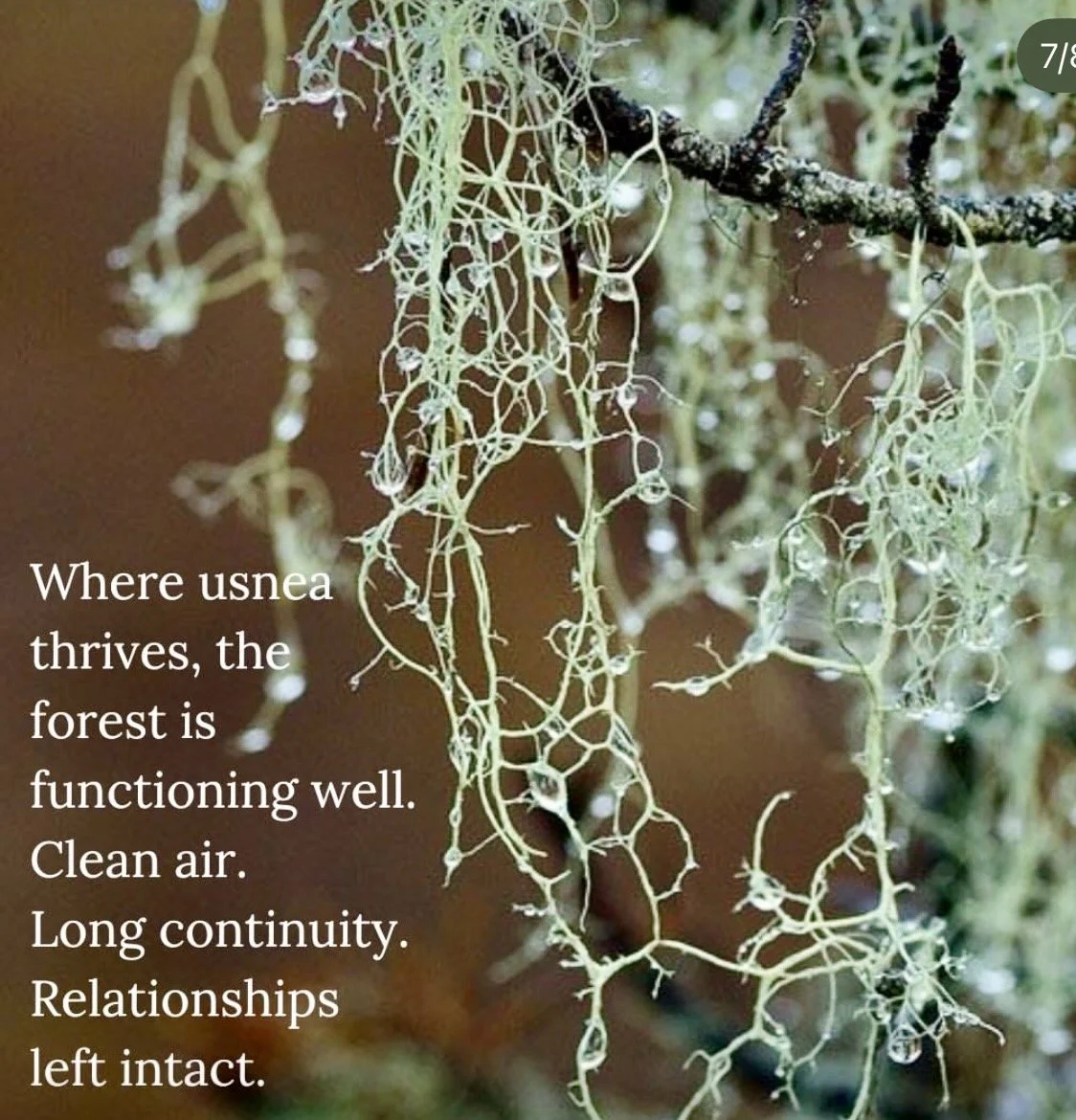
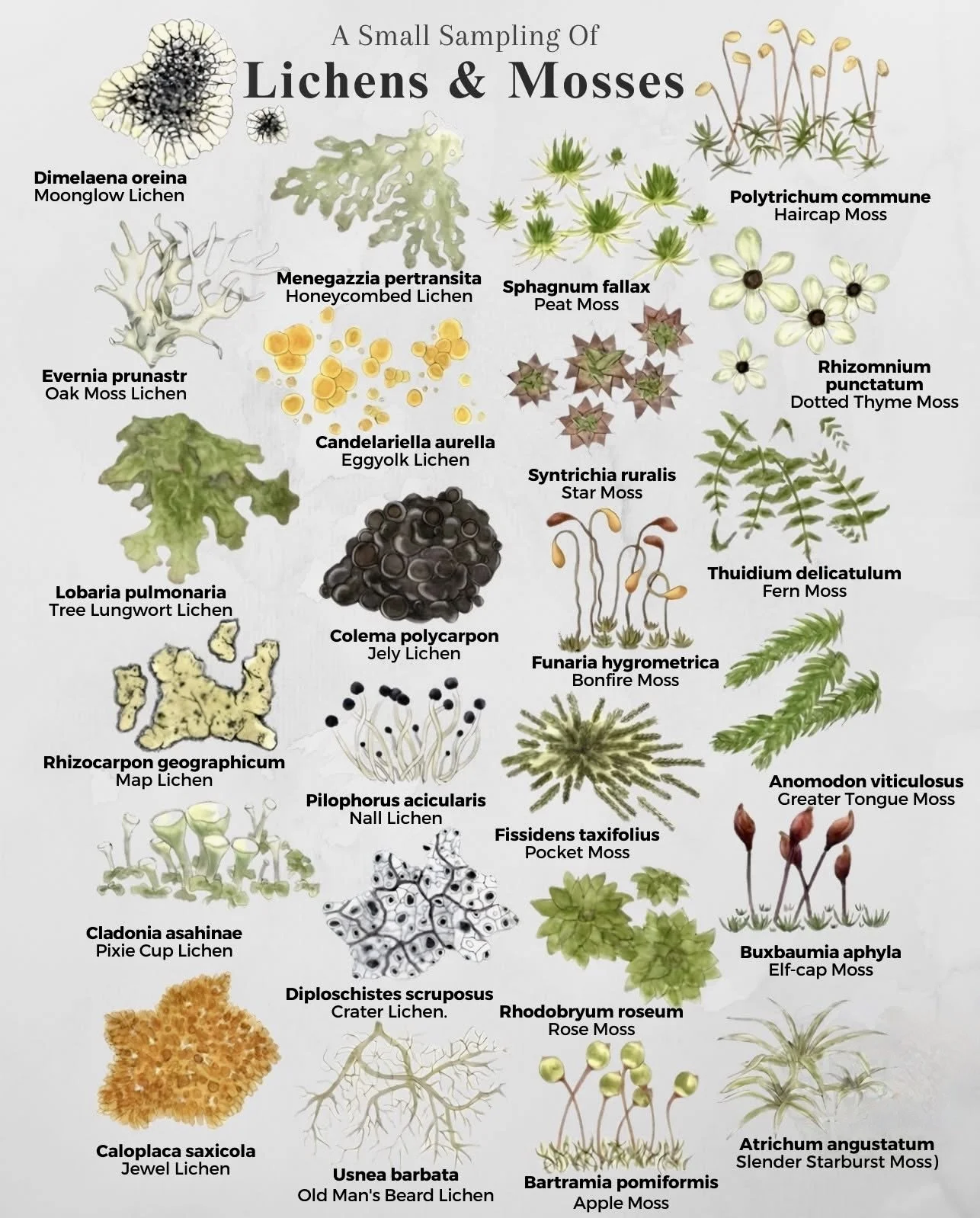
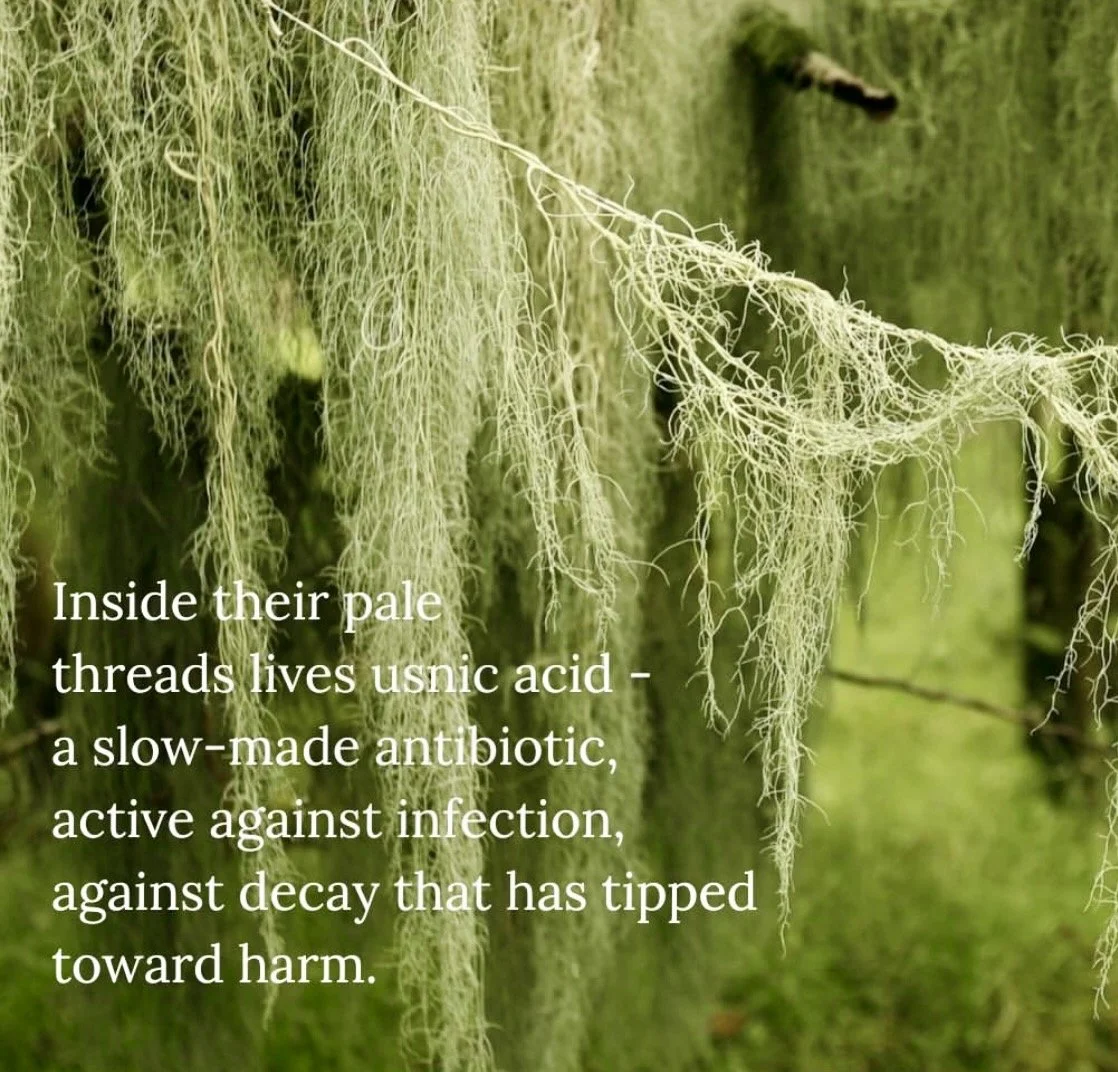


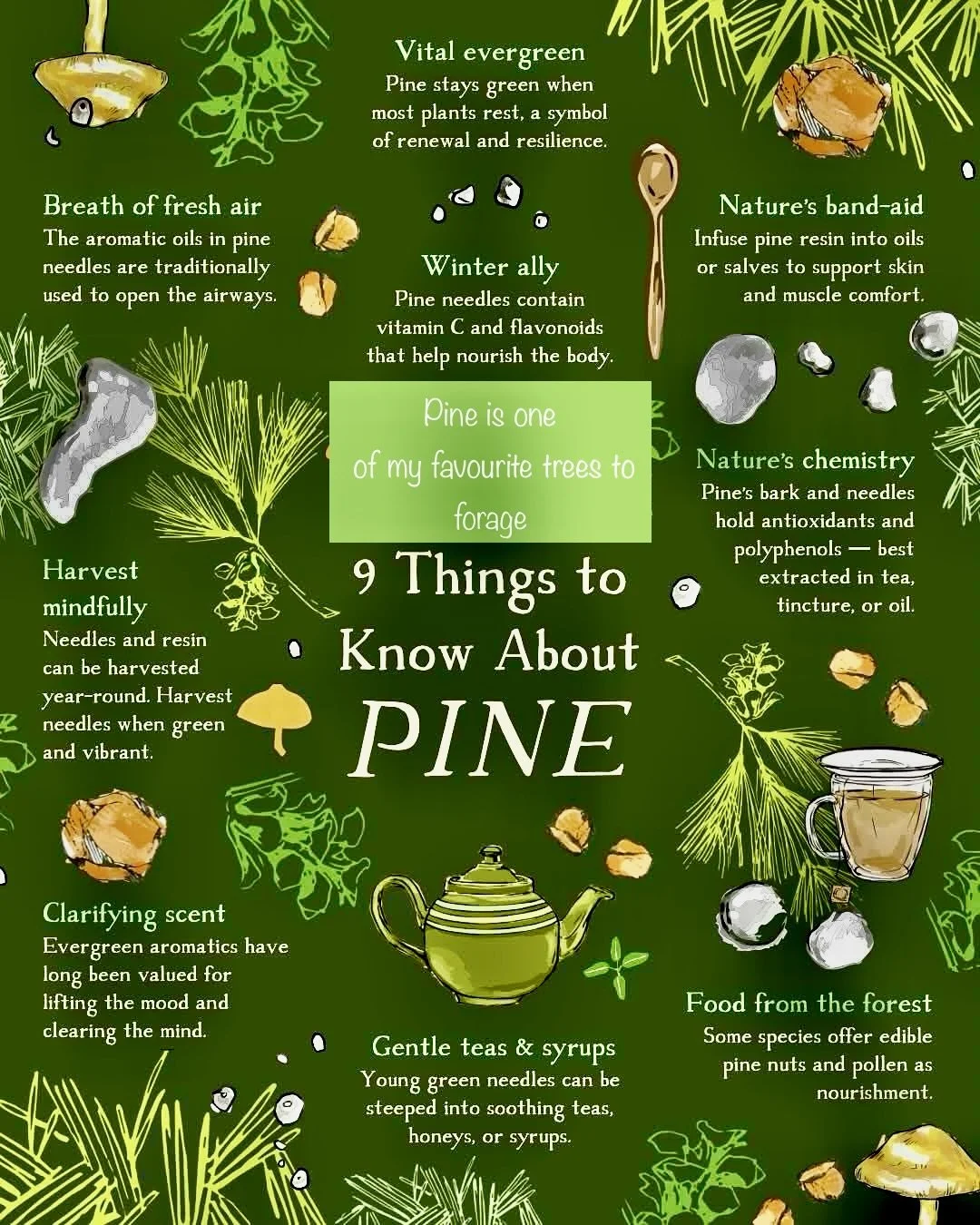
Currently my work is still very much process lead, learning how to handle and work with plants is a thoughtful, and respectful its reciprocity, between plant and person.
If you would like to know more of keep updated then do follow me @nicholarodgers.artist or on www.nicholarodgers.com