
CLAY EVERY WHICH WAY
Clay is one of humanities oldest creative companions. It comes from the earth, but has been shaped by human hands for thousands of years. It has been used to make vessels, paintings, buildings, tools, sculptures, bricks and objects of ritual. It has carried food and water, recorded fingerprints and preserved evidence of lives that would otherwise have been lost.
Clay holds memory, but it also holds contradiction. It is soft but can become hard through firing. It can be shaped and reshaped, once transformed it can be fragile or incredibly enduring, or something practical, or deeply symbolic.
For this issue, Clay Every Which Way became more than an exploration of clay as a material.
The writing in this issue takes the theme in different directions, moving beyond the studio and the ceramic object to consider the wider ideas that clay can hold. There are connections to earth, landscape, archaeology and geology, but also to the human body, memory, identity and belonging. Clay becomes a way of thinking about where we come from and what we leave behind. There are histories of making and labour, questions around craft and the value we place on handmade objects, and reflections on the relationship between people and the materials they work with.
Some of the writing looks towards the past, to ancient objects, and the ways clay has helped preserve fragments of human history. Other pieces bring it into the present, considering our continuing relationship with the ground beneath us and the materials we take from it.
Clay can take us back to childhood, to the first experience of making something with our hands. It can remind us of home, family, place or the physical experience of being close to the earth. It can become a metaphor for the body, for change, for pressure, for breaking and repair.
Perhaps this is one of the reasons clay continues to interest us. It is familiar, but there is always more to uncover.
And beyond its history, there is the material itself.
Earth mixed with water, two elements that hold so much potential, something taken from the ground and transformed by human hands, something that can be returned to the earth, or changed permanently through fire.
The writers gathered here take Clay Every Which Way beyond the traditional boundaries of ceramics. Together, they show how a single material can open up much bigger conversations — about the earth, our bodies, our histories, the things we make and the things we leave behind.
Clay becomes the starting point, but the writing takes us somewhere else.
>>>>>>>>>>>>><<<<<<<<<<<<<<<<
This first work is by our resident Poet Peter Devonald
Terracotta Army
We are all merely clay sculptures
clinging on to free will,
our lives confined, restricted,
to the rules of our moulds;
we are our construction,
we are our creators’ flaws,
shuffling on the chessboard of fate,
the illusion of freedom
to change the peripheral—
but the bigger picture remains the same.
Established rules, normalcy, status quo,
normal furrows cut into the land;
we are merely aging clay statues
in a moulded predetermined clay world.
Of Clay and Titans
Fragile, ephemeral, all too human,
we believe our immortality made of clay,
the limits of our world
our composition.
Watching titans and silver fly high,
lack of health and wealth keeps us
bound to our limitations;
thankful for this life, clay remains clay.
Peter Devonald
>>>>>>>>>>><<<<<<<<
Our other Resident is, artist and writer Michaela Hall
Clay and its Games
Ask somebody to think about clay and the types of creations that might come from it, nine times out of ten, I bet they bring up clean, sleek and uniformed ceramics that signal grandeur and uniformity. This of course, is a stereotype and clay is used by many artists in unpredictable ways that allows the material itself to have its own life and play its own games in the making process.
One artist who shuns these stereotypes completely is Japanese artist Takuro Kuwata. Kuwata takes traditional Japanese techniques, some of the most admired ceramic work in the world and creates ceramic works that are anything but traditional. He uses the Ishi-haze technique for example, in which materials overheat in the kiln and rupture. While this is a technique usually used with smaller materials, Kuwata chooses to use very large materials to achieve different forms of distortion in his ceramic artworks. He uses other techniques such as Kairagi which help to create imperfections in the outer glaze of the ceramic too, to produce something truly unique which is anything but uniform. Because of this, his ceramic artworks often have a life of their own, Kuwata is very much playing games with his materials and leaving things to chance to create some truly striking, colourful and beautifully strange sculptures. All the colours and textures in his works make an audience (or at least, for me) feel like a kid in a sweet shop, each piece is so seductive and draws your closer – it’s easy to forget that they’re actually ceramics and have origins in a humble piece of clay.
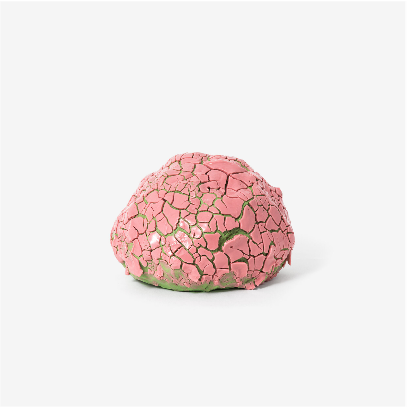
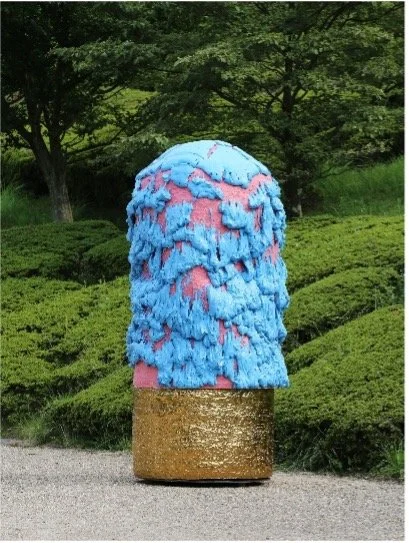
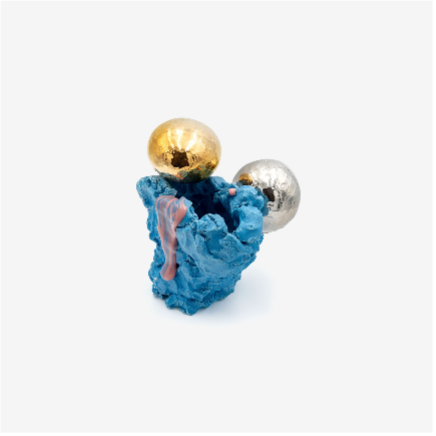
(Images courtesy of: https://alisonjacques.com/artists/takuro-kuwata )
In 2023, the Hayward Gallery hosted an exhibition titled ‘Strange Clay: Ceramics in Contemporary Art’. This exhibition featured 23 artists including Kuwata, and many others that demonstrate Kuwata’s ethos that ceramics can take a form of their own and be wonderfully strange and creative in a way we might not traditionally consider. One of these other artists who took part was British artist, Lindsey Mendick. Mendick’s artworks aim to take the medium of clay and change its narrative away from the decorative and traditional ‘well-behaved’ identity to a contemporary narrative representing women and their lived experiences. Her works invite us all to take a look into the reality of femininity, and while serious in their intention, can often be beautifully honest, confrontational and poke fun at things. The titles of the works like ‘My Stupid Mouth’ (2026) and ‘Wacky Wednesday (Spicing things up)’ (2026) give us permission to look at the works without any serious pretence and set the tone for the colourful, cheeky and raw ceramics we see before us, Mendick is playing with her materials and their context here to change the game when it comes to associations.
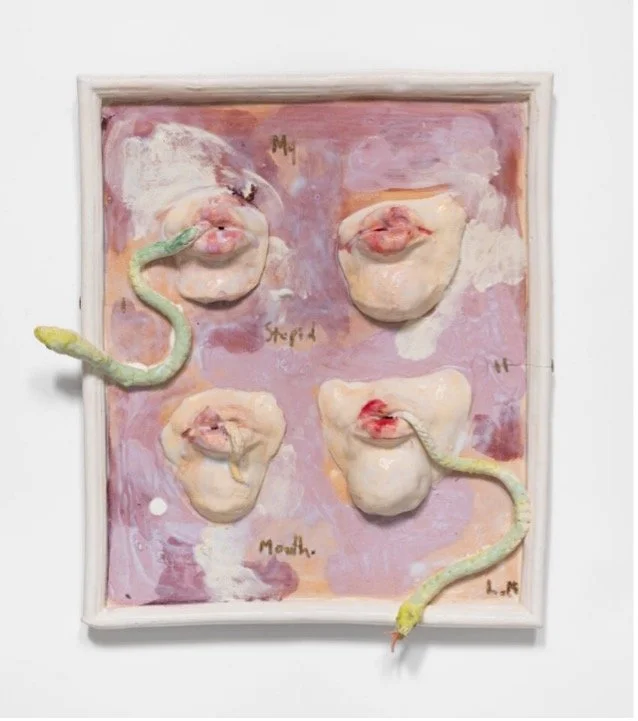
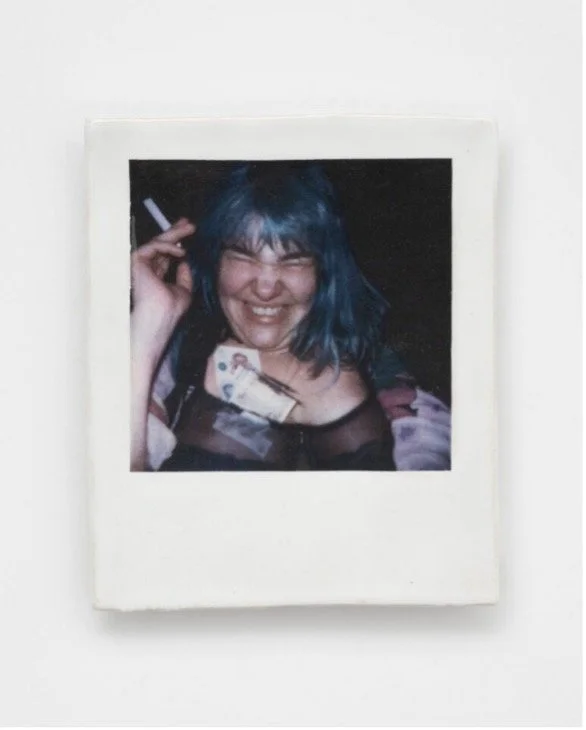
(Images courtesy of: https://carlfreedman.com/artists/lindsey-mendick/ )
Clay is something so natural, which can be literally moulded to tell a thousand stories and have a thousand identities. It’s fair to say its days of being used only for fine pottery and regal ceramics are over, and the use of it can give a permanence to some of the most contemporary and opposing ideas to traditional ceramic décor and style. It has multiple games up its sleeve that artists are so keen to capitalise on to help portray important ideas and show an established material in a much more exciting way that we can all identify with.
Helpful definitions
Ishi-haze (stone haze): A landscape formed when sandstone in the base material is burnt away.
The white colour of the sandstone reflects the ground colour of the clay glaze, creating a unique appearance, and because it does not leak water, it was highly valued by tea masters. The white colour of the sandstone reflects the ground of the clay glaze, creating an eccentric scene, and the fact that it does not leak water made it highly prized by tea masters.
Kairagi: Also called kaeragi or kairage. It is a chink in the glaze. In Korean well tea bowls, the glaze is often seen as sharkskin around the waist and the base of the bowl, and is admired as a scenic feature. Kairagi was originally the skin of a butterfly shark used for swords, and is called kairagi because of its similarity to sharkskin in the way the glaze is wrinkled and rough. Rough ceramics are undercooked, so the glaze does not adhere sufficiently, resulting in kairagi, which can be regarded as a technical defect. (The Complete Catalogue of Pottery)
(courtesy of : https://turuta.jp/ceramics-story/archives/4240 )
>>>>>>>>>>>><<<<<<<<<<<<
BECOMING CLAY
By Co-editor Nichola Rodgers
I have been interested in the relationship between the human body and the natural world for some time. Much of my practice begins with walking, gathering and paying attention to the materials and environments around me. I am interested in how we understand our place within these environments, and in questioning the idea that humans exist separately from the natural world.
Working with clay gave me a very direct way of exploring this relationship, and its one I keep going back to at various points in my practice. Clay is earth from the ground, but through working with it we change its form and its purpose. It can become an object, a structure, a vessel or a representation of the body. Working with it also requires physical contact. You cannot really work with clay without getting your hands into it.
This became important to the work.
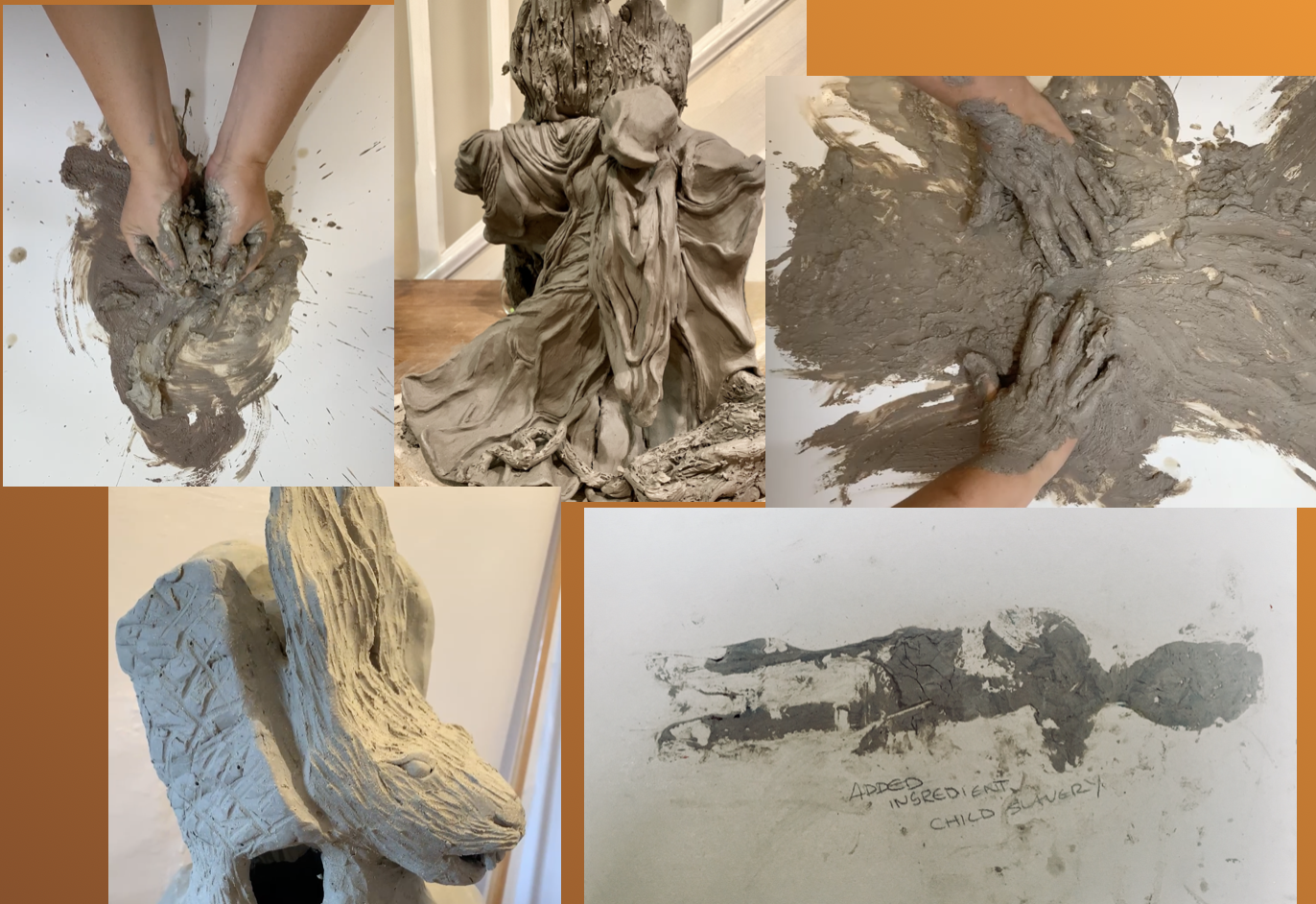
One piece began with what was left behind, a body shape, traces of connection. Rather than creating a recognisable figure, the work records the outline and presence of a body that has been there. It is a trace rather than a representation. This interested me in what happens when the body is removed and only its evidence remains.
We leave traces everywhere. Through our footprints, our touch, the things we move and the spaces we occupy. Most of these traces are temporary and disappear without us noticing. By creating a trace of the body in clay, I was thinking about presence and absence, and about what it means to leave something behind.
The clay sculptures developed from this idea of the body and material coming together. Through my research of ritual, womanhood, and nature.
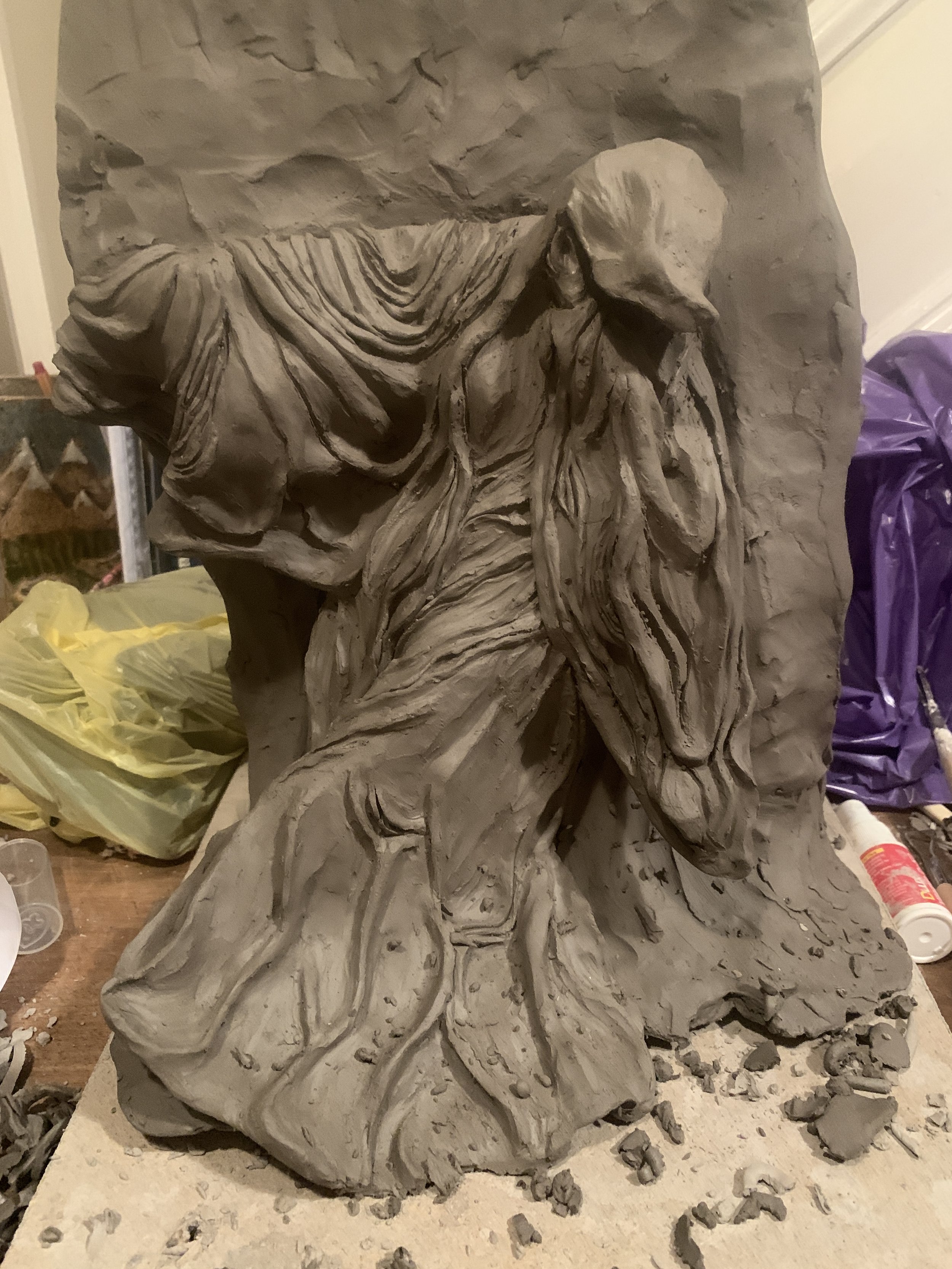
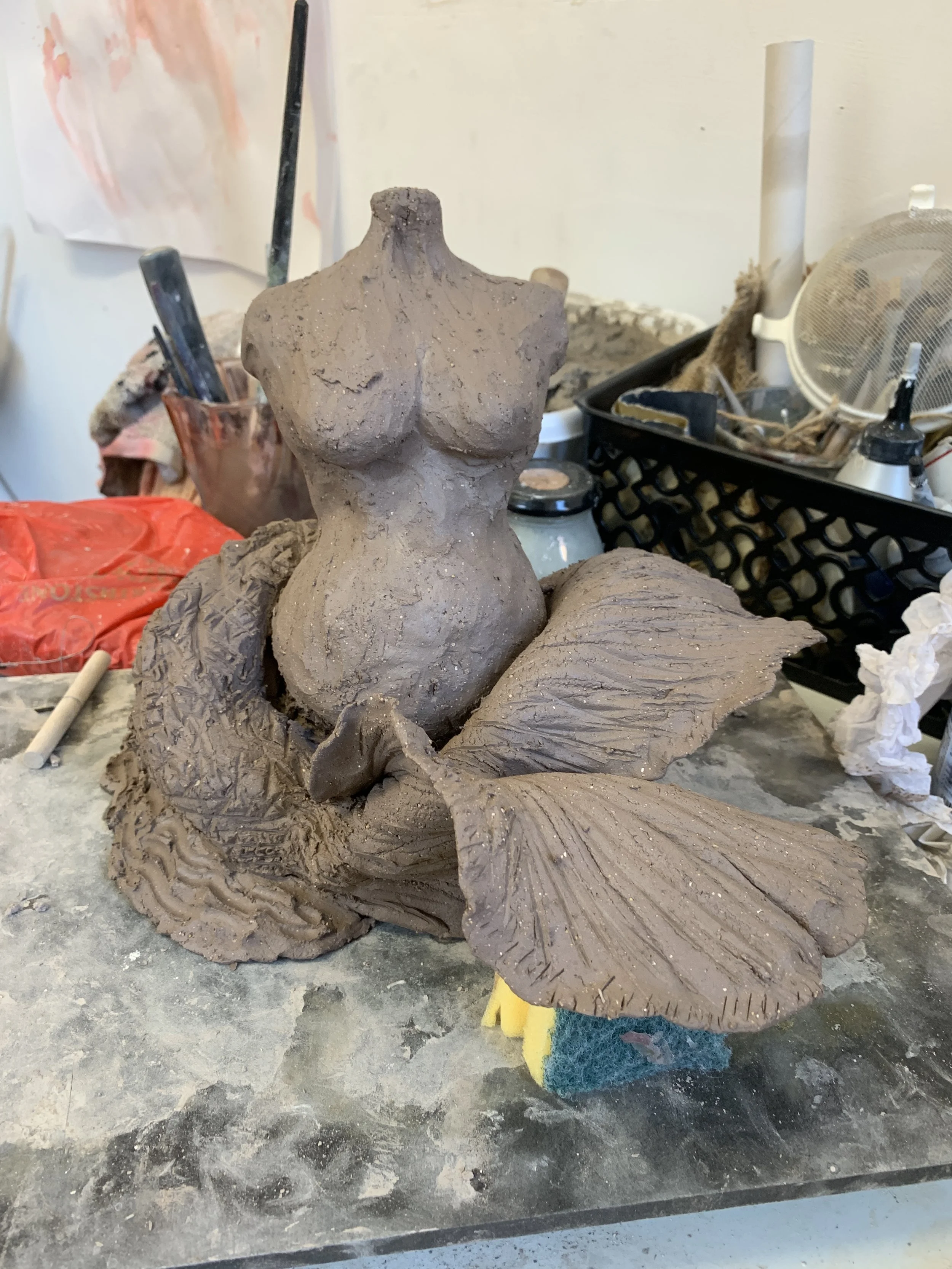
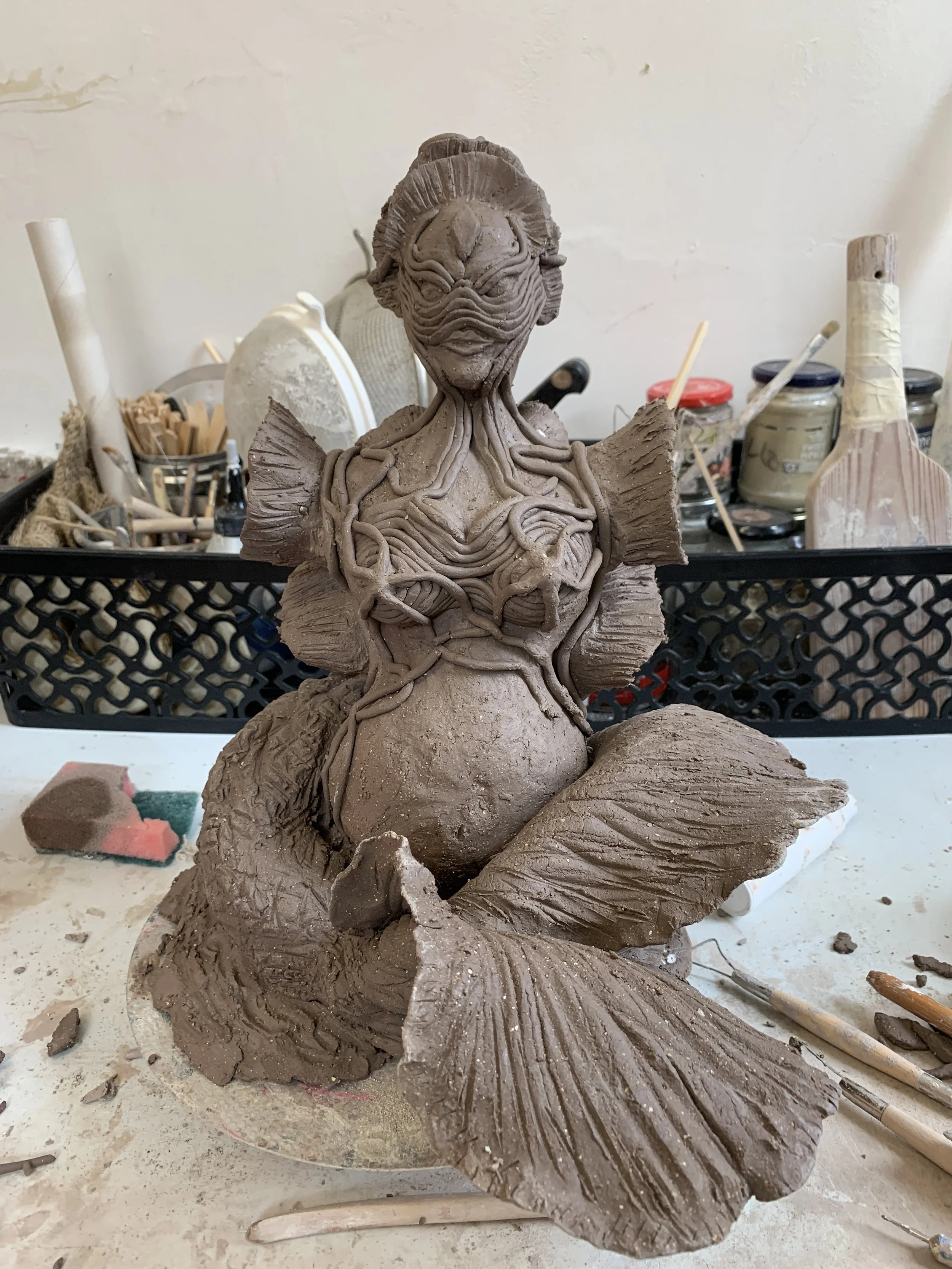
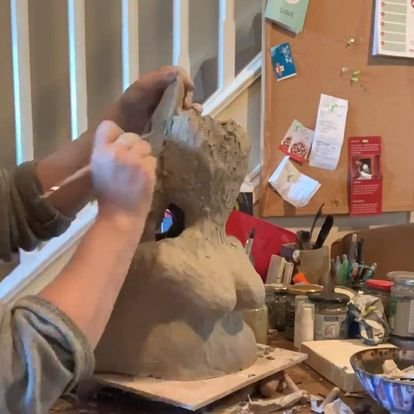
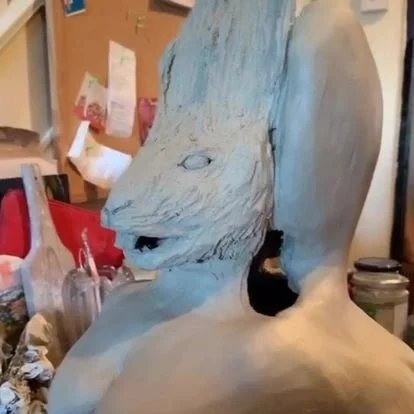
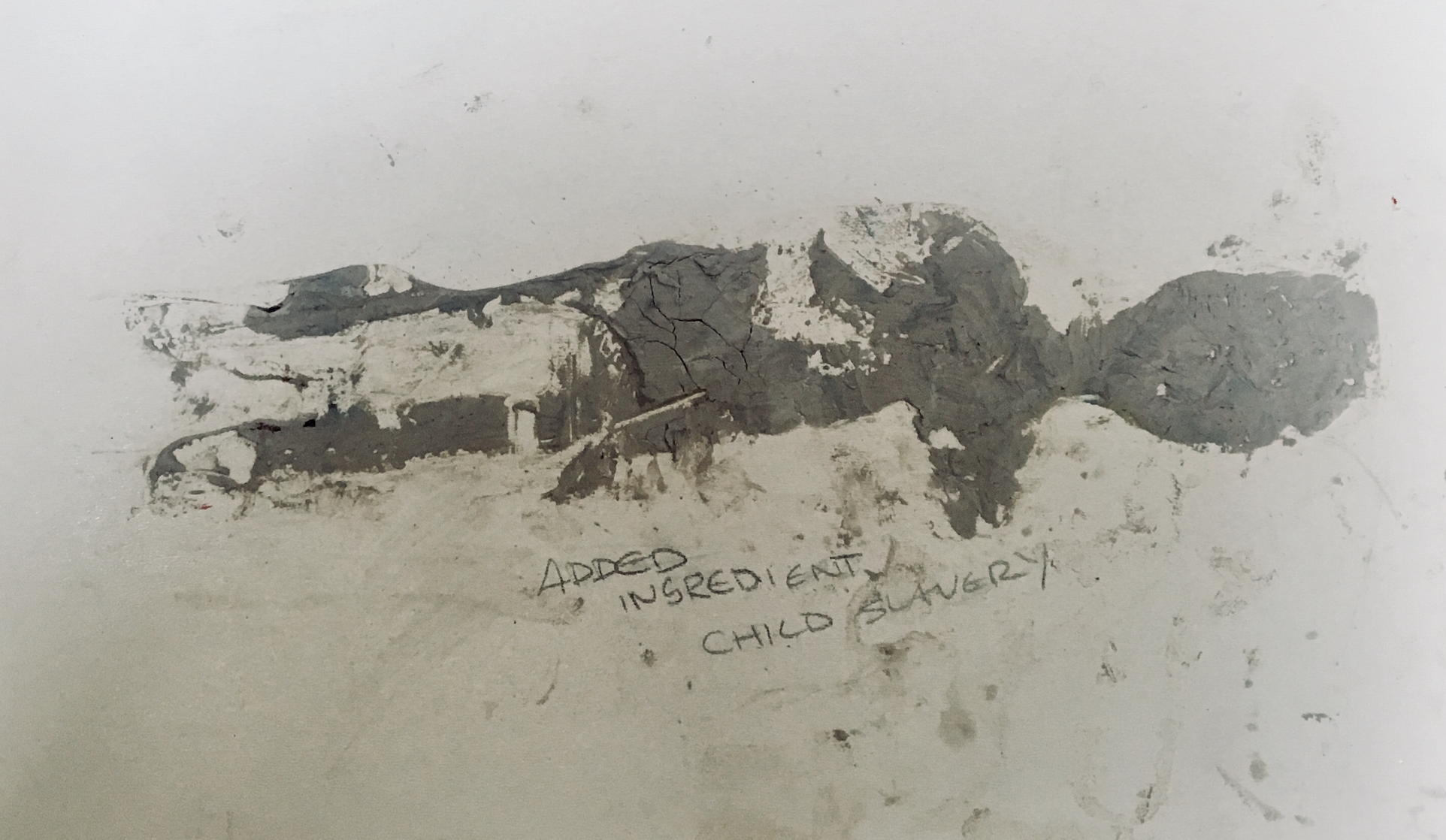
Clay is very responsive. It records pressure, movement and touch, so the process of making becomes visible within the finished work. The marks made by the hands remain part of the object. Once the clay is fired, those marks become fixed. This creates an interesting tension between the original material and the finished sculpture.
Before firing, the clay is changeable. It can be moved, altered, broken down and made again. After firing, it has been transformed into something much more permanent. The process changes the relationship between the maker and the material.
This is something I have been considering within my wider practice. I often work with natural materials that are temporary, biodegradable or capable of changing over time. I am interested in materials that have their own processes and histories, rather than treating them simply as something for me to control.
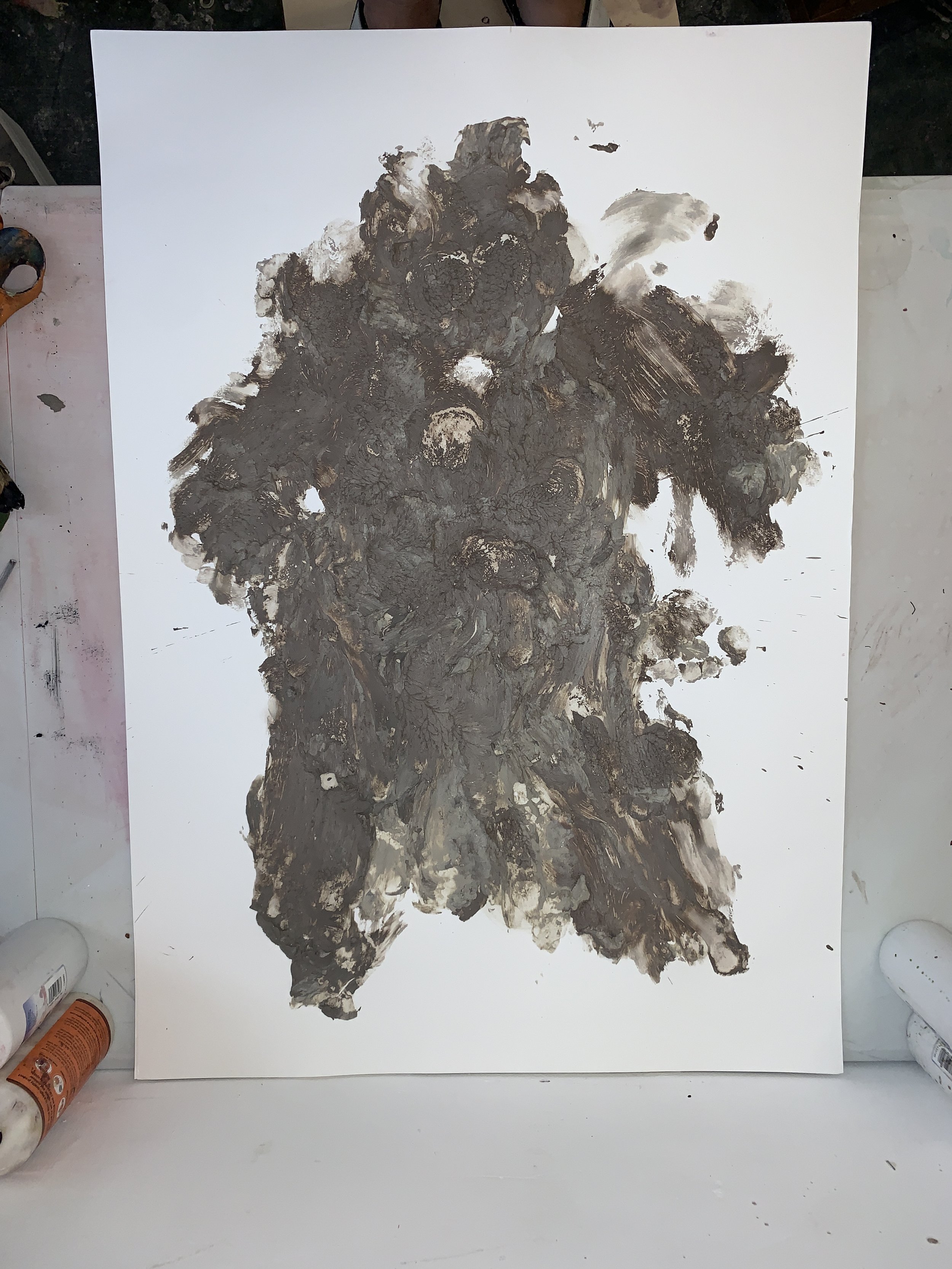
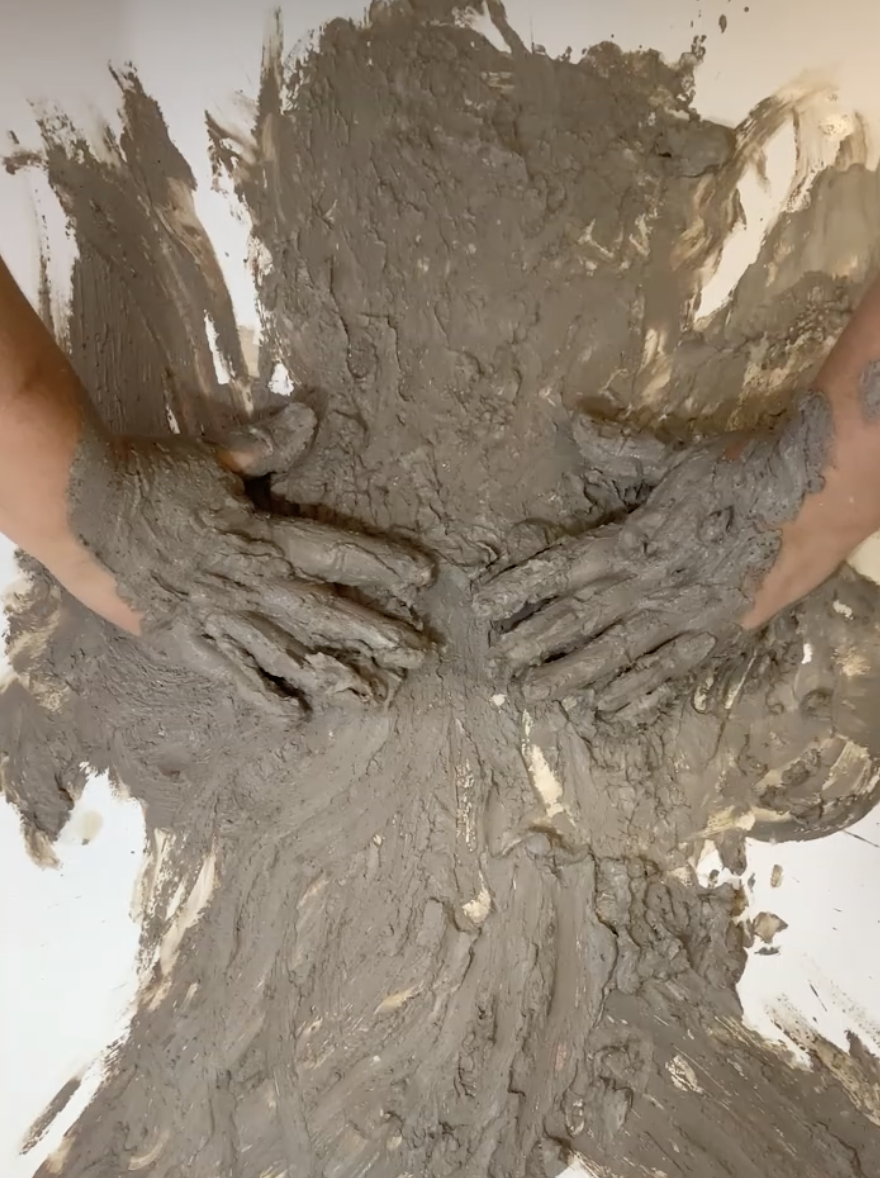
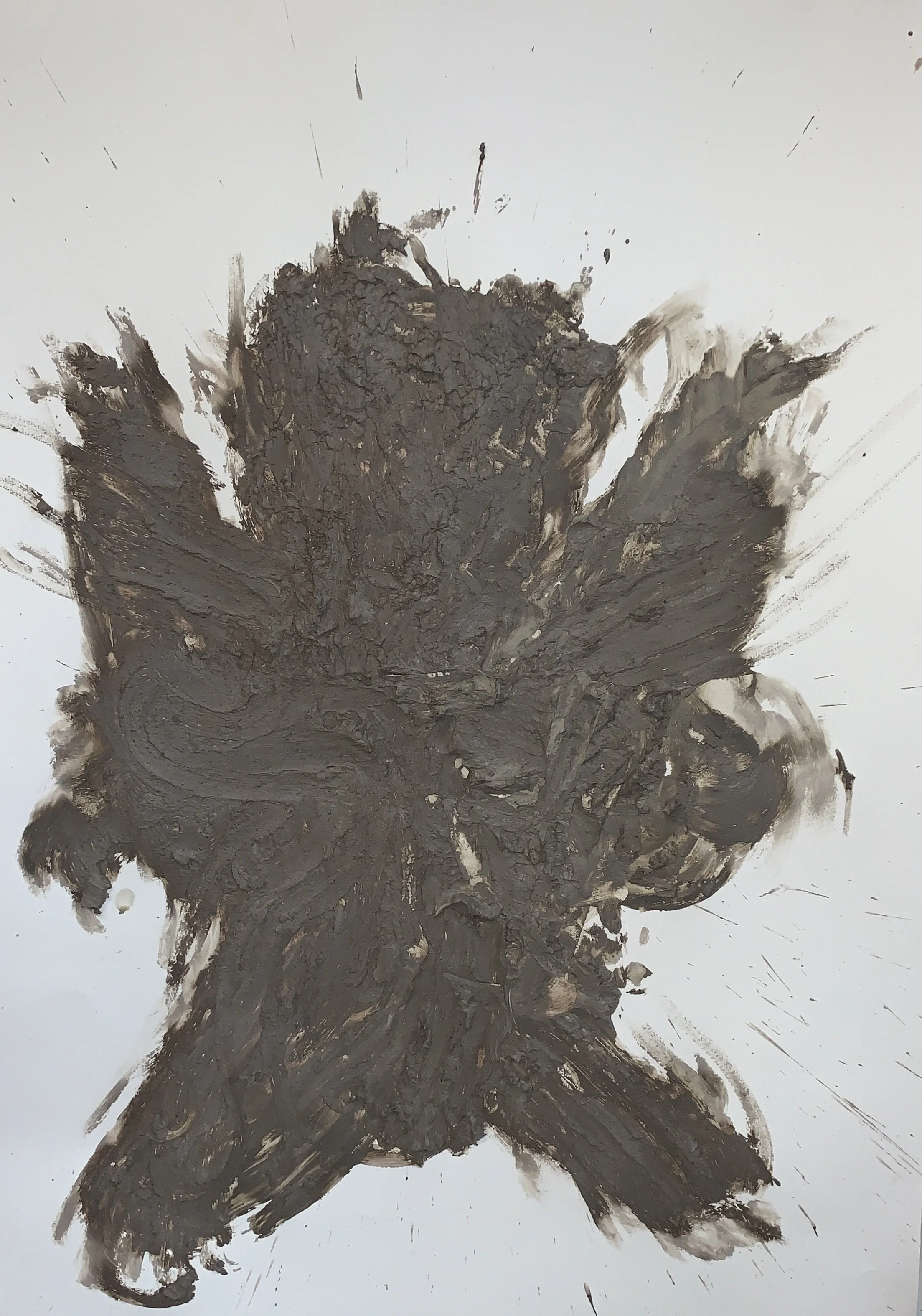
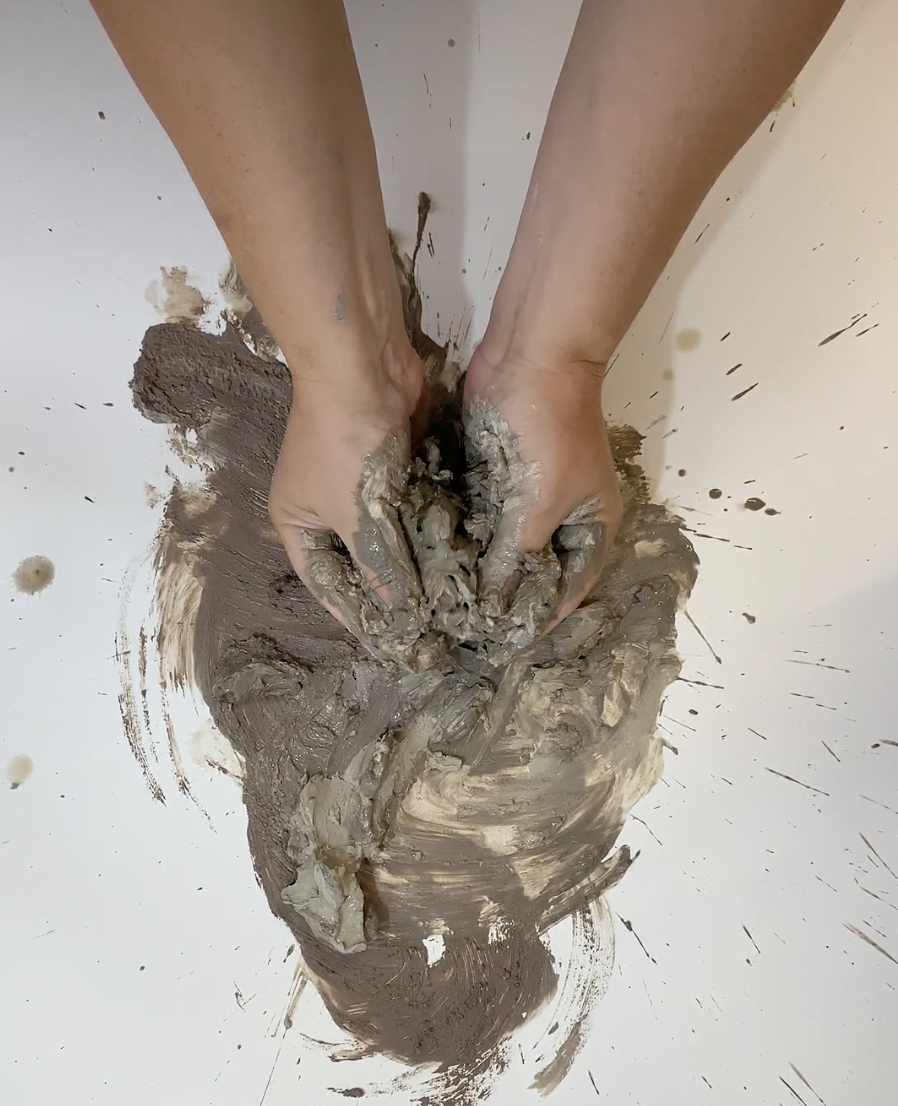
The work made through pressing and moving clay across paper came from this same interest, but in a much more physical way of connecting, and feeling the clay and how it moves and connects with me.
Here, the intention was not to make a recognisable object. Instead, the clay was worked directly with the hands across the surface of the paper. It was pushed, spread, moved and marked.
The hands became part of the process rather than simply tools for making something.
hands moving wet clay on paper
I was interested in the physical sensation of working the clay and in the idea of becoming closer to the material through touch. The clay covers the hands while the hands leave their own marks in the clay. There is a constant exchange between the two.
For me, this became a way of thinking about our physical connection to the earth.
We often talk about the natural world as though it is something separate from us. We protect it, visit it, study it and represent it. But we are also dependent on it. The materials we use, the food we eat and the environments we inhabit all come from wider ecological systems.
Clay makes that relationship very obvious because its starting point is the ground itself.
It also connects the present with a much longer history of human making. Clay has been used for thousands of years to make objects, buildings and tools. Archaeological evidence shows us how previous societies lived through the things they made from it. The material carries this history with it. What begins as something taken from the earth is changed by human hands, transformed through fire and becomes something that can potentially remain long after the original maker has gone.
The work therefore sits between permanence and change.The clay begins as earth. The body changes it. The process records that interaction. Fire fixes it. But the starting point remains the same, Earth.
For me, working with clay is not simply about making ceramic objects. It is a way of thinking through our relationship with the material world and questioning where the boundary between ourselves and the environment actually sits.
Perhaps we are not as separate from the earth as we often imagine, and the material is not just something we use, it is something we are part of.
>>>>>>>>>>><<<<<<<<<<<
Artist name - James von Orelli
Title - Firesand
Description - Imagining the afterlife of the Golem myth.
Firesand
Long have I been silent, though the memories remain clear; I was a protector, a saviour. I was strong. Yet when the Maharal of Prague removed the name from me, I could not withstand him - despite my strength I was helpless to resist him. I became still. Some might call it sleep, but that is a misunderstanding. I do not dream, this is no slumber - I am pure matter, an inanimate thing. Without the name I am only material, nothing more than clay. But I still remember.
I was kept for years in an attic, insensible to all that happened around me. I could not hear the noise of the street nor the prayers of the faithful. When Rabbi Loew died, I could not mourn my maker. The years passed me by and I took no heed. Men approached me and did not recognise me, they took my body and shattered it, finding different ways for me to be useful. My broad chest was fractured into roof tiles, my left shoulder repurposed as a dish, my great feet became flower pots. I was passed around, from hand to hand, serving anywhere I could.
My body was ground down and I was split into shards, growing ever further apart. From dust I was formed and dust I became once more. The potters took me up by the handful and cast me into the kiln. Chamotte, they called me, firesand, grog, but these are not the names I need. They remade me into jars and bowls. I was a brick in a fireplace, subjected to daily scorchings. I was the jar that held the oil of anointing.
Again I cracked and split apart, again I was reused and remade. I have travelled the world and endured the centuries, oblivious to all, but still I remember and still I hunger for the name. That single word by which I would be made whole, by which every speck of clay could be drawn back into a single form and I could stand and see. That vital word which would give me back myself.
Until then I am content. I shall continue to serve in a thousand vessels, continue to lie on the bottom of unnumbered ovens, baked into glass-like brittleness. I shall be ever useful, ever useless, and, one day, I shall return to Prague.
>>>>>>>>><<<<<<<<<<
Artist name - Sarah Strachan
Socials -@sarahstrachan
Website - www.sarah-strachan.co.uk
Title - Shared water, contested water
Description - Issues of climate change and contested water in the Middle East’s ‘Garden of Eden’ are explored through the development of a series of clay sculptural objects. These contemporary artefacts seek to exemplify politics and geology as inextricably entwined and provide a link between the paleoclimate archive and the future demand for water. One of the vessels, used for filtering polluted water, is made from clay sourced from Al-Hammar Marshes in Southern Iraq (brought to Cambridge by Nawrast Abd Alwahab – visiting scholar from Iraq to the UK in 2018).
BIO - Sarah Strachan is a transdisciplinary artist who explores ideas through printmaking, painting and ceramics. Her works, which often incorporate sound or moving-image, centre on environmental changes. Installations like Shared water, contested water are sparked by through deep conversations with people, place, the land and the materials and objects associated with these. Collaboration is an important element of her practice, as an independent artist, creative tutor, or part of a collective. Selected as one of the top 25 emerging artists in the UK at the British Ceramic Biennial, Stoke-on-Trent (2021), Sarah is an award-winning artist in ceramics (ArtNumber23 Open Contest, Greece (2020)), sculpture (Art Resilience, France (2022)) and sustainability (Sustainability Art Prize, UK 2021 and 2022) and has exhibited widely. She lives and works in Cambridge where she completed an MA in Fine Art in 2022 following a career pivot to focus on her art practice in 2017.
SHARED WATER, CONTESTED WATER
by Sarah Strachan
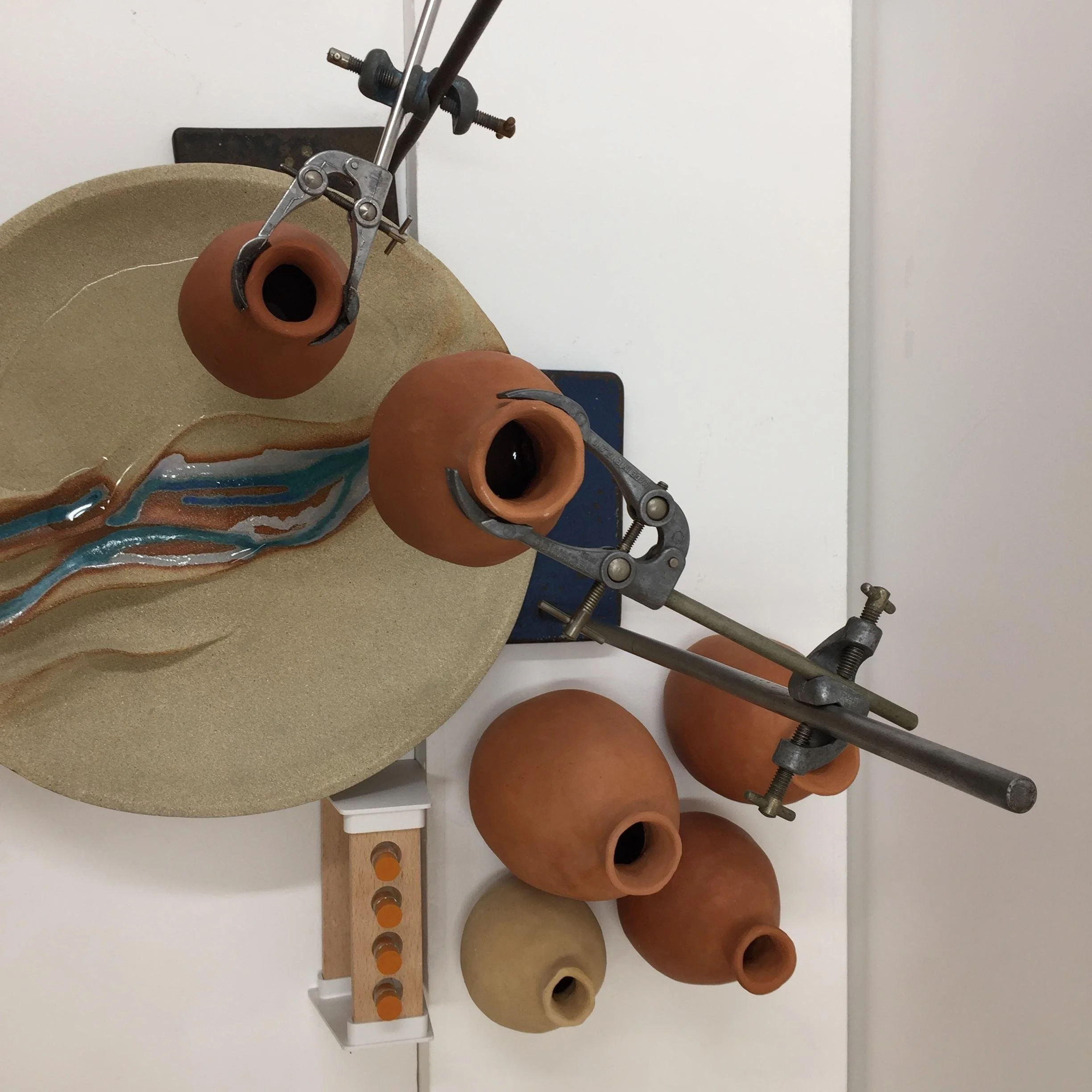
Shared water, contested water was inspired by issues of climate change and contested water in the Middle East’s ‘Garden of Eden’. Earth as recorder, kiln as creator, clay provides a historical link between human and nature - between the paleoclimate archive and the future demand for water. My first sculptural object was a response to the geographical location of the Al-Hammar Marshes in southern Iraq, the lands between two rivers - the Euphrates and the Tigris.
Shared water refers to integrated river basin management as the best approach to conserving the world’s freshwater resources through managing river basins sustainably, contested water to the geo-political issues preventing this in the region. I’m always wary of the dangers of framing a situation with my own perspective (an outsider, looking in, so to speak), so the opportunity to work directly with the clay samples, collected by Dr Nawrast Sabah Abd Alwahab, helped to negate this by providing a deeper connection to the material, its custodians and its origin.
FROM SUITCASE OF MUD TO FREEZER BAG OF DUST
“I was telling Nawrast (curator of our exhibition in Basrah) about your project and she said if you want to use the clay she brought over from southern Iraq to Cambridge earlier this year you can” writes Kelcy Davenport in her email. “It would seem to draw out a stronger connection between the clay and the contested landscape in your work” she continues. “Absolutely”, I replied. “That would be amazing”.
Communications with Nawrast were hampered by connectivity and social media security concerns – providing just a glimpse into the everyday challenges of living and working in Basrah. So whilst the exhibition loomed closer, with no confirmation that the samples would still be at the geoarchaeology laboratory, my anxiety about letting the curators down was tempered by a sense of situational perspective.
I imagined the clay samples would be large, cylindrical core sections that would require intensive processing, after all Kelcy had talked about Nawrast filling her suitcase full of mud instead of clothes. Would I have time to process the raw clay deposits and experiment with construction? I picked my technicians’ brains and watched endless YouTube videos on reclaiming and processing clay. Then, at last contact from Professor Charles French (Charly), the UK custodian of the precious clay samples. He suggested I should meet him in his academic office for the handover. Having tracked down Charly’s office in the imposing McDonald Institute for Archaeological Research, to my surprise, he handed me a grip seal freezer bag containing 13 mini bags of fine dust. While he was asking me about what I had planned for the samples, I began weighing up the situation. On the downside - a lot less clay than I’d imagined, on the upside – beautifully pulverised and sieved, I thought. I described my plans to use the samples to make a clay vessel, at which point he enquired: “Did Nawrast tell you where the samples came from…they’re alluvial deposits” he continued. “Probably mainly limestone” he suggested. “Have you done any chemical analysis?” I asked. “No, not yet but I doubt it’ll be any good for making pots, you might be able to add it to a glaze” he replied. Just as I was leaving he added “If you have any left can I have it back because of its scientific value”. “Sure, no problem” I responded. Even more precious dust than I’d thought.
As I bundled the samples in my rucksack, I was engulfed by waves of doubt and so many questions: Was this even clay? Where did the suitcase full of mud go? Why hadn’t they analysed the samples? How was I going to make a pot out of this dust? And return any of the valuable dust for scientific research? What if it didn’t go to plan? What if I failed? What was my back up plan? Maybe I should play it safe and blend it with some commercial clay? Or make it into a glaze, as Charly suggested?
FROM DUST TO VESSEL
As an artist I think through making so, as the dust to vessel process began, I started making pots from terracotta clay, fashioning a kind of prototype using primitive methods sympathetic to the Marsh Arab’s baked pottery of Mesopotamia. A hib is a large terracotta vessel used for filtering polluted water and I started experimenting with different additions to the clay body to increase its porosity. As I researched further, I began to develop an uncanny affinity with the village potters (fakhkhar in Arabic), women usually of middle age, who are acknowledged to have special talent in making pottery.
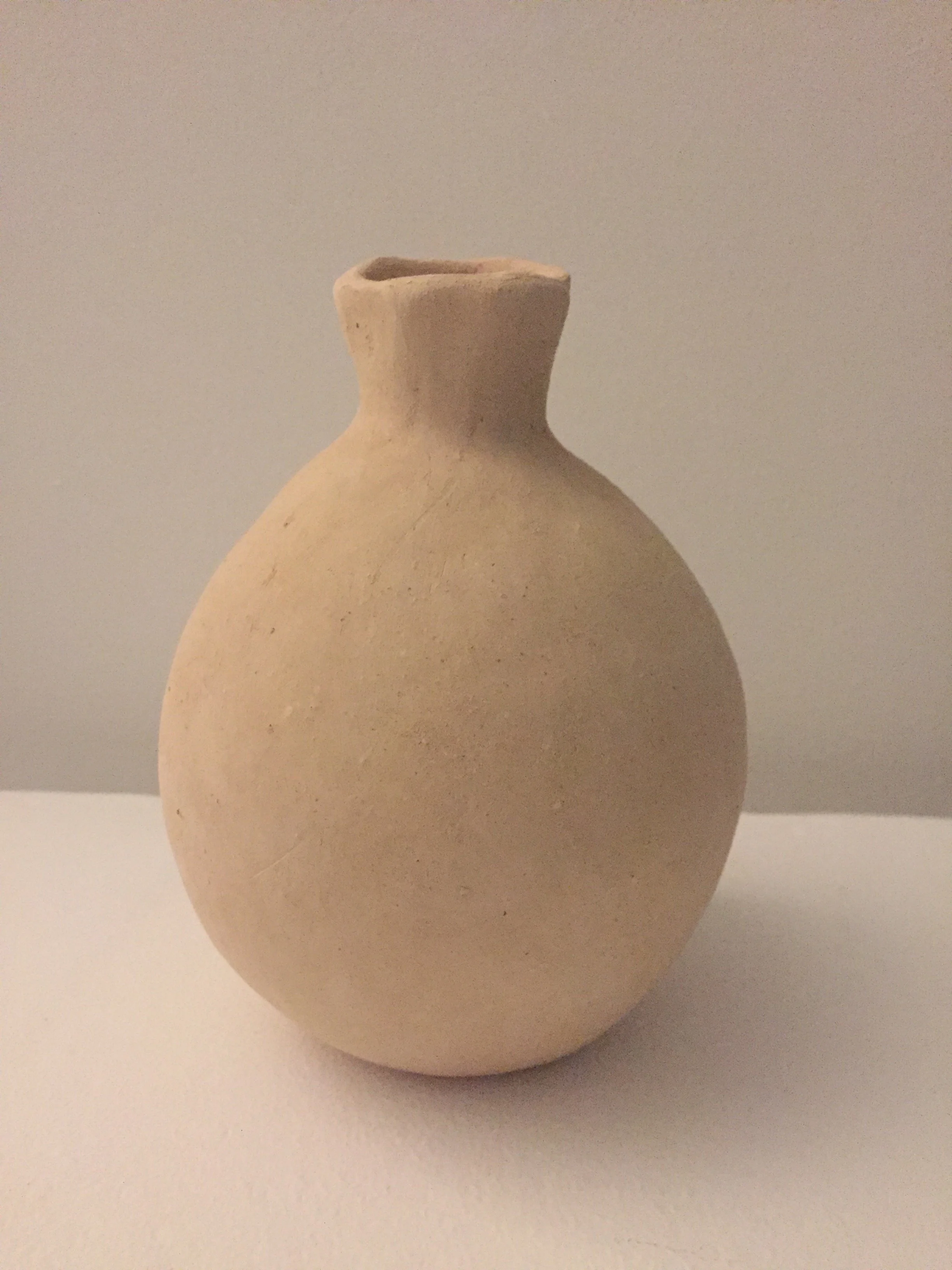
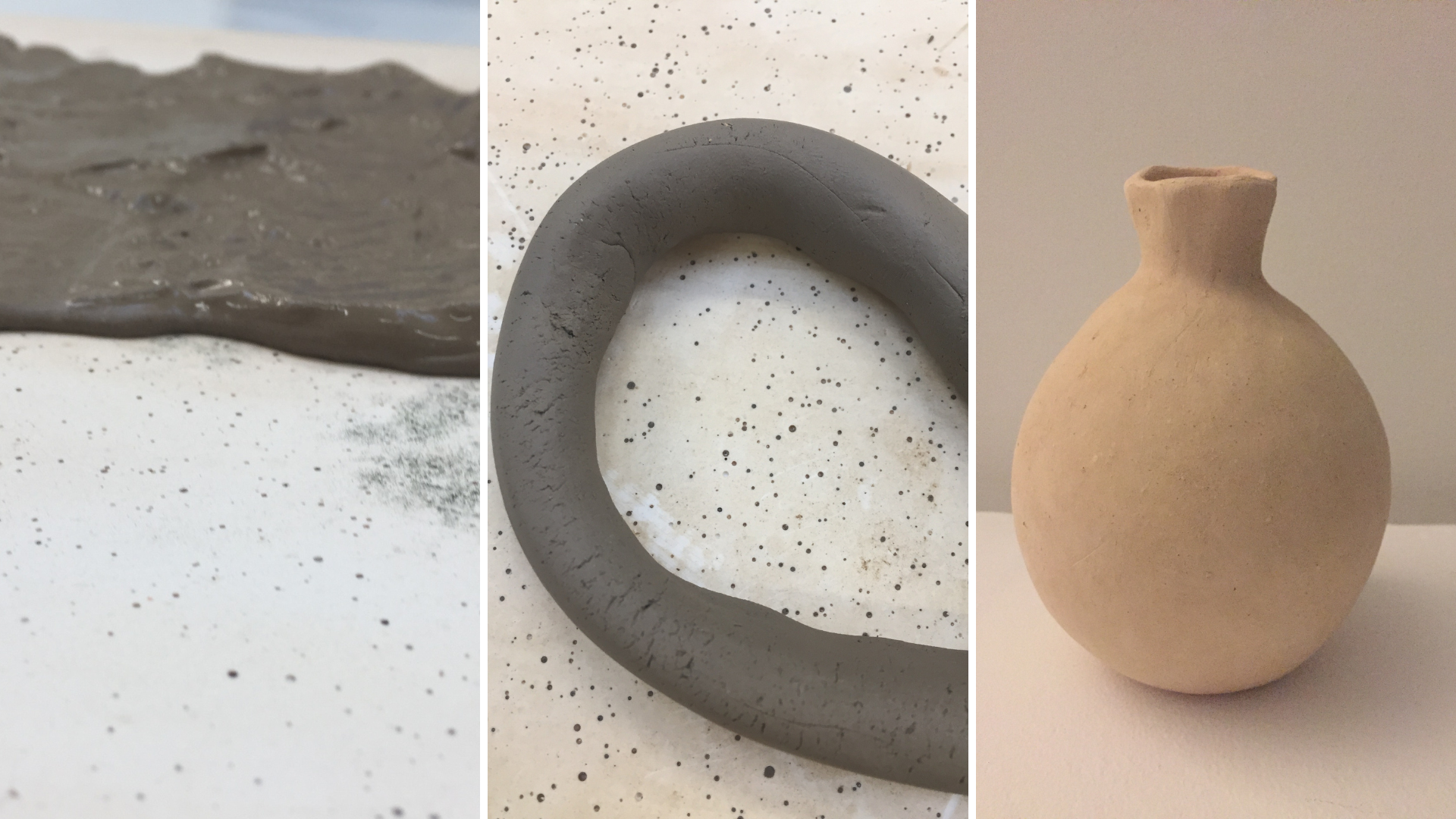
Mixing the carefully separated samples together in a glaze bowl felt like I was committing some kind of crime against geological science, but I kept just a thimble full of each sample back in the name of research. Once immersed in water, the particles swell, disintegrate and ‘slake down’. The slurry poured out onto a plaster bat to dry and then wedged into a workable material. To my amazement it passed the coil test for clay content and I quickly fired off an email update with photographic evidence, a kind of message of hope, to Nawrast and Charly. Next came the pinching and coiling, a whole day compressing and smoothing the particles into alignment and another fighting the cracks as it dried out. Then on one Thursday morning, it went into the kiln for firing and we waited. Friday came and went and the kiln still hadn’t cooled down enough to be opened. It was a long, nail-biting weekend but I spent the time wisely on my exhibition back up plan – a photo book, documenting the process from dust to vessel, in case the precious cargo exploded or vaporised in the kiln. To my relief, on Monday morning a light-weight, peach-hued vessel graciously emerged from the kiln – perfectly intact.
Responding to the unrest in southern Iraq over poor government services, corruption and a shortage of potable water, I focused on the clay vessels as a basic method of water filtration and incorporated them into an assemblage of objects – Shared water, contested water.
Working with such a precious and challenging material acknowledged my confidence as a potter. The work, I hope serving as a tribute to the material, its custodians and its origin.
>>>>>>>>>>>><<<<<<<<<<<<<<<
Artist name - Jo Lamoureux
Socials - @jolamoureux.ceramics
Website -www.jolamoureux.co.uk
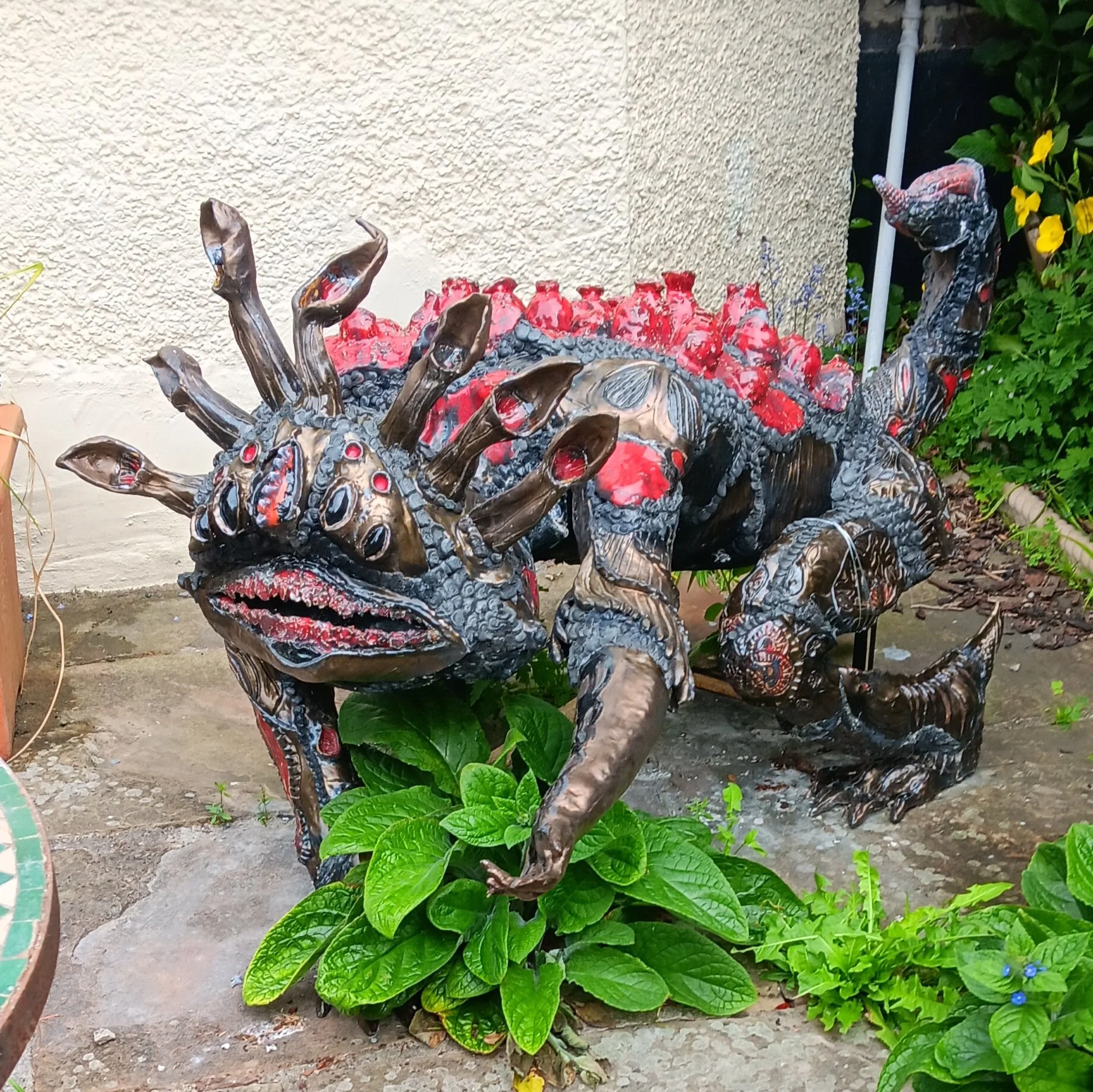
Title - Haeckel's Chimera
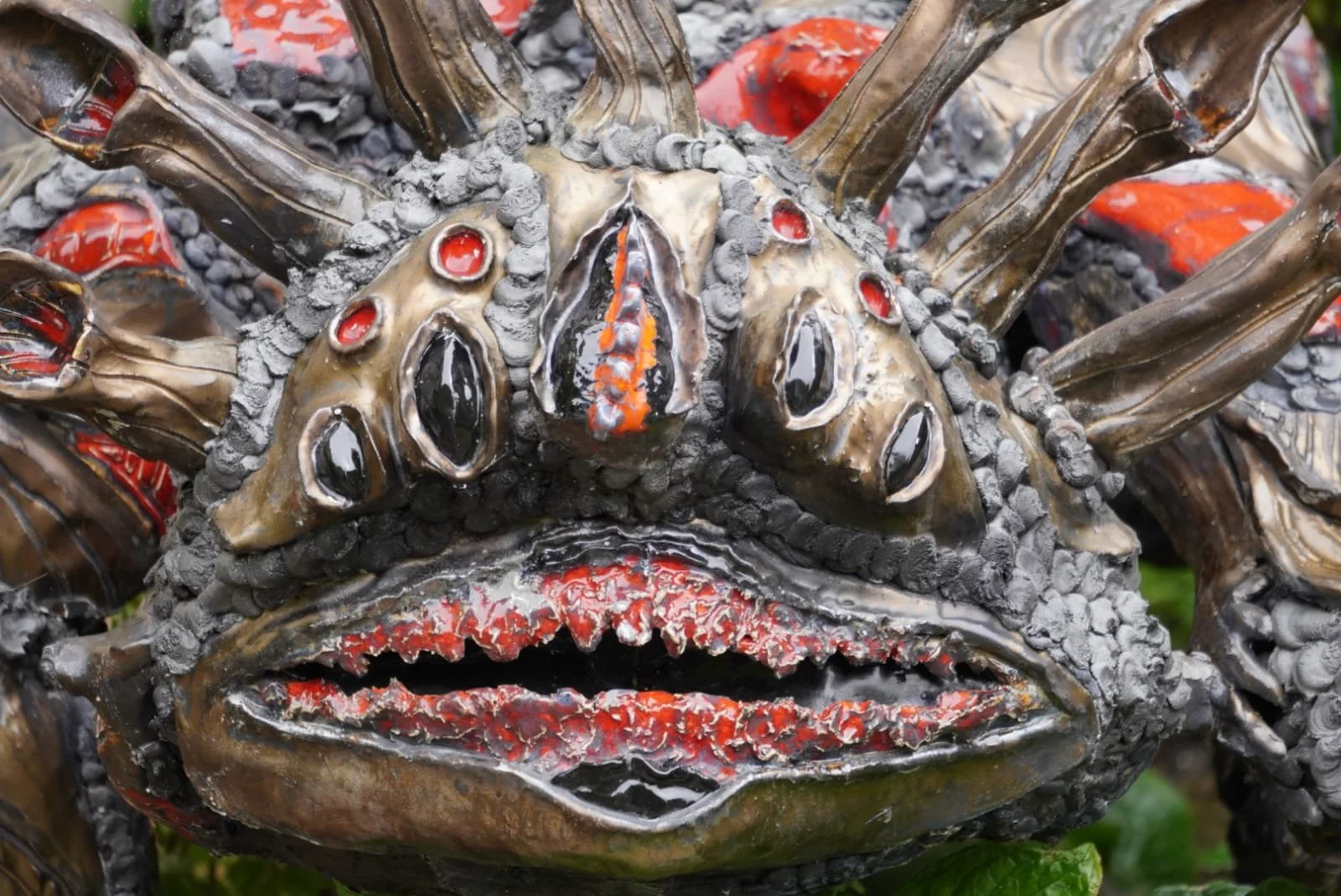
Description- Haeckel’s Chimera is a large-scale, multi-part ceramic sculpture developed over six months through an intensive, layered making process. Built around a welded steel armature and bulked with foam, the form was gradually covered in clay, then carved, detailed, cut into sections, and carefully removed for firing. After firing and glazing, the work was reassembled into a single, unified sculpture. Inspired by Ernst Haeckel’s Art Forms in Nature and the intricate fusion of human, animal, and ornamental structures, the piece draws on over 100 pen sketches of imagined creatures and plants. Blending anatomical reference with invention, including a cast of the artist’s own arm, the sculpture explores transformation and metamorphosis between human and creature.
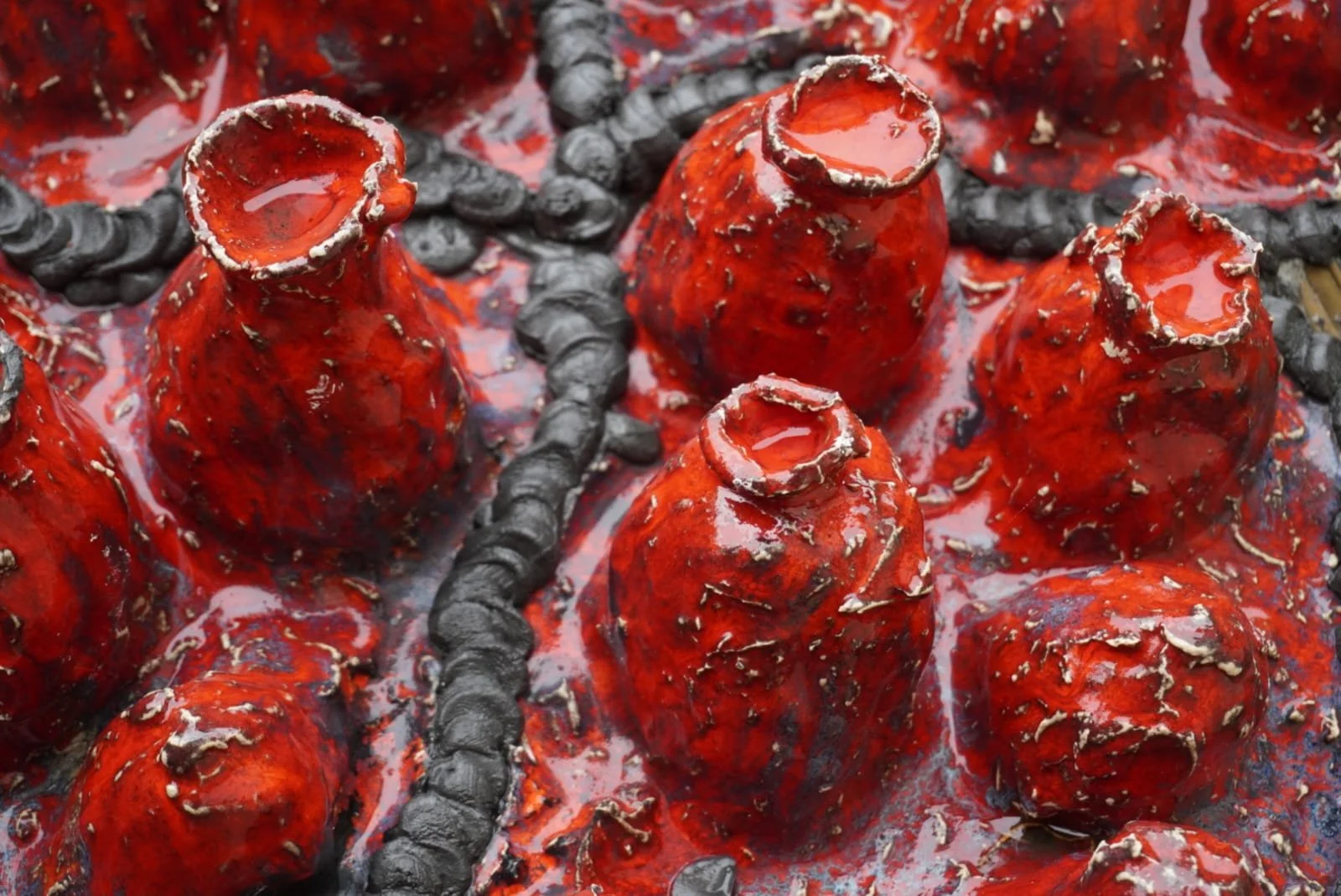
Concept - I took to social media for inspiration and joined a popular art challenge on Instagram (@the100dayproject). The rules were simple – you could pick any creative activity and commit to spending some time pursuing this activity every day, for 100 days in a row, and post the results on social media for accountability. I chose to use Ernst Haeckel’s Art Forms in Nature book (Haeckel and Breidbach, 1998) with gorgeous botanical and embryonic animal illustrations, and drew a small pen sketch every evening detailing a different creature. I enjoyed collecting and interpreting the detailed drawings from this book and seeing them build up day by day was very encouraging. I decided to combine several of the individual drawings into a digital collage and created this lion-like creature. My sketchbook research also included human and animal anatomy, ornament and decoration, the ancient Mayan calendar, and carved rocks and metals. I decided I was going to make this fantasy creature with carved and metallic surfaces, animal parts and ornamental details – a fusion of natural and the extraordinary. During my research, I came across an artist called Diana Kersey from San Antonio, Texas. She makes large sculptures for public art commissions, and I was fascinated by her technical process. She handbuilds large ceramic pieces from heavily grogged brick clay over a polystyrene armature, then divides the sculpture into sections and fires the pieces separately, before taking them to the install site and building the sculpture in situ, cementing it into place (Kersey, 2024). All of my previous sculptures have been freestanding ceramic pieces, so to push my technical skills and use different materials, I decided to emulate Kersey’s process and see how this could be replicated at a slightly smaller scale.
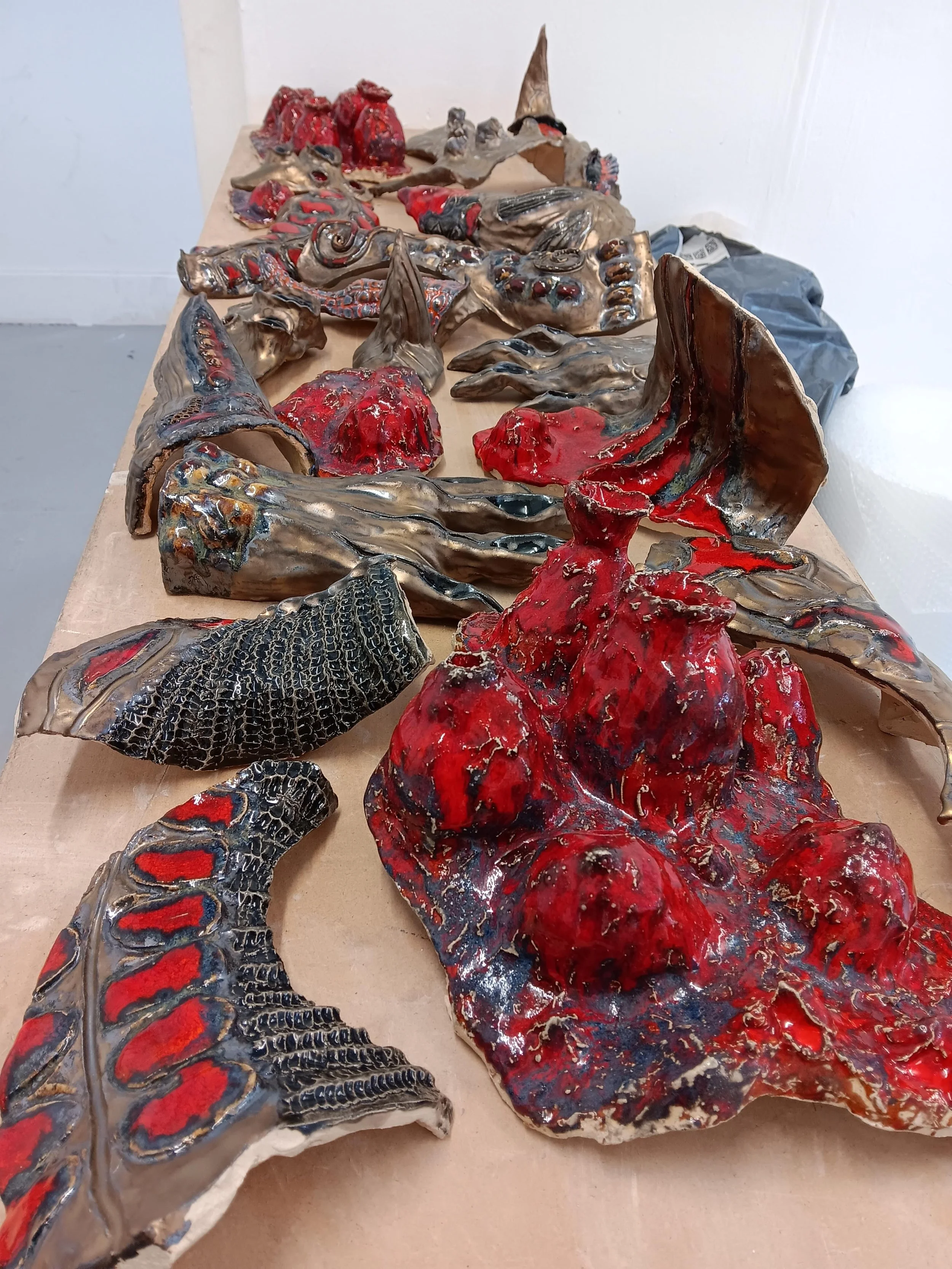
Process -I started with a small wire maquette to accurately visualise the creatures form and pose, before scaling up to make the full size steel armature. To add volume to the skeletal steel frame I attached packaging foam, filling up any gaps with expanding foam then trimming into shape. The structured armature provided much needed stability but also left an element of spontaneity for the clay work. After covering the model in a layer of clay, I used the rest of the 100 drawings as the basis for the surface textures, changing the scale to fit different sections and carving it into the clay. I wanted to suggest a transformation between human and creature, so I moulded and cast my own arm to be incorporated into the piece. All the pieces were carefully dried over several weeks, bisque fired, and then glazed using a combination of commercial glazes for ease, consistency, and reliable results. I attached the glazed ceramic pieces to the frame with a combination of tile cement and canvas strips, a section at a time. Once all the pieces were dry and secure, I applied charcoal grey grout to complete the surface of my model. And here is the result – a large scale, multi part ceramic sculpture with steel frame, held together with tile cement. I’m very pleased I took on an ambitious project and tried new materials, and really enjoyed working at such a large scale.
XXXXXXXXXX