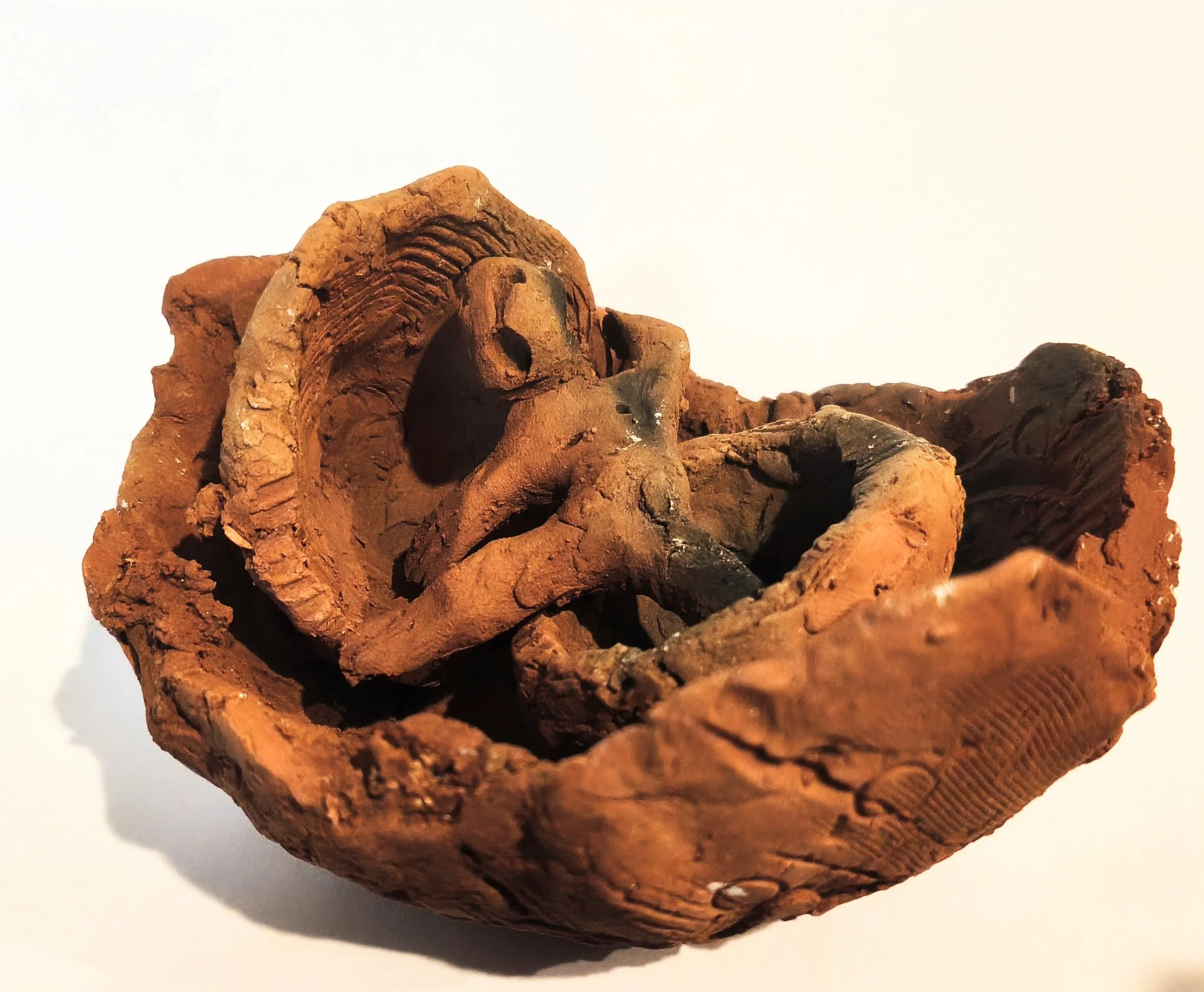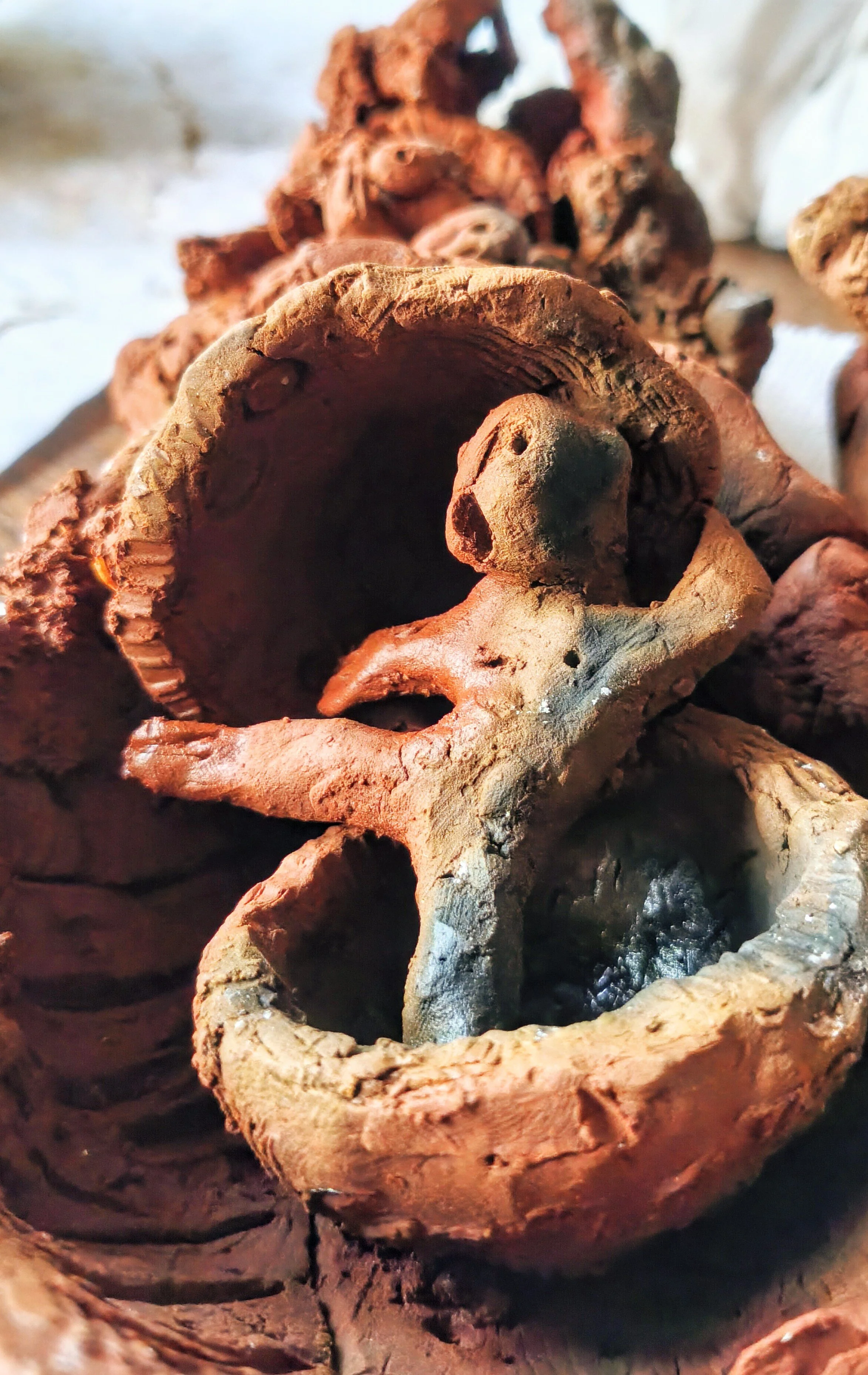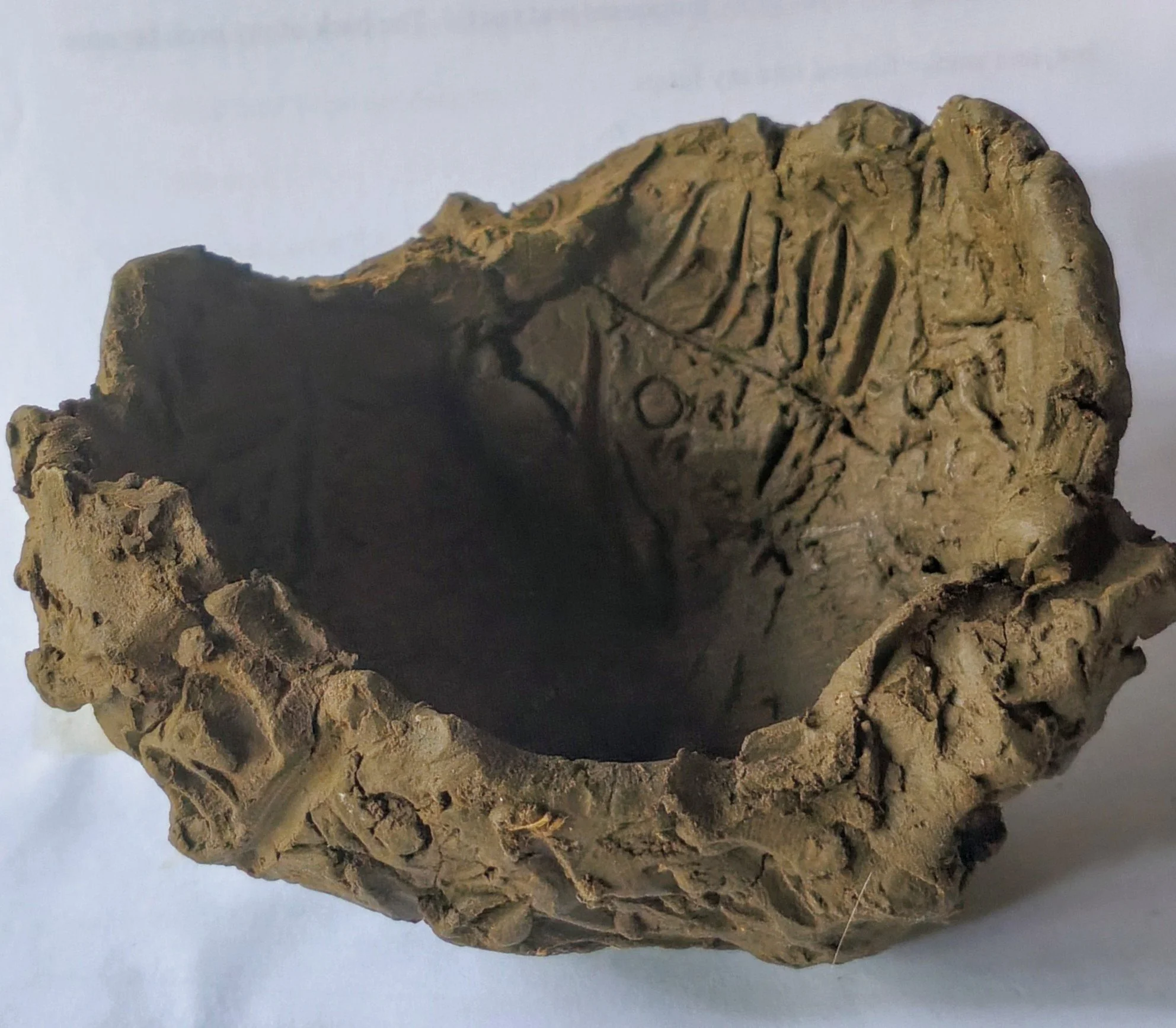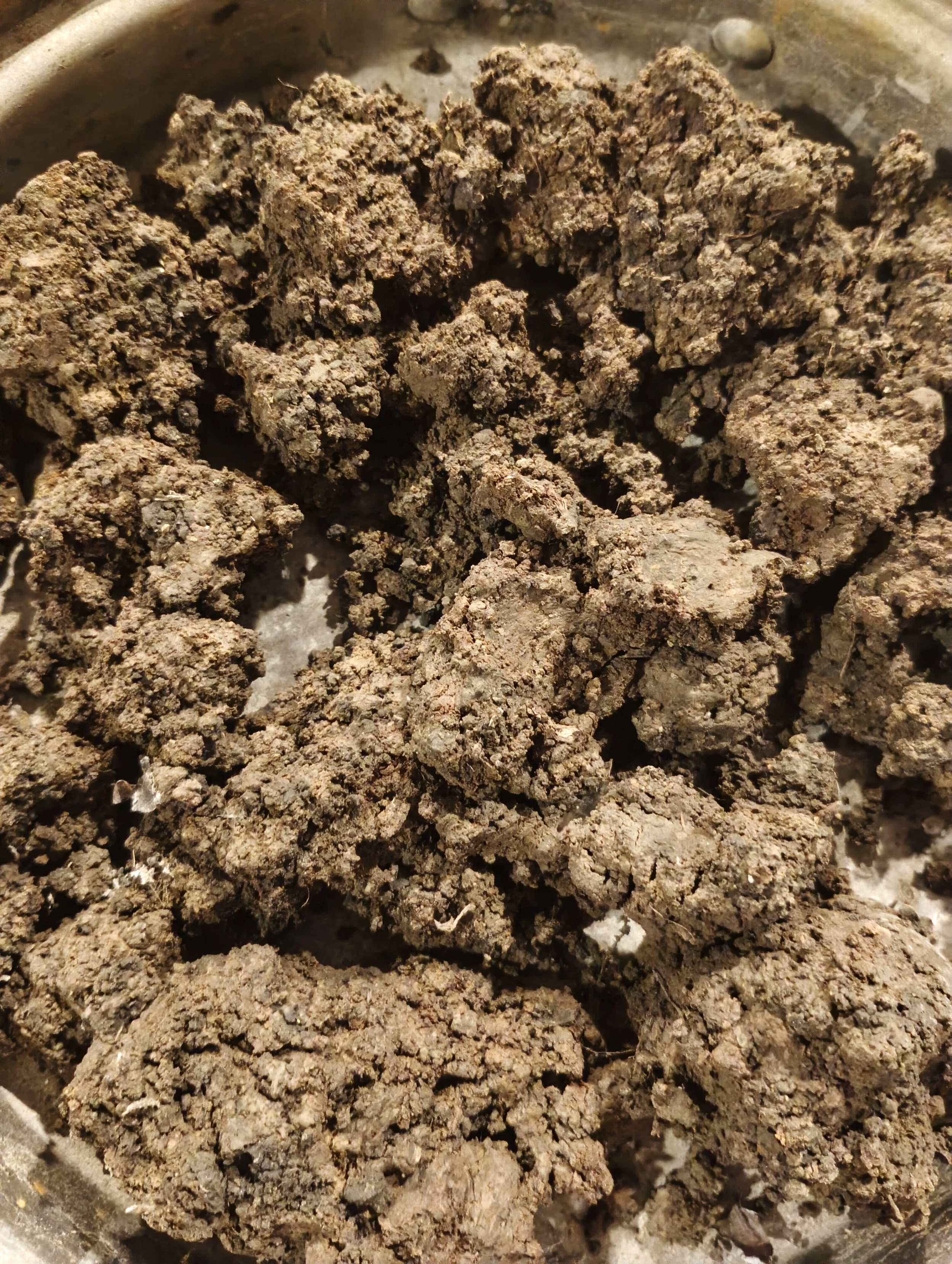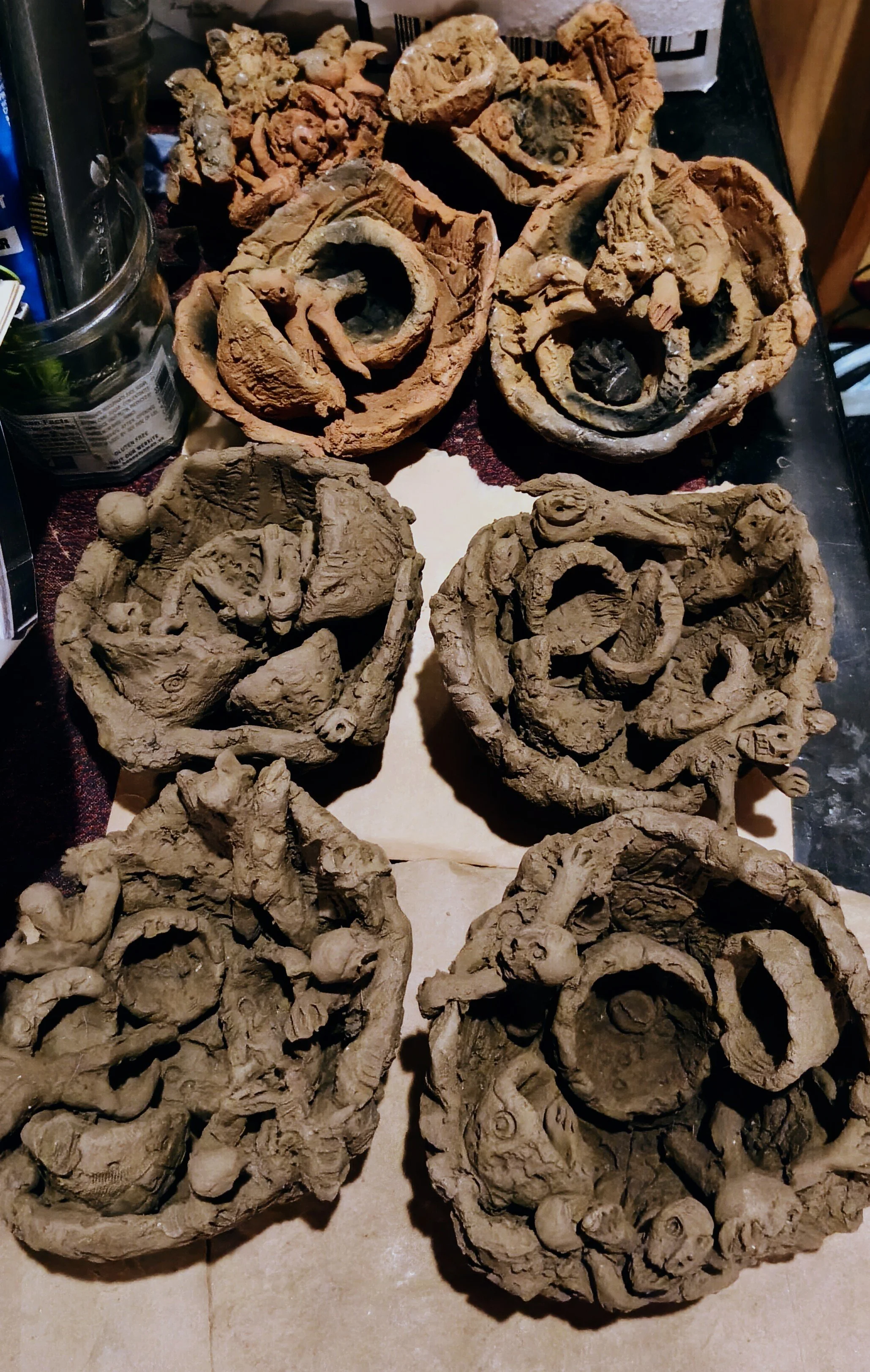
This is how Chris wish’s the three month of this residency to look like…
1) Recognizing, digging, cleaning and processing natural clay deposits. Preparing the clay for hand-building ceramic work. Design, and construct creative work.
2) Drying the ware, and scavenging materials to build a kiln. A description, a working diagram with dimensions, and step by step instructions for building will be provided. Other pertinent information, such as picking the most adequate, and the safest location for firing, and finding the best fuel for the firing.
3) Firing the ware. Cooling, unloading, and examining the attributes of what makes a kiln firing ultimately successful.
Children of the Shrine: On Becoming a Self-reliant Ceramic Sculptor
" When I first started creating work with clay, I was a child in Puerto Rico. I was making small figurative sculptures at a local art center and gallery, Casa Candina. The clay we used was shipped from Miami, Florida, in the United States. When I went to college at Bennington College in Vermont, USA, I was introduced to creating my own "clay bodies" by mixing various different types of dry clays from across the country. It wasn't until my first Artist Residency in 1995 at "Altos de Chavon, a satellite campus for the Parsons School of Design, NYC that is situated in the Dominican Republic, that I first dug my own local clay. I was fortunate to have experienced potters to educate me on the "ins and outs" of finding, refining, and firing native materials.
Since then, I've been using various local clays from around the world, and the actual attainment, and origins of the material has become as important to my creative process as the final product itself.
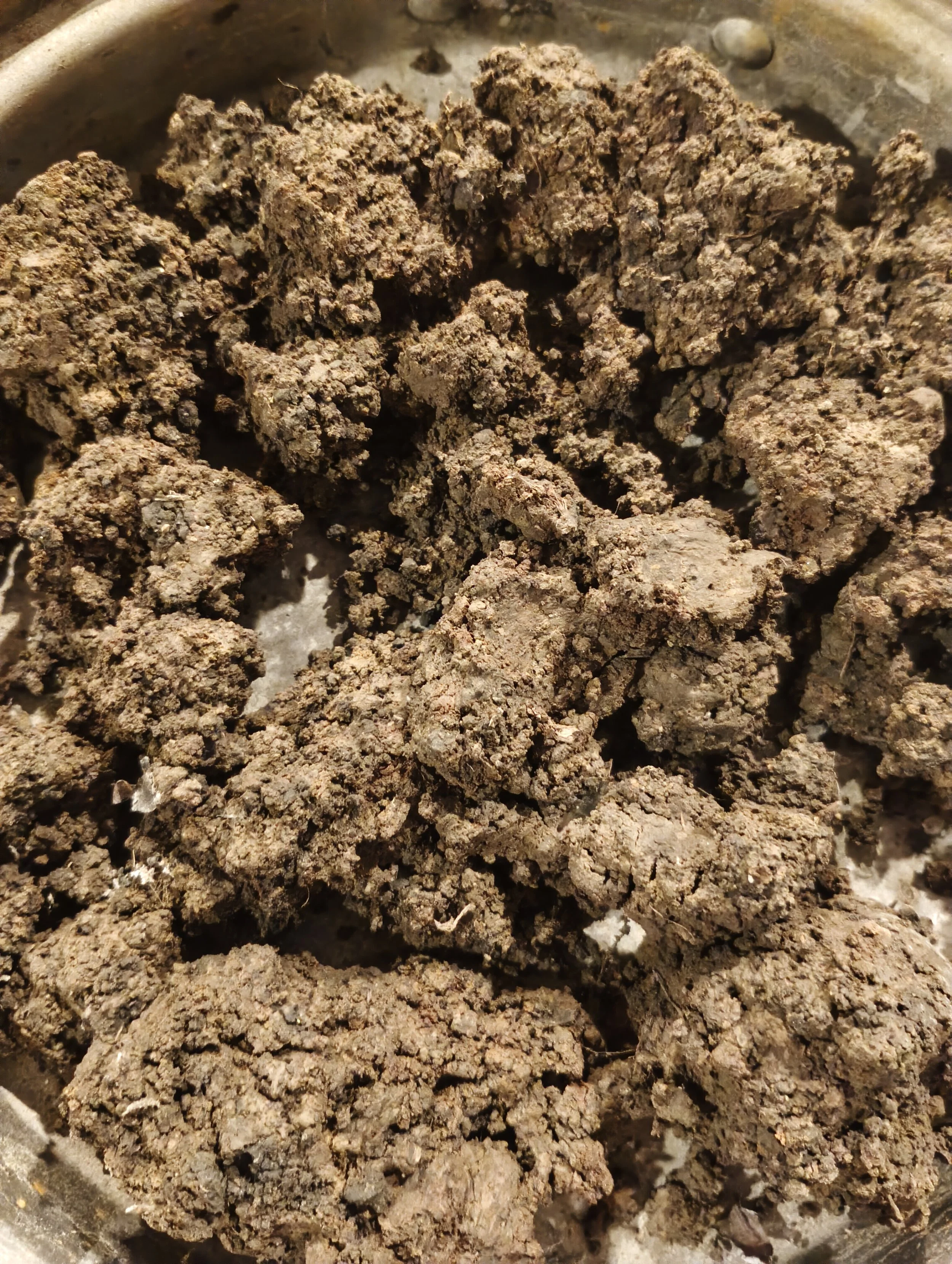
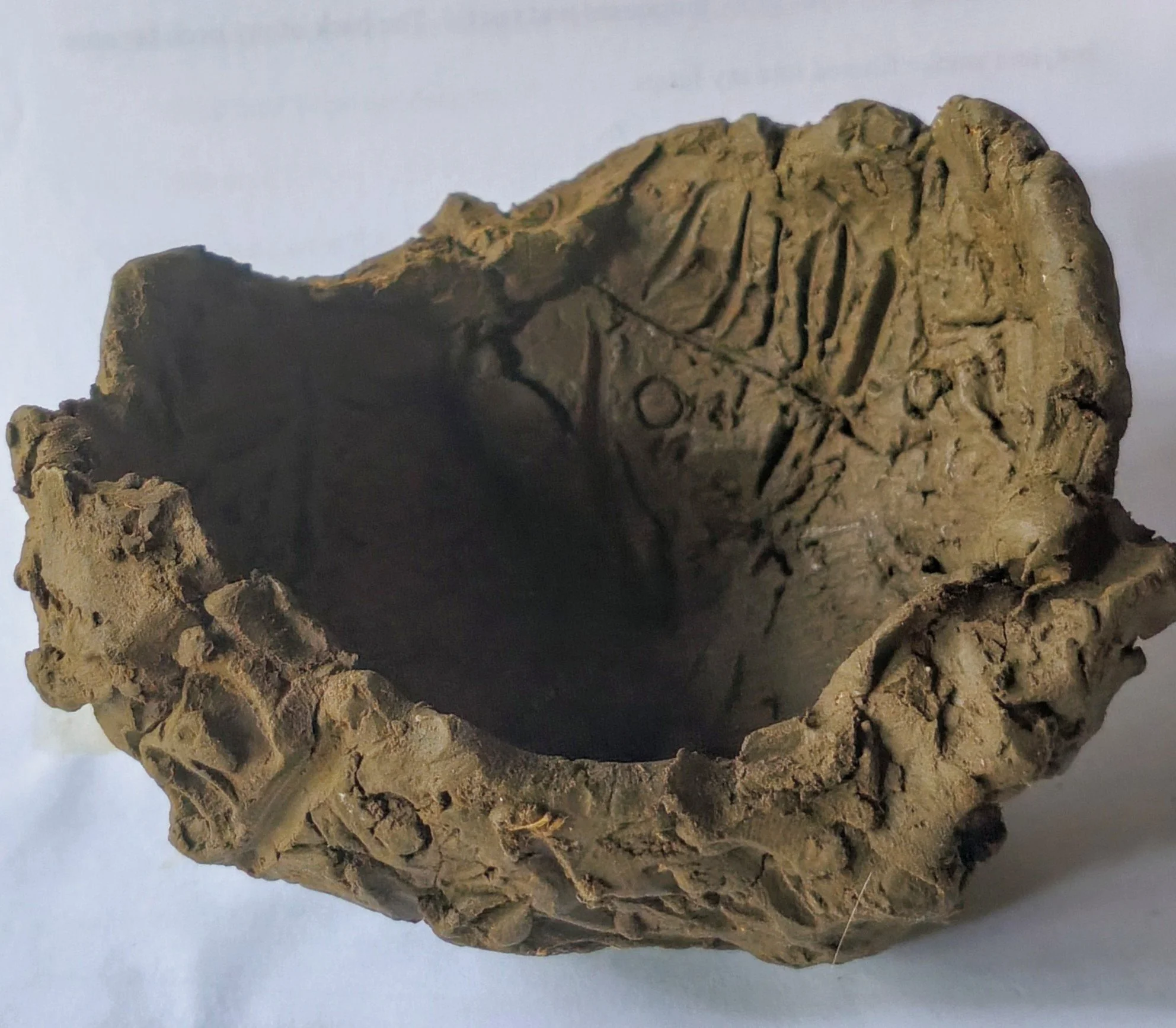
For this current series of sculptures, I dug the clay from the front yard of a friend's home. The clay had been uncovered after recent construction work on the edge of her property. Her house is adjacent to a local cemetery that dates back hundreds of years.
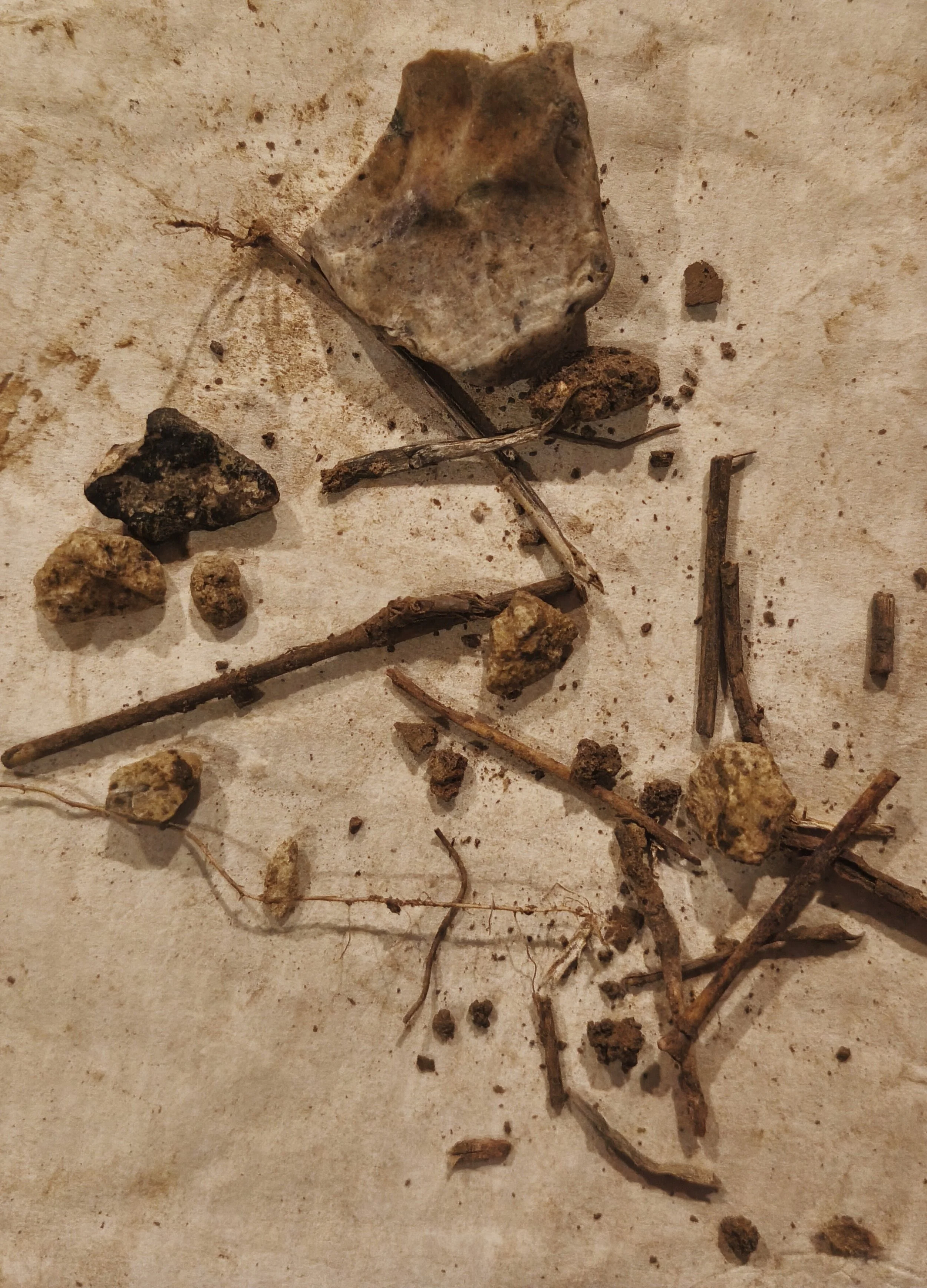
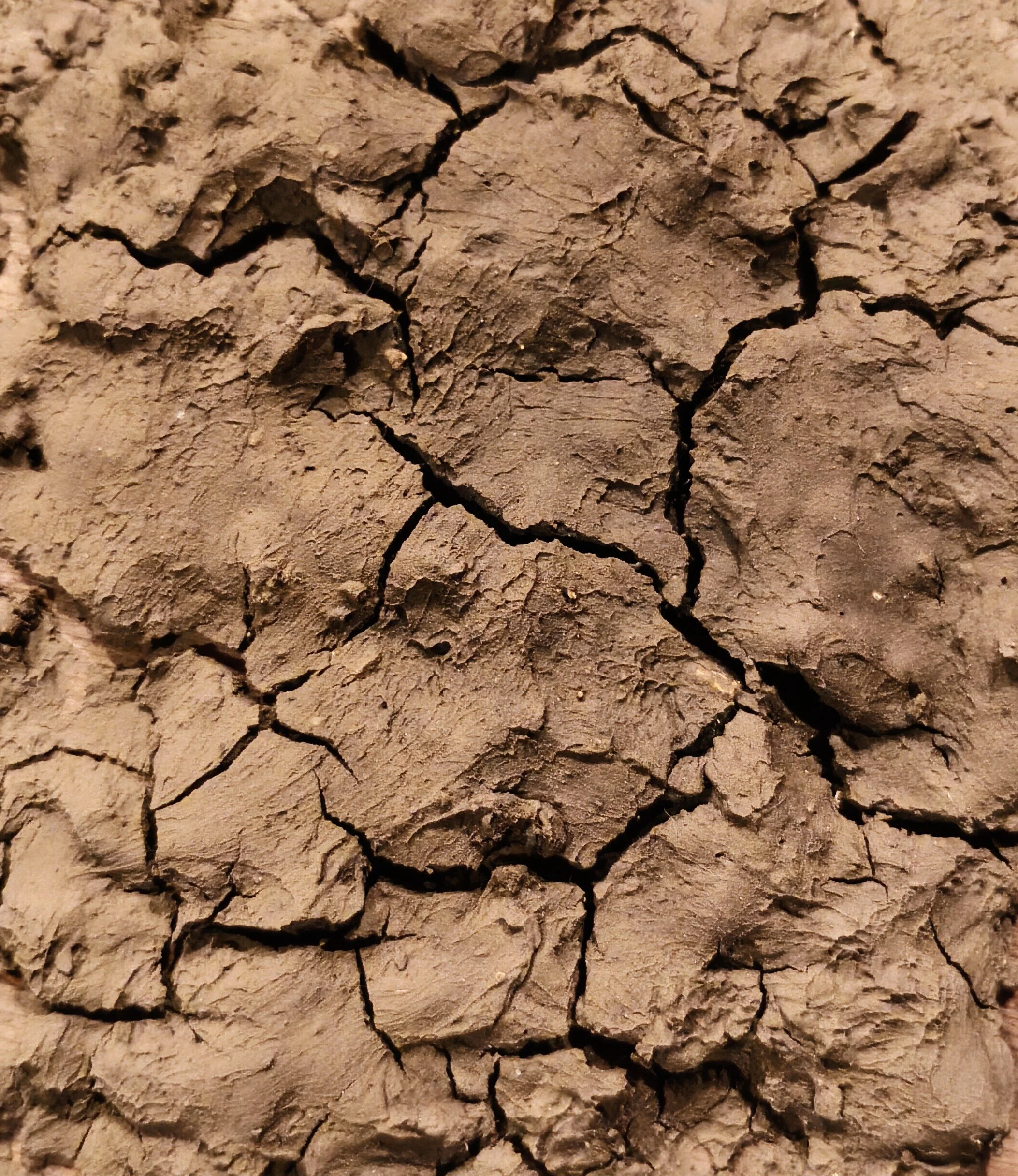
After sieving the dry clay, removing pebbles, plant roots, and other foreign materials, I added water, and wedged the clay until it was of one consistent, and pliable texture. The clay was then wrapped up in a plastic bag, and allowed to "rest" overnight. That extra time assured that the clay would have time to absorb all of the water, achieving a fully "homogeneous" consistency.
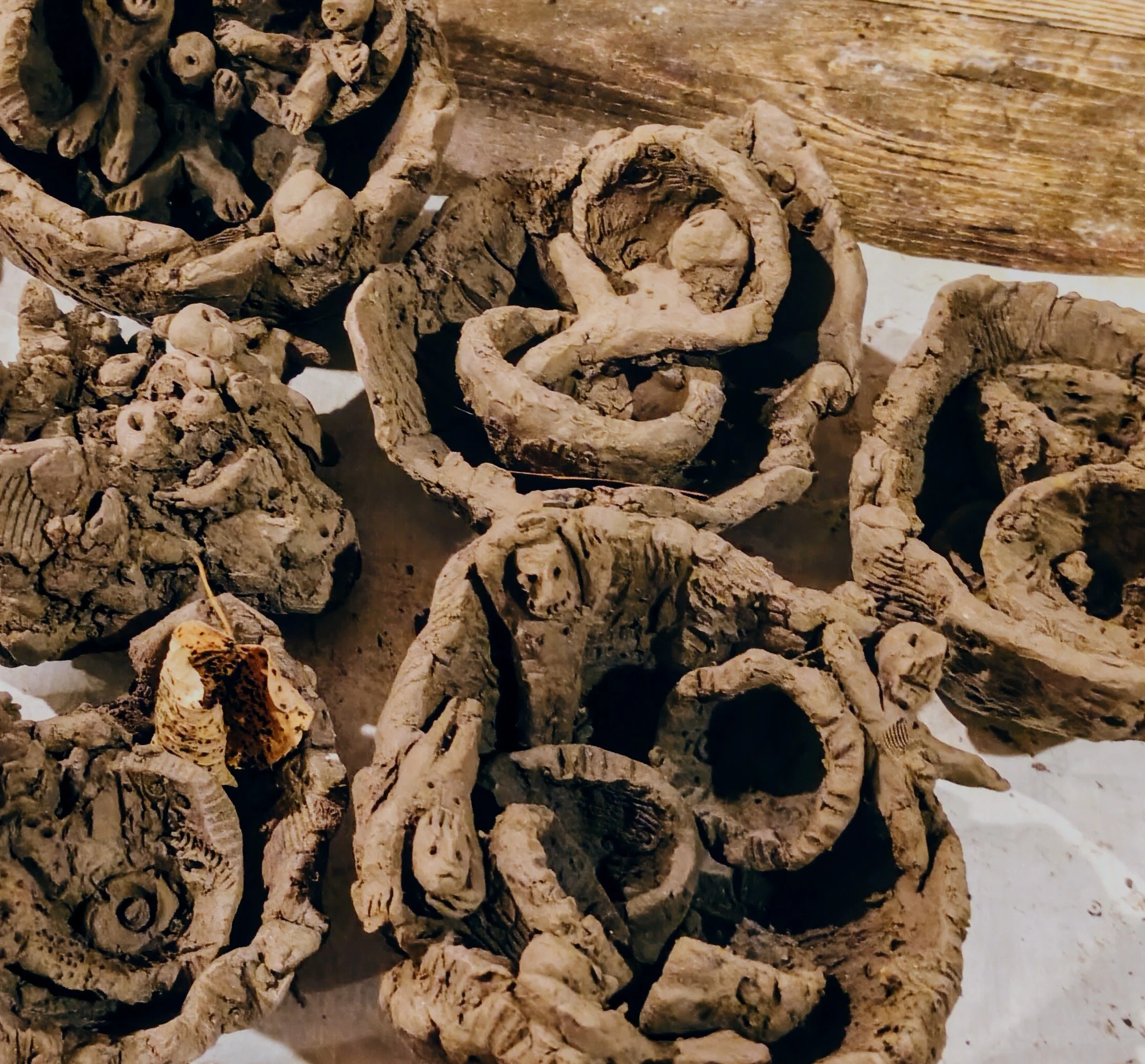
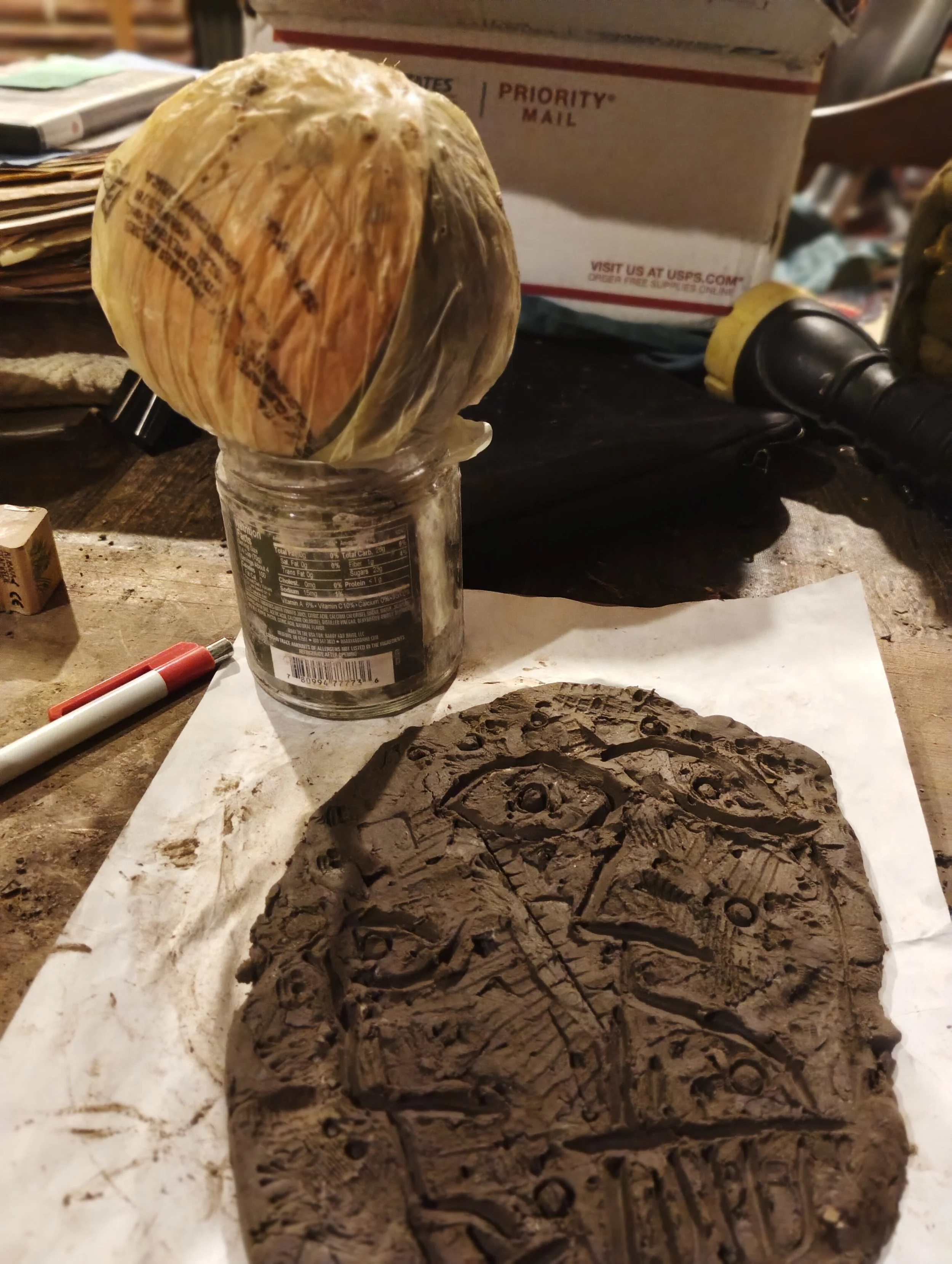
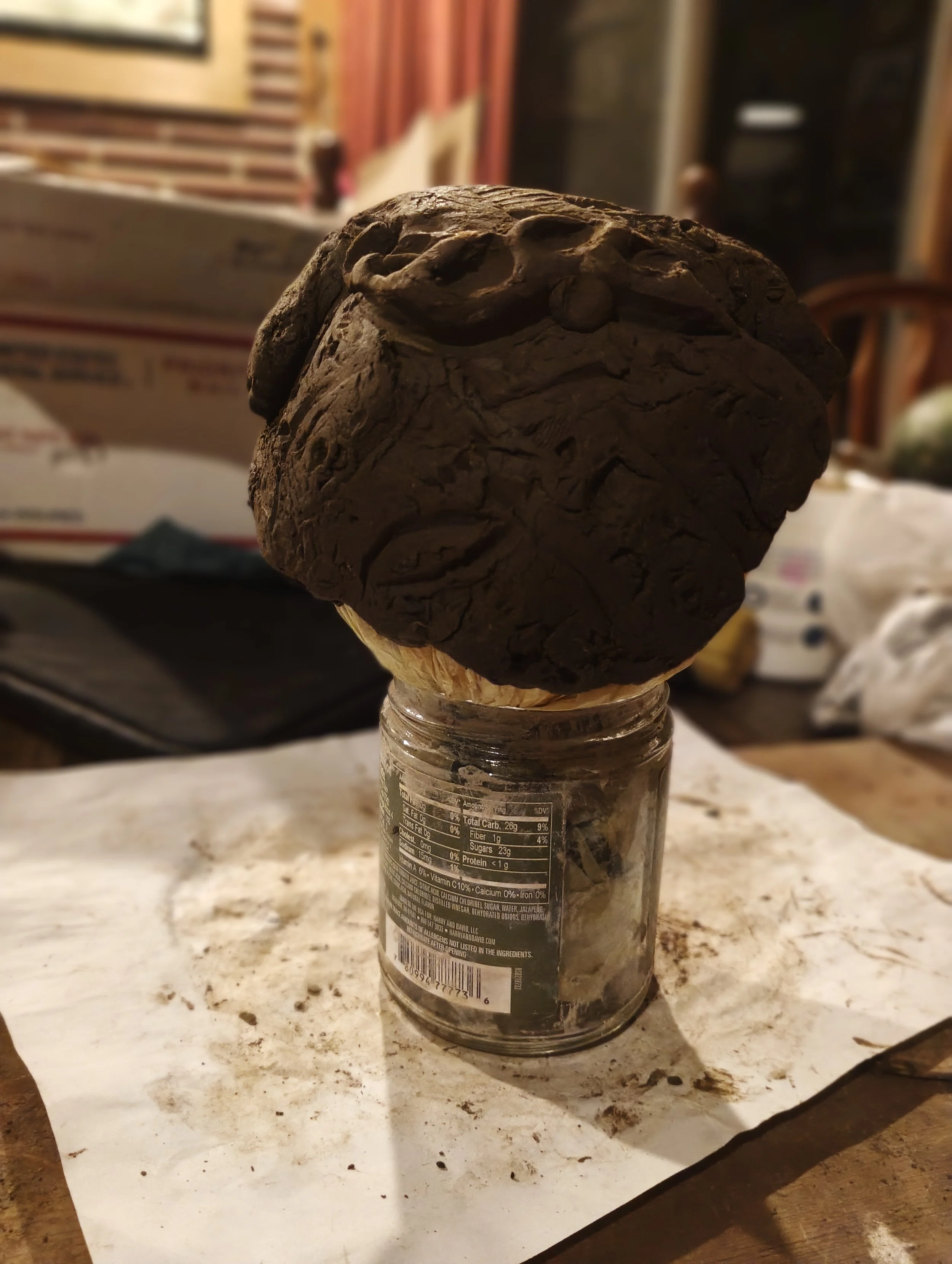
The following day, after making sure that the clay was fully ready for use, I began working on a new piece. The work is based upon loose interpretations of traditional African shrines. For this particular sculpture, I used several different forming methods.
At this point, I believe that it's important to mention that I don't have a formal, professional studio space to work in, or ceramic equipment, tools, machinery, or even a budget. I create work, because I've always created work. Only a few years ago, I had a professional studio space in New York City, a boundless budget, and whatever else a ceramic artist/potter could ever require. Luckily, after I lost all of that, I had the experience and motivation to embrace a more "primitive" approach to clay.
With that said, the work I had in mind would not require a pottery wheel, glazes, or other conventional tools. I began the work by "throwing" a slab of clay. The method involves repeatedly lifting up, and tossing down a partially "hand flattened" ball of clay. Sometimes, throwing the clay at a slight angle can help "stretch out" the clay as well."
That will conclude, and provide an adequate description of what my online residency will be like, and set the general "mood" for what the initial installment will include. I'm hopeful that this introduction will suffice as a "taste" of what's going to come.