
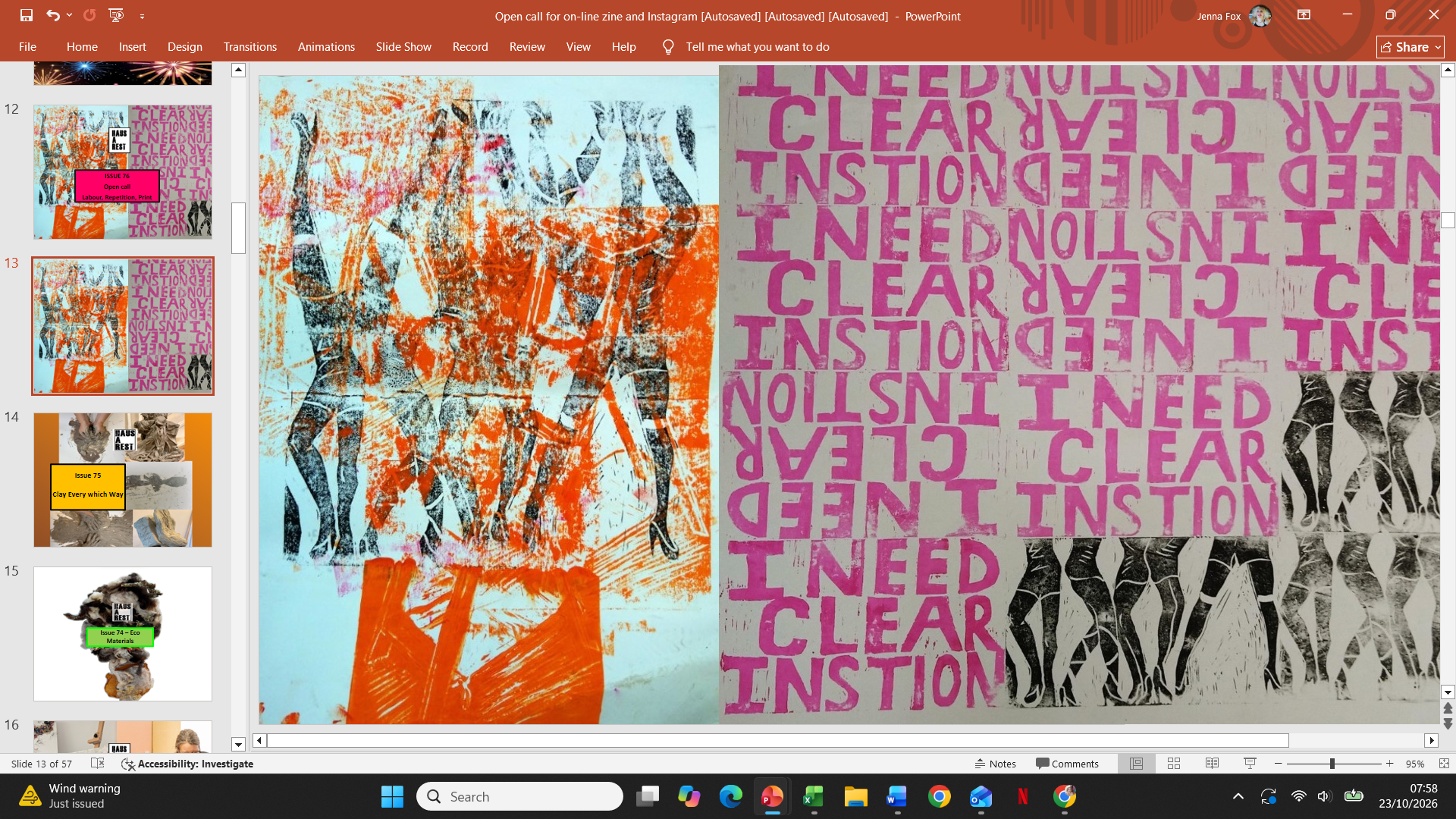
Print is understood here both as a medium and as a concept: a mark left through pressure, contact, repetition or reproduction. From the repetitive gestures of the factory floor to the rhythms of domestic work; from mechanical reproduction to digital copying; from routine and ritual to exhaustion and resistance — repetition is embedded within both labour and how images, objects and ideas are produced and circulated.
A print can be an impression, a trace, a copy, a record, a pattern, a surface, or evidence of an action.
In an increasingly automated and digitally reproduced world, what does it mean to make something by hand?
What happens when labour becomes repetitive in the printing process?
And how might repetition become a strategy for resistance, survival, memory or transformation?
Welcome to this months exhibition!
Artist: Mandy Eugeniou
www.mandyeugeniou.com
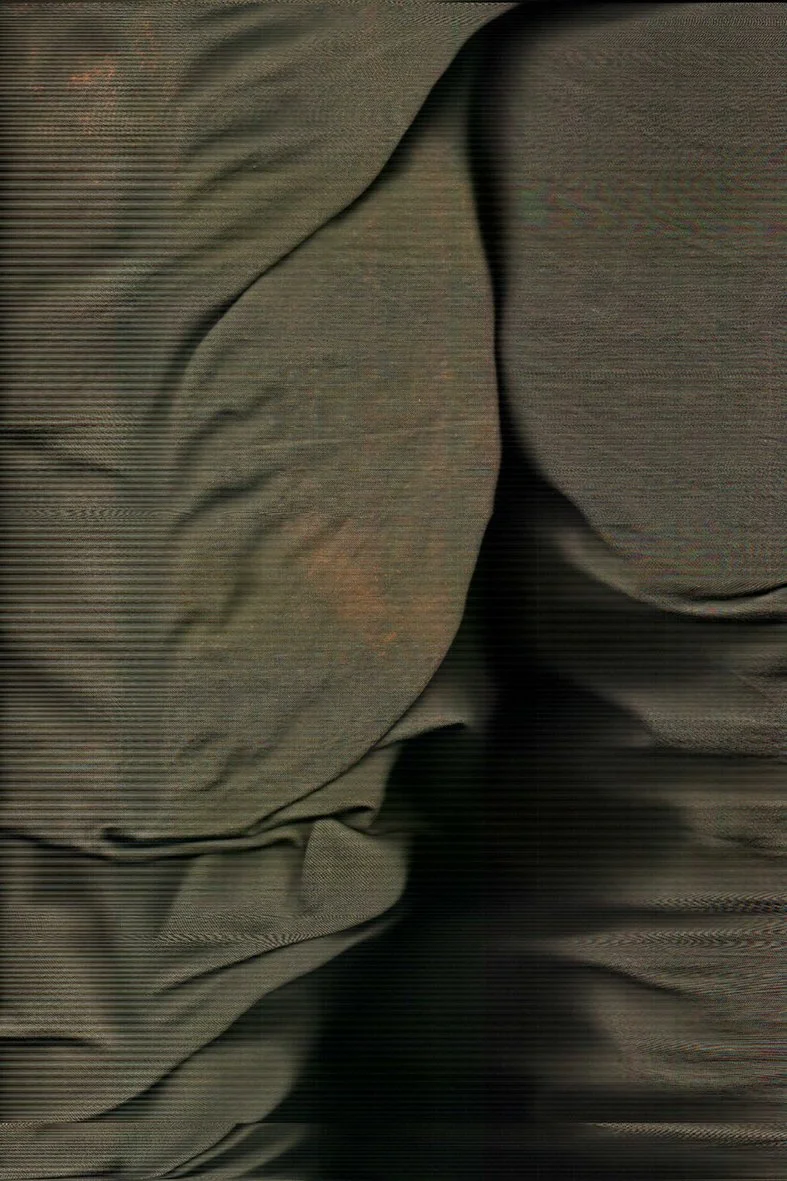
Description: STOKE: Moonie number 1 is part of a series of artworks under the title “Touch Methodologies” that explores sickness and visibility. Scanning my body daily for symptoms is a daily ritual, and doing so with a portable scanner becomes an act of defiance when domesticity is a system of confinement. What gets registered in the repetitive back and forth motion of hand and scanner, is an attempt to know texture and touch of interiority from exteriority. Scanning might bring the object closer to the eye than the camera; it is a haptic process which entails the sense of physical touch as well as vision, and horizontal orientation. This is a process I use as part of my work about pain to explore the dissonance of interior experience and exterior reality, usually at the borderline of sleepiness.
Artist: Bob Holmes
https://bohoart.net
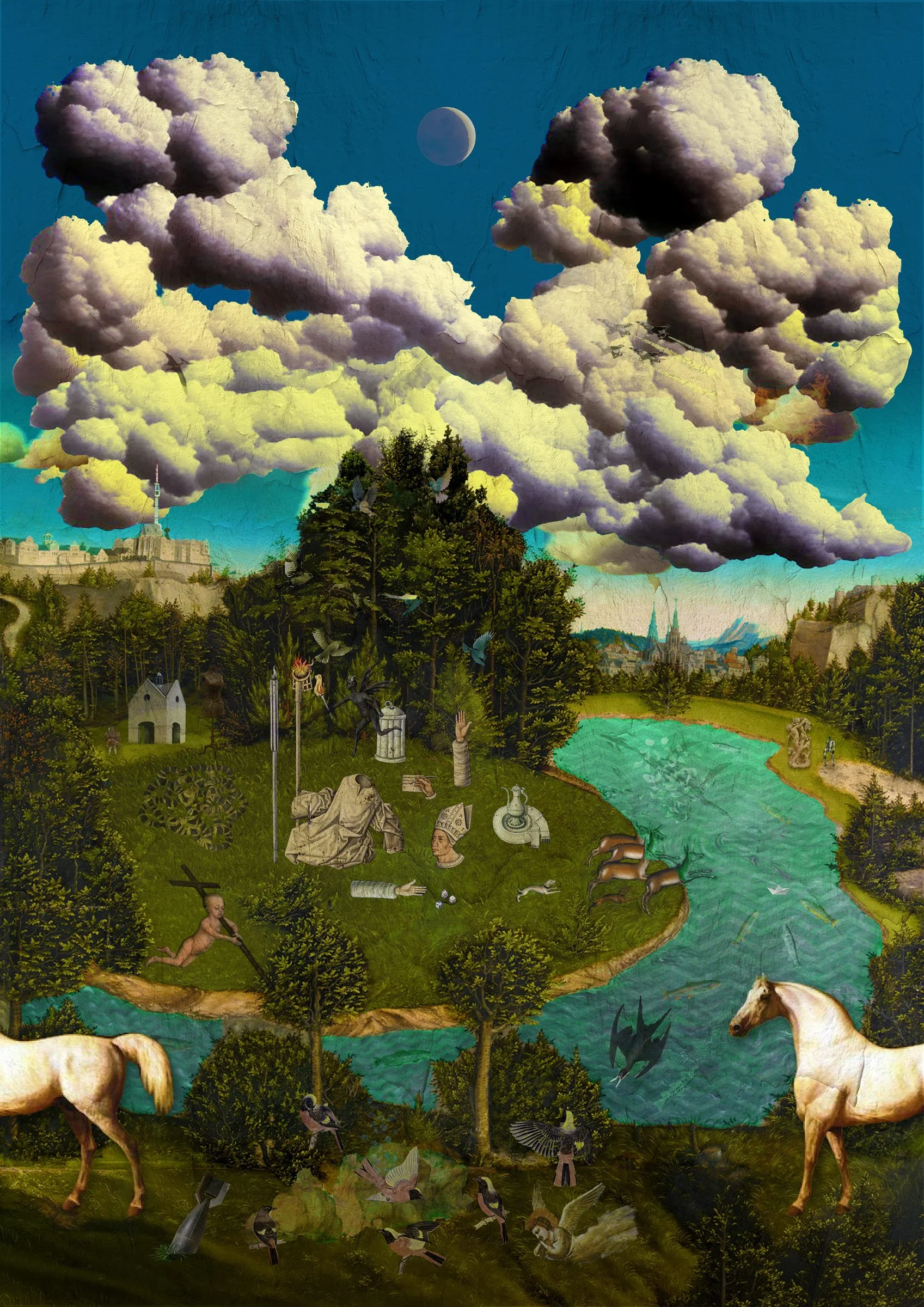
Description: ”Fragmented Landscape” explores the relationship between nature, cultural memory and the repeated reproduction of images. Drawing upon historical paintings and visual fragments, the work reconstructs an imagined landscape in which familiar elements are displaced, duplicated and transformed, disrupting conventional ideas of harmony and permanence. The painstaking process of digitally collecting, isolating and assembling individual fragments becomes a form of repetitive artistic labour. Each element is carefully manipulated and layered to create a new visual narrative from the remnants of existing imagery. Reproduced through offset lithography, the work connects the labour-intensive process of digital construction with mechanical reproduction, questioning the boundaries between originality, imitation and transformation. Through this continuous cycle of fragmentation and reconstruction, Fragmented Landscape considers how images, meanings and our perceptions of the natural world are repeatedly inherited, reworked and reinvented.
Artist: Toni Beer
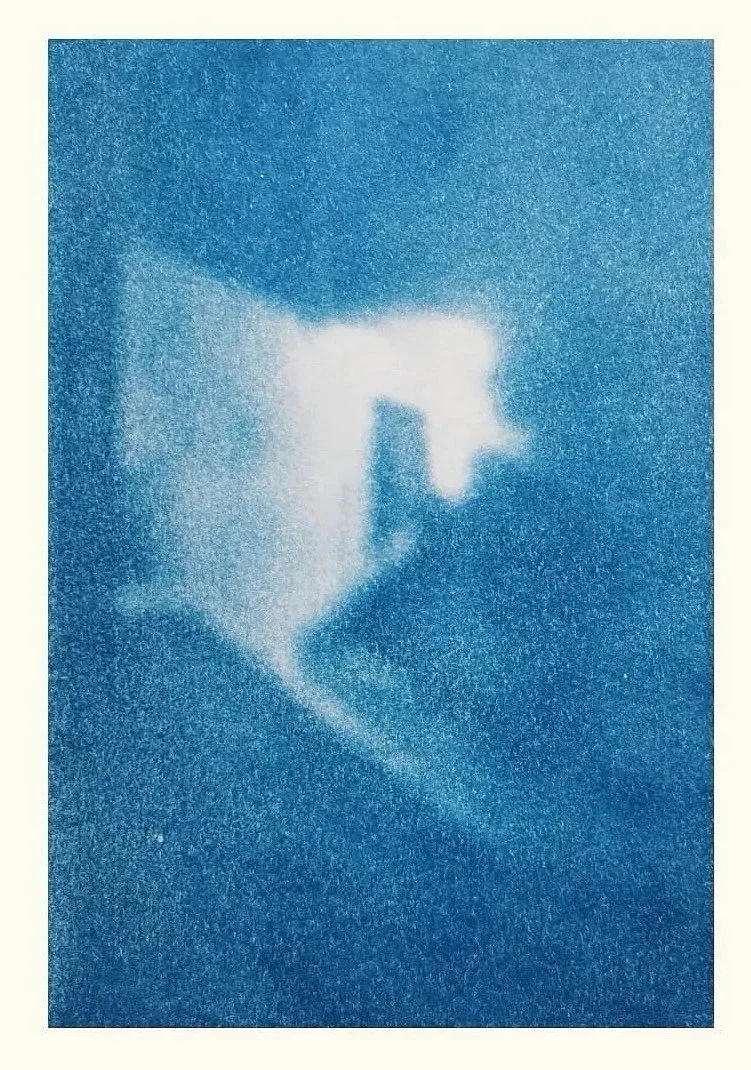
My work explores the process of cyanotype printing as an individual and unpredictable practice. Each blueprint is created separately, shaped by the specific interaction of light, material, and time. Rather than relying on repetition or producing identical images, I approach each print as a unique work. The physical process of cyanotype becomes an integral part of the artistic expression, allowing each image to emerge through its own particular conditions.
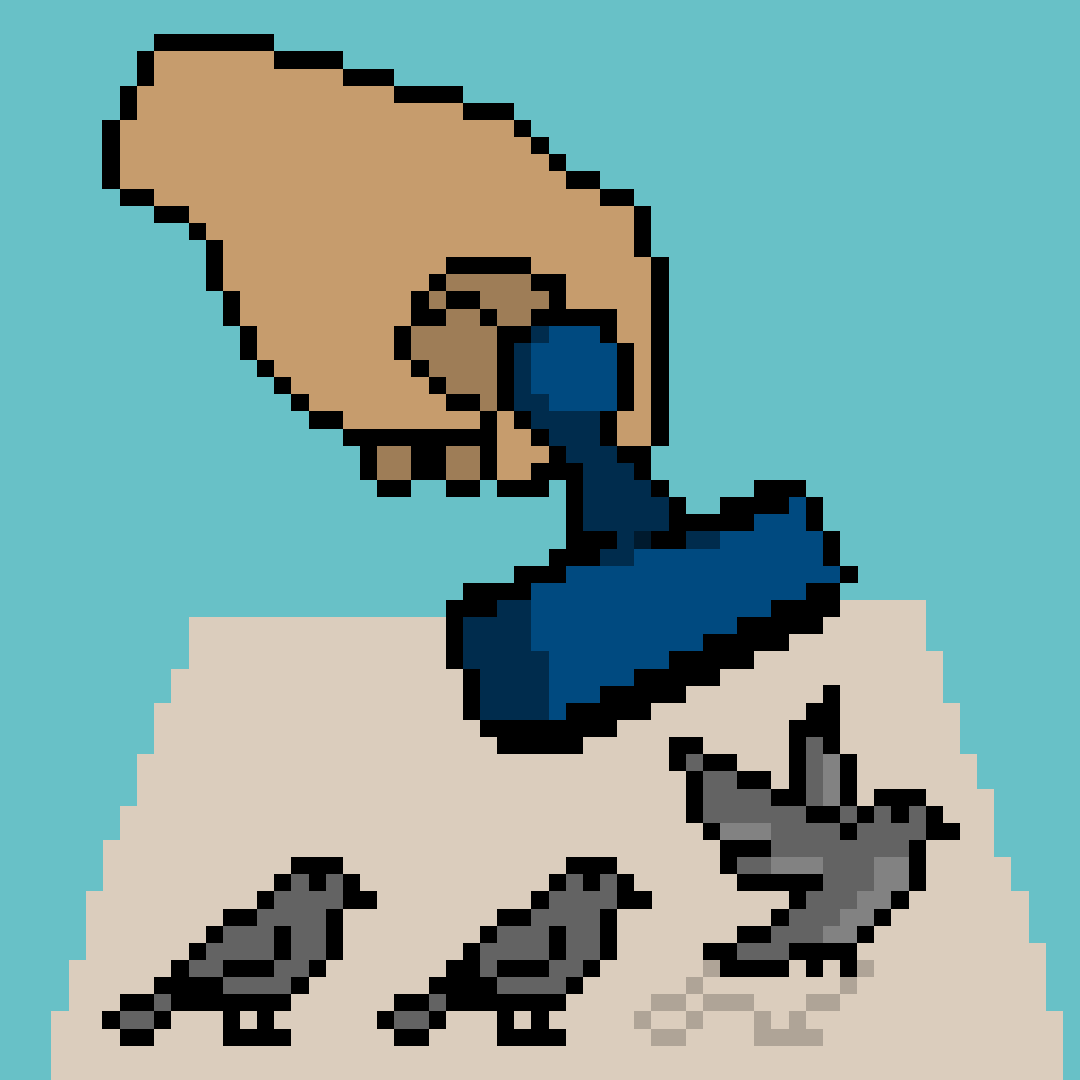
Artist: Benyamin Hosseinpour
Description: Beyond Repetition explores the moment when an act of reproduction produces something that refuses to remain a copy. In this pixel artwork, a hand holds a stamp above a sheet of paper. Two birds appear as repeated impressions, while a third opens its wings and rises away from the surface, leaving a faint trace beneath it. The stamp suggests a process designed to produce consistent results; the departing bird interrupts that expectation. The work approaches printing as both a physical gesture and a system of repetition. The hand represents the labour behind each impression, while the repeated birds suggest the rhythm of making the same mark again and again. Rather than treating repetition only as confinement, the image imagines it as a condition from which difference and resistance can emerge. Pixel art extends this relationship between repetition and variation: a shared vocabulary of small square units produces both the repeated figures and the figure that breaks their pattern. The digital image depicts a manual printing process, bringing two forms of image production into dialogue. Beyond Repetition asks whether the act of making copies can also create the possibility of departure—whether something produced within a repeated process can develop a direction of its own.
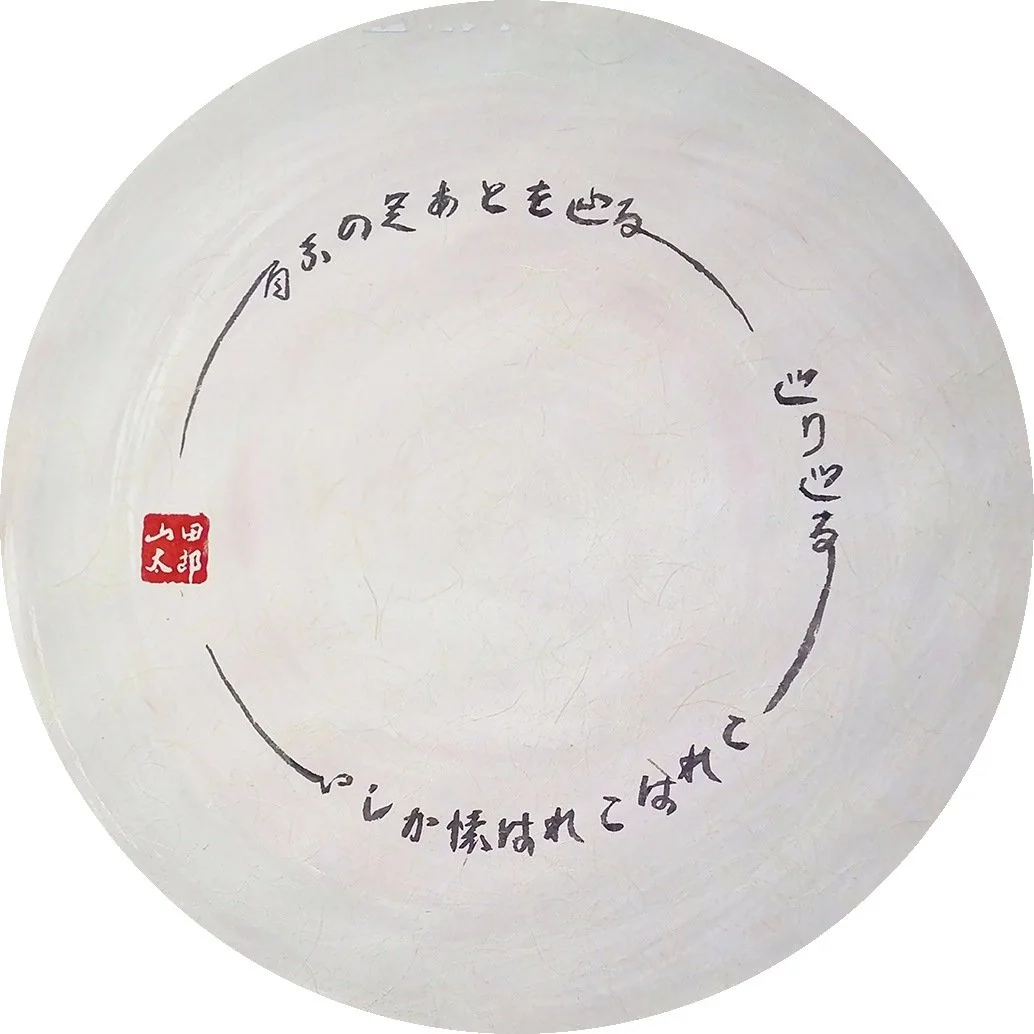
Artist: Taro Yamada
@gonzalochirinosart | Website: https://gonz.art
Enso (2024, sumi-e ink on kinwashi paper, ø24 in / 61 cm)
Description: Taro Yamada's work is brushed once and stamped once. Enso is a round sheet of kinwashi paper carrying a poem in kuzushiji, a cursive Japanese few people can read today, written by hand in sumi-e ink along an open circle. When the brush is done, the piece is closed with a hand-carved red hanko seal. That seal is where this work meets print. A hanko is a carved relief block: it leaves its mark by pressure and contact, and it leaves the same mark every time. The brushstroke can never be repeated; the stamp cannot help but be. Across the series, the identical red square returns, in a different place beside a different gesture. Here it sits at the edge of the circle, as a final act of belonging to the tradition the work alters. The call asks what it means to make something by hand in an increasingly reproduced world. This piece holds both answers on one surface: the irreplaceable stroke and the reproducible mark. Everything in it is made by hand.
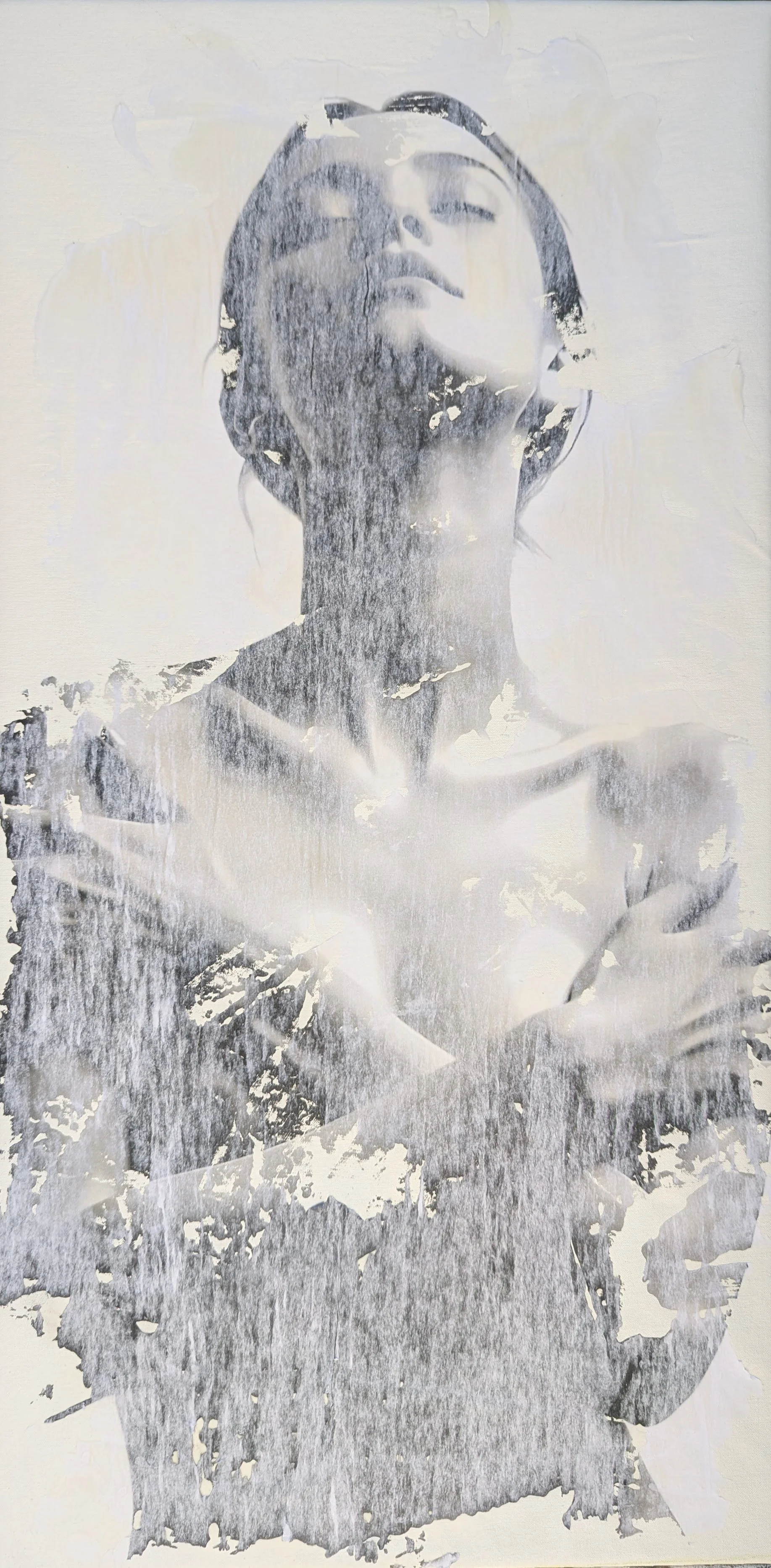
Artist: Raúl Lara
www.raullara.net
Cute Temporis
Description: A closed-eyed figure with crossed arms emerges through a worn monochrome surface. The work begins as a figurative painting that is photographed, printed and transferred by hand with gesso onto a new canvas. Pressure, drying and rubbing cause parts of the image to adhere, lift or remain as a thin paper veil. This repeated process turns reproduction into a physical record of labour, touch and loss: the body appears as a fragile trace rather than a complete representation.
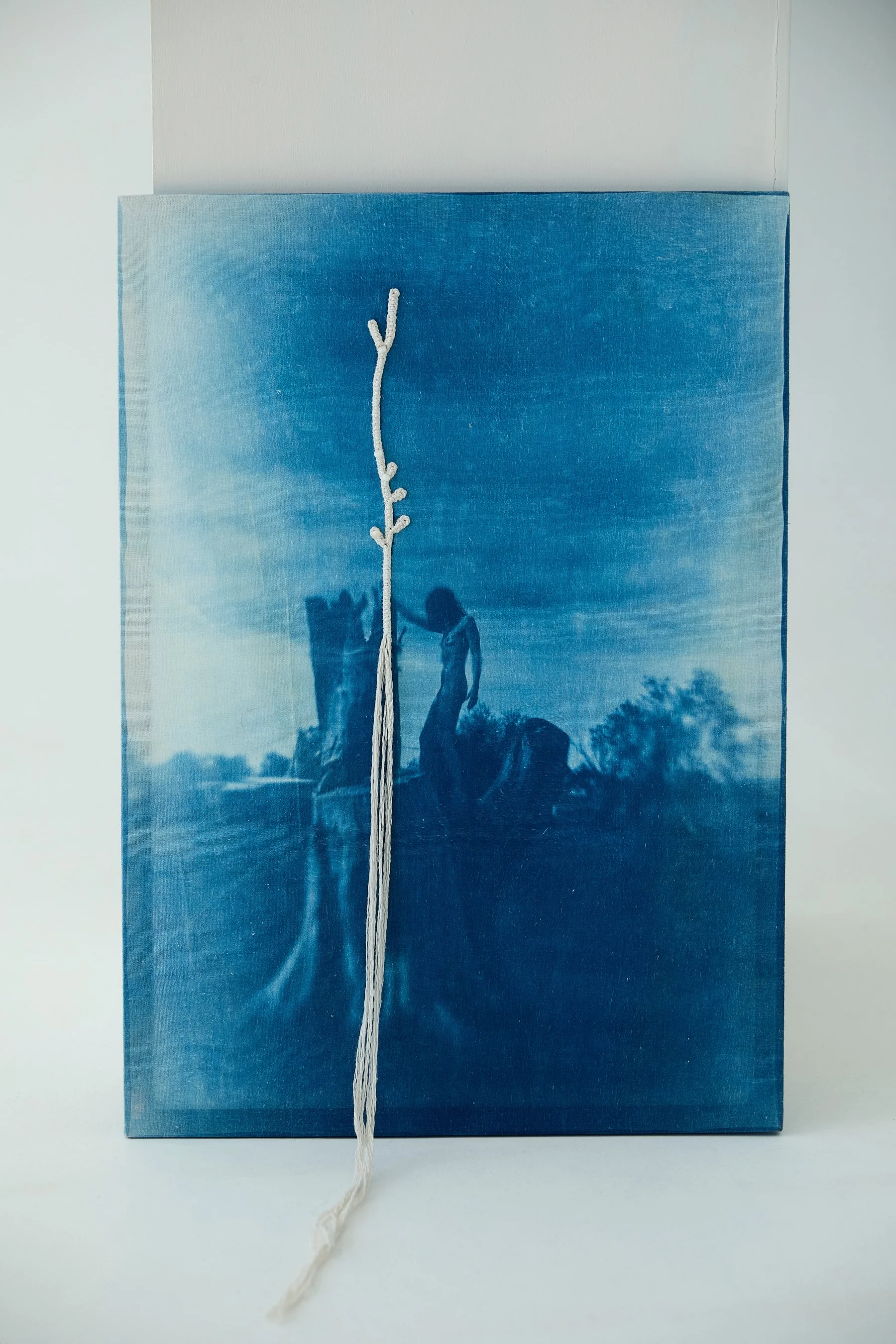
Artist: Tata Dayneko
@daynekotata2014
https://daynekotata.ru/tsianotipiya
A work from the series “Silent Truth”
Description: Cyanotype on fabric, “sazheniye po beli” embroidery (an old Russian technique) In this series, people and nature are one. The person in each work is barely visible, dissolving into nature until it is hard to tell where one ends and the other begins. Nature flows into us, and we flow into it. This unity needs no words: it is not explained but felt, which is why the truth here is silent.
Artist : among scratches
Description: In my printmaking practice, I utilise my own developed technique, where raw, halftone prints and bold textures contrast with elements of official forms and customs declarations. Through this unconventional combination of digital repetition and the chaos of manual smudges, I create a unique narrative about bureaucracy, displacement, and the traces we leave behind.
Artist: Anil Demir
@anildemirvisuals
Website: https://www.anil-demir.art
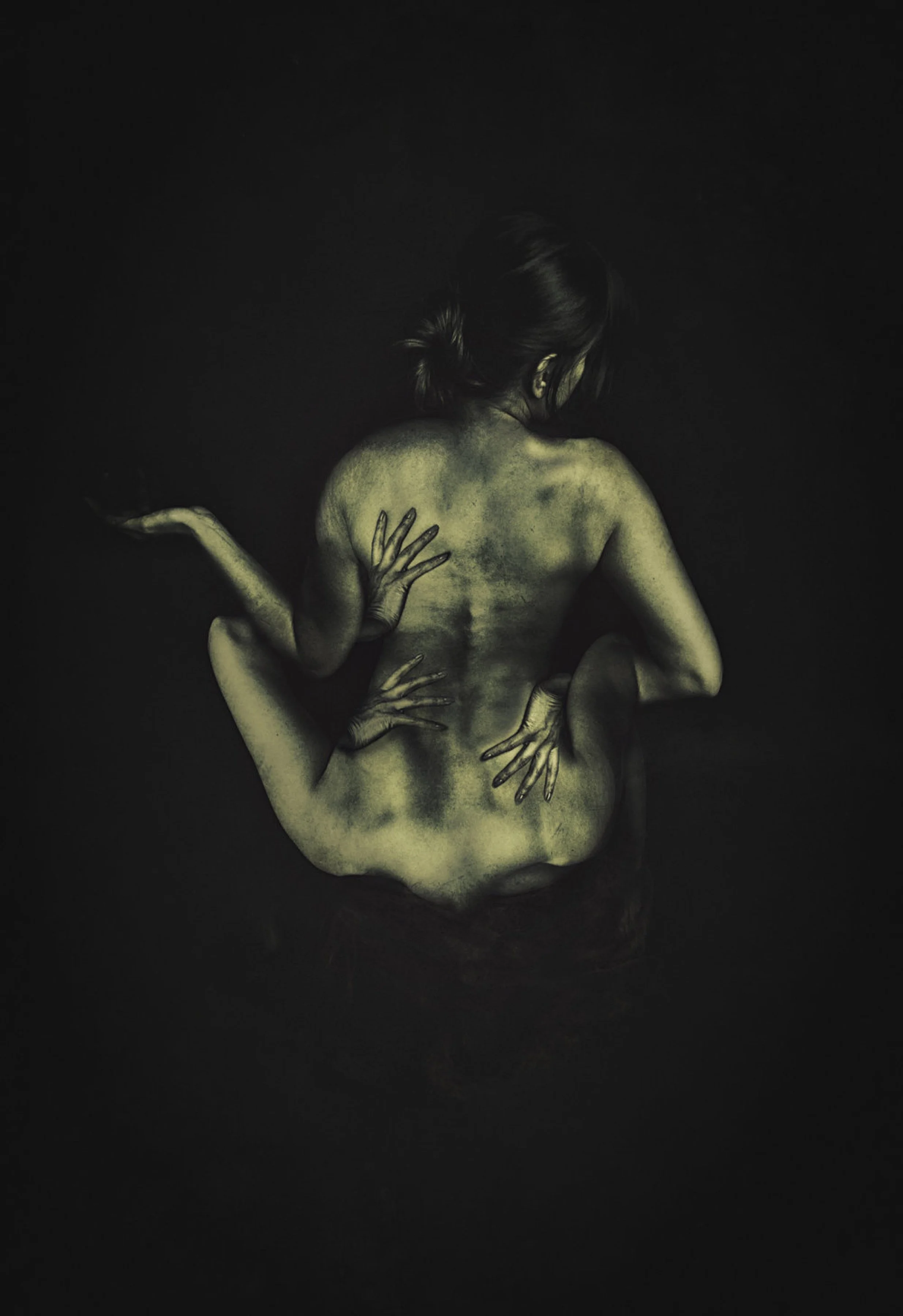
Description: Sacrification II (2018) Staged digital photograph; proposed archival pigment print 70 × 48 cm. Artist location: Tbilisi, Georgia No AI was used. Sacrification II turns the body into a surface of repeated impressions. Hands recur across the figure like marks pulled from the same plate: similar but never emotionally identical. One gesture can suggest care, another pressure, another labour that has become so habitual it is almost invisible. The exposed back holds these traces without resolving whether the body is carrying, resisting or transforming them. The work connects repetition to ritual and to the social expectation that feminine bodies absorb care, sacrifice and control. Its mythological reference to Lilith shifts repetition away from obedience: the repeated gesture becomes a record of survival and refusal. As a staged digital photograph proposed as an archival pigment print, the image also moves between bodily trace and mechanical reproduction. Printing repeats what is already repeated inside the frame, while each circulation of the image adds another layer to its record.
Artist: Monika Madrak
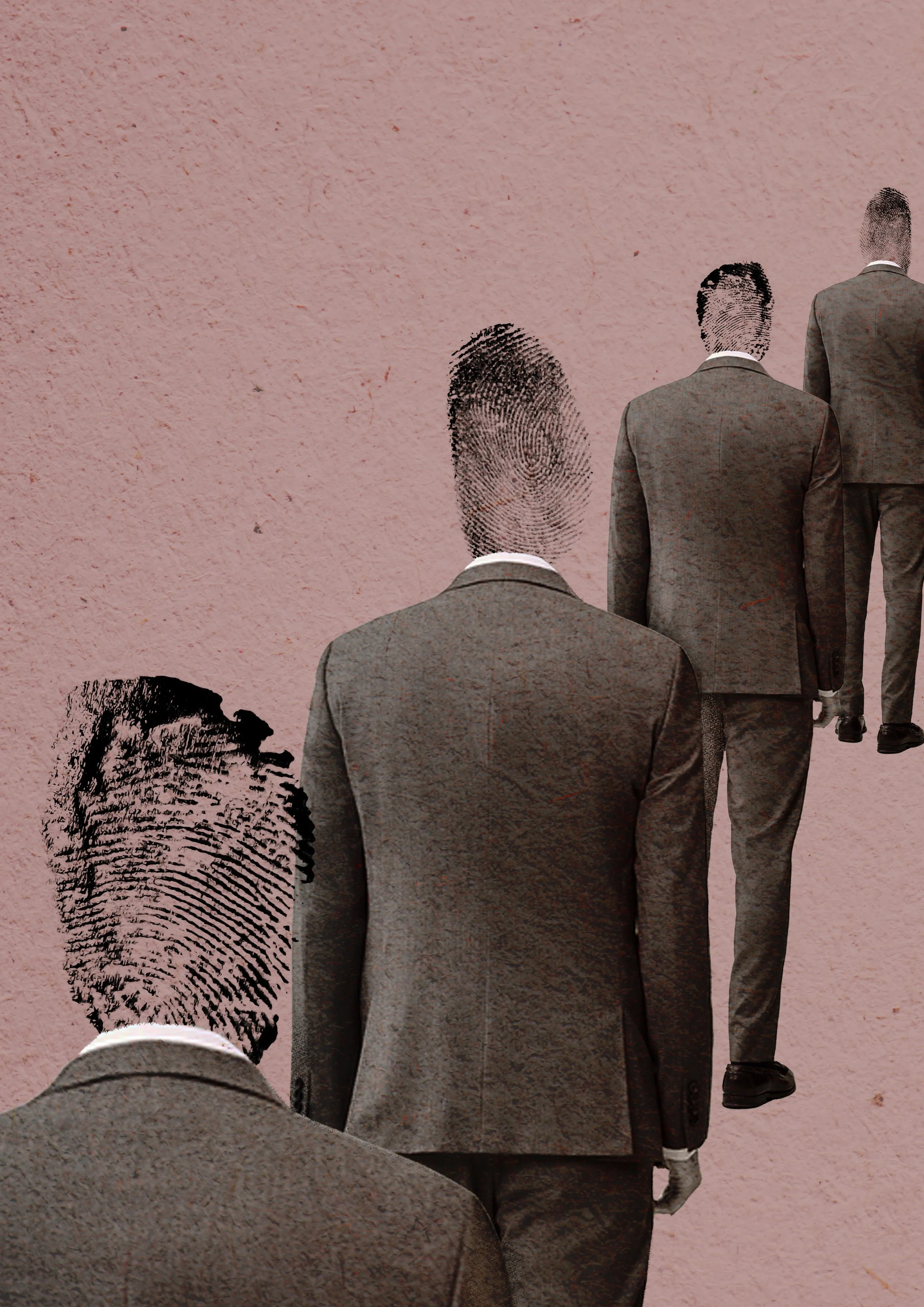
Description: Monika Madrak, Poland, "Copy, paste" - 2026, collage technique The artwork was created using the collage technique, combining cut-out photographs with traditional, hand-printed fingerprints made using watercolour paste. The technique refers to the ideas of mechanics, repetition and efficiency, which are becoming increasingly defining in modern society, including the world of work. In a world shaped by systems, patterns and constant reproduction, individuals can slowly begin to lose their sense of identity. They become part of a larger structure, where repetition is easy to notice, but individuality is harder to see. The artwork explores the ideas of originality, copying and reproduction – topics that are especially relevant in today's culture, where the boundaries between creating and reproducing are becoming less clear. Although we may seem similar on the surface, following the same systems and patterns, each of us remains a unique individual with our own identity, experiences, interests and passions. A fingerprint, one of the most personal and unique signs of human identity, becomes a symbol of individuality hidden beneath the surface of apparent repetition.
Artist: Nick Gladkiy
@nickg.film
Website: https://nickg.photos
Location: Kyiv, Ukraine
Project 24 (II)
Description
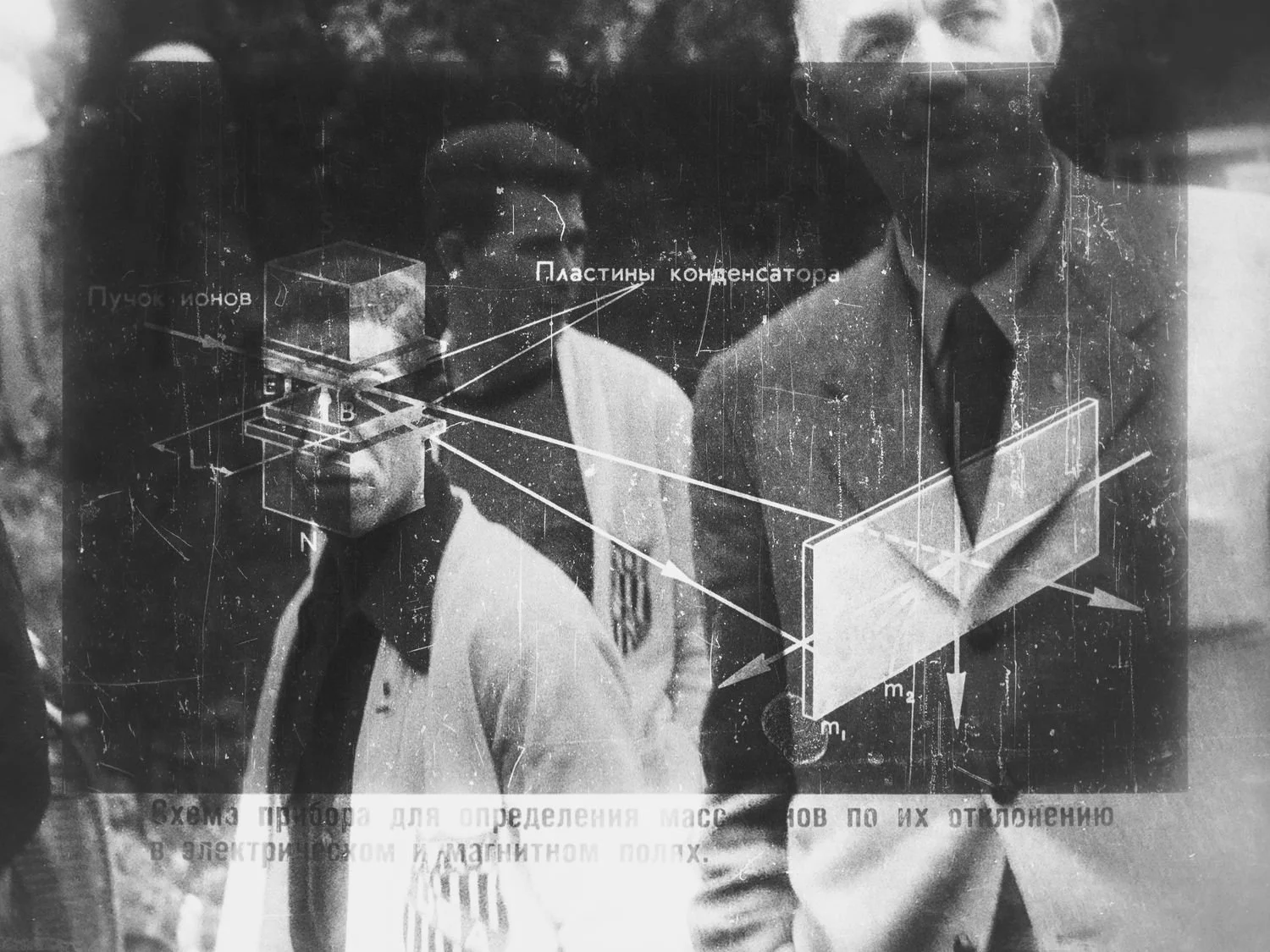
Part of Project 24. I printed two found films together in the darkroom: a Soviet school filmstrip about atomic physics from a destroyed school in Chernihiv, and a film from a 1950s camera. Here the scheme is a device for measuring the mass of ions is printed over a group of young men. 2024, digital composite made from darkroom double exposures of two found films. Size variable.
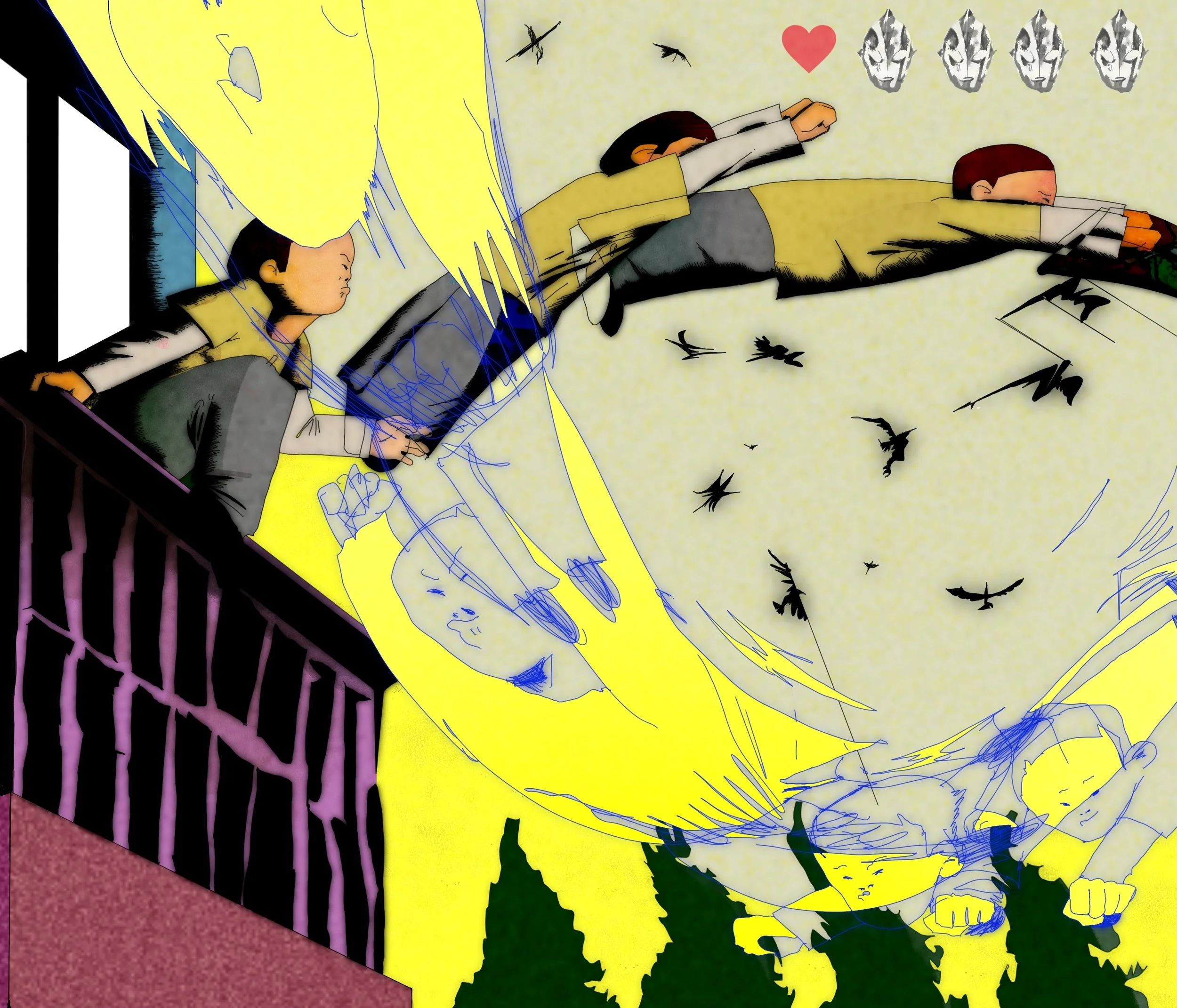
Artist: Xi Zhu
@imxizhu
Website: https://zhux9926.wixsite.com/xizhu
You Can Also Be Ultraman
Description: Part of Chaotic Children, a series about imitation in childhood. The digital drawing is reproduced as a giclée print, making repetition visible both in the subject and in the circulation of the image.
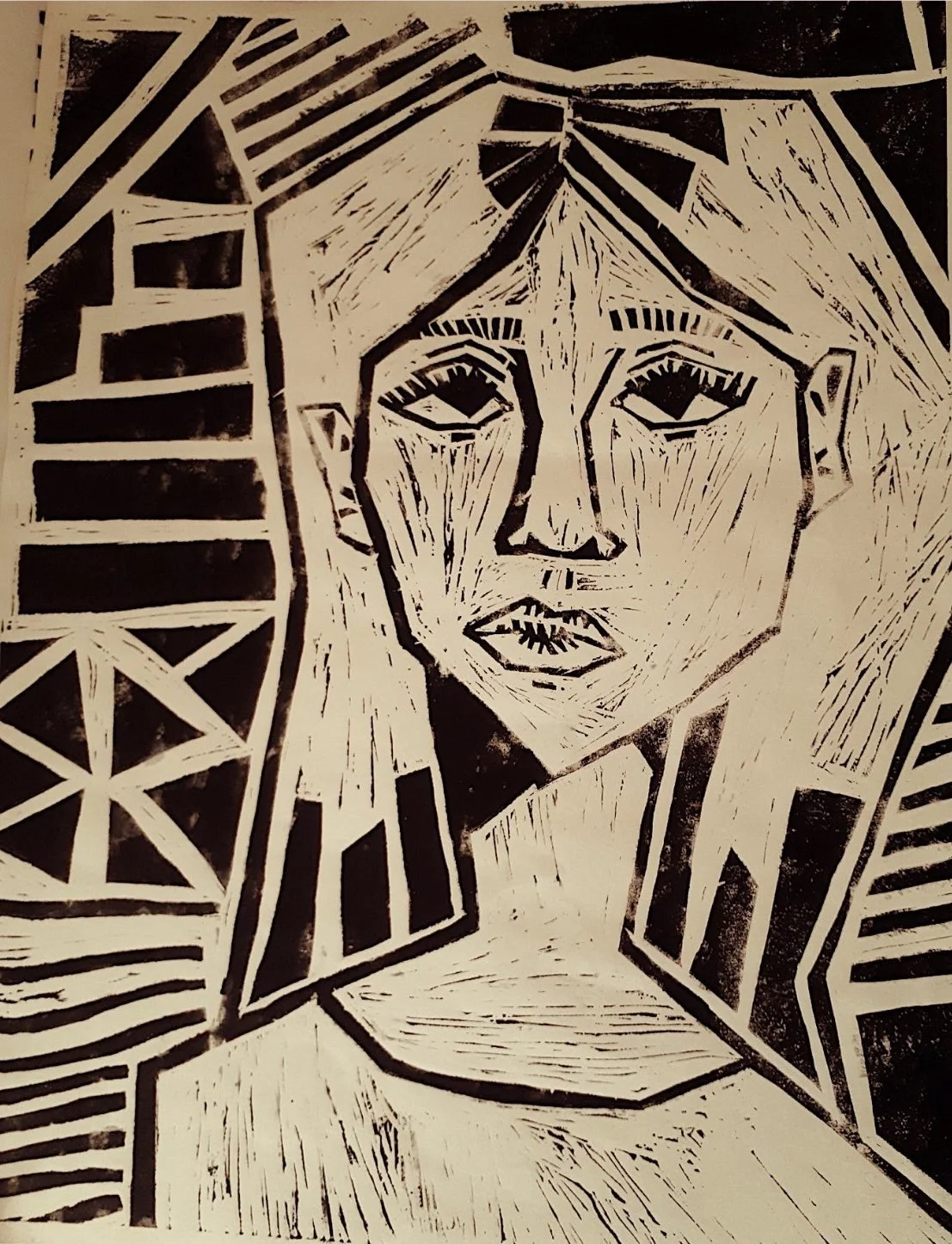
Artist: Angel Couldrey
https://www.angeldazeart.com/
@angeldazeart
https://www.instagram.com/angeldazeart?igsh=dW85aHp2OG9wbHJm&utm_source=qr
Description: A self-portrait (2021) inspired by the German Expressionist movement. Done with Lino print. I focused on stark shapes and lines to give a sense of movement. The eyes are done to look sullen and staring straight at the viewer.
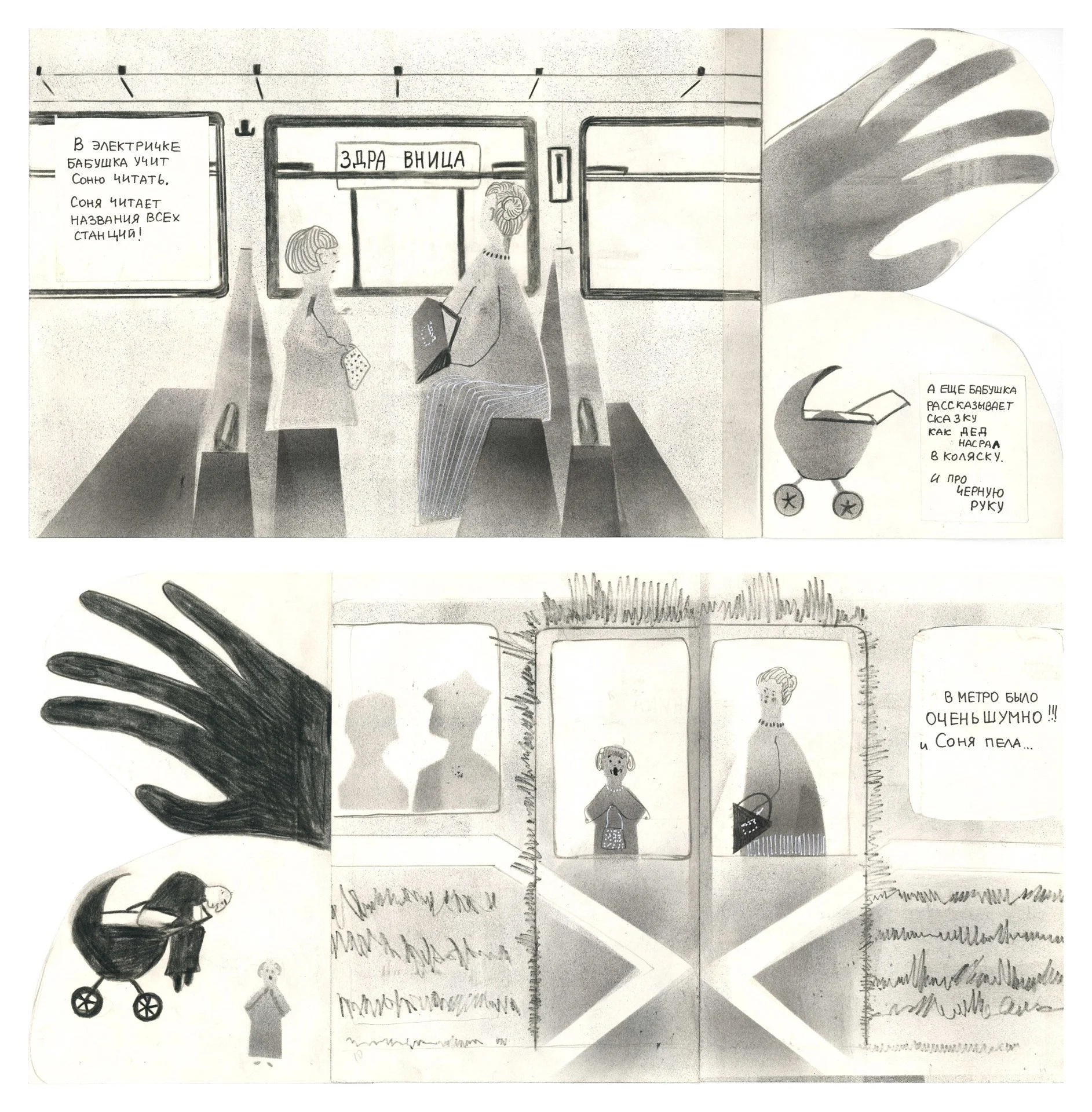
Artist: Sonya Enokaeva, Moscow, Russia
sonyae.art
Grandma and Sonya (Babushka i Sonya) – full zine, sheet B, pp. 8–11 (fold-outs)
Description: Grandma and Sonya (Babushka i Sonya), 2026. Sheet B shows pp. 8–11, the fold-out spreads (approx. 42 × 21 cm). 2026. Zine. Original: stamp ink applied with a roller through hand-cut stencils, and pencil, on paper; scanned and digitally printed, edition of 5. A5 zine (14.8 × 21 cm), 16 pages, with fold-out spreads approx. 42 × 21 cm.
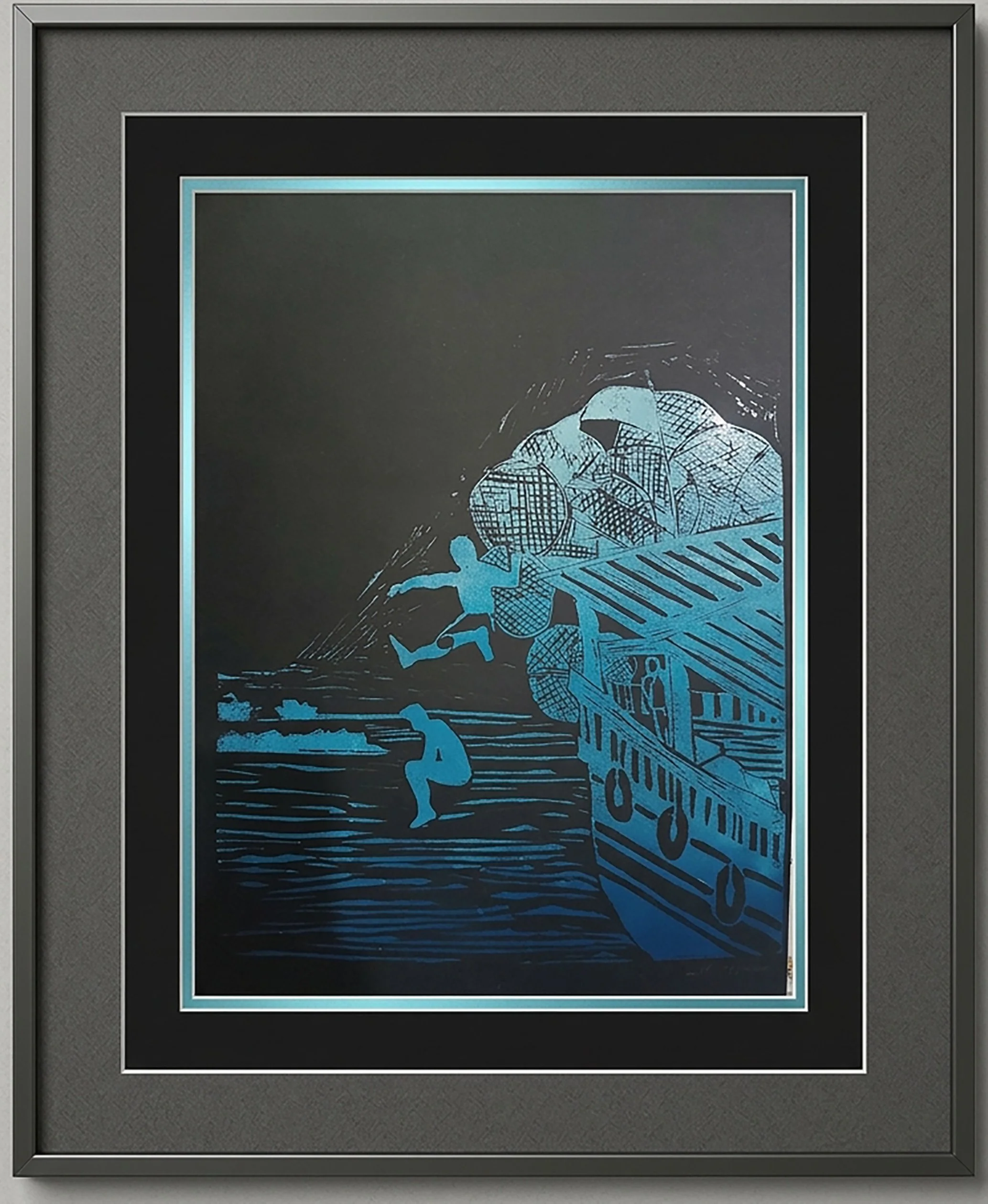
Artist: Salime Cheraghi
Description: Executed with cyan and blue ink on dark paper, this iteration highlights the night aspect of maritime work in southern Iran. The tangled nets and boat structure represent the relentless, invisible night labour of the local fishermen. By contrasting the rigid, carved lines of the vessel with the fluid motion of the diving figures, the print highlights how moments of quiet resistance and physical recovery are carved out even under the weight of continuous routine.
Artist: Shuntao Li
https://www.kaopustudio.co.uk/
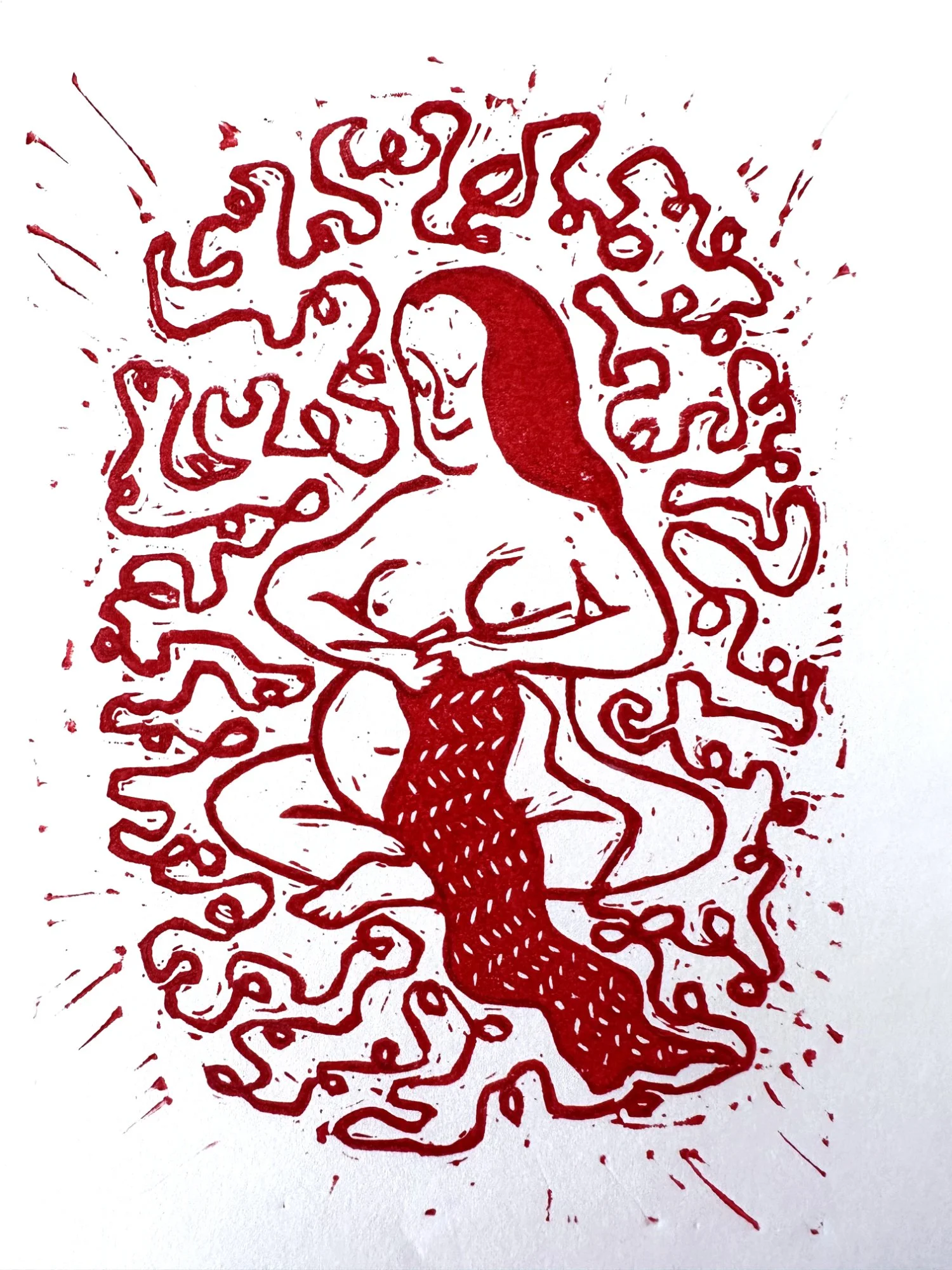
Description: “Knitting“. This linocut print captures the soothing ritual of knitting during my pregnancy, a time when I found comfort in the repetitive movements of my hands. It shows how I knit my chaotic thoughts into a big, neat blanket, transforming feelings of uncertainty and overwhelm into something soft and comforting. Making the linocut became an extension of this ritual. Like knitting, carving into linoleum is repetitive and meditative, offering moments of peace and calm amid the busyness of motherhood.
Artist: Alessandro Filograna
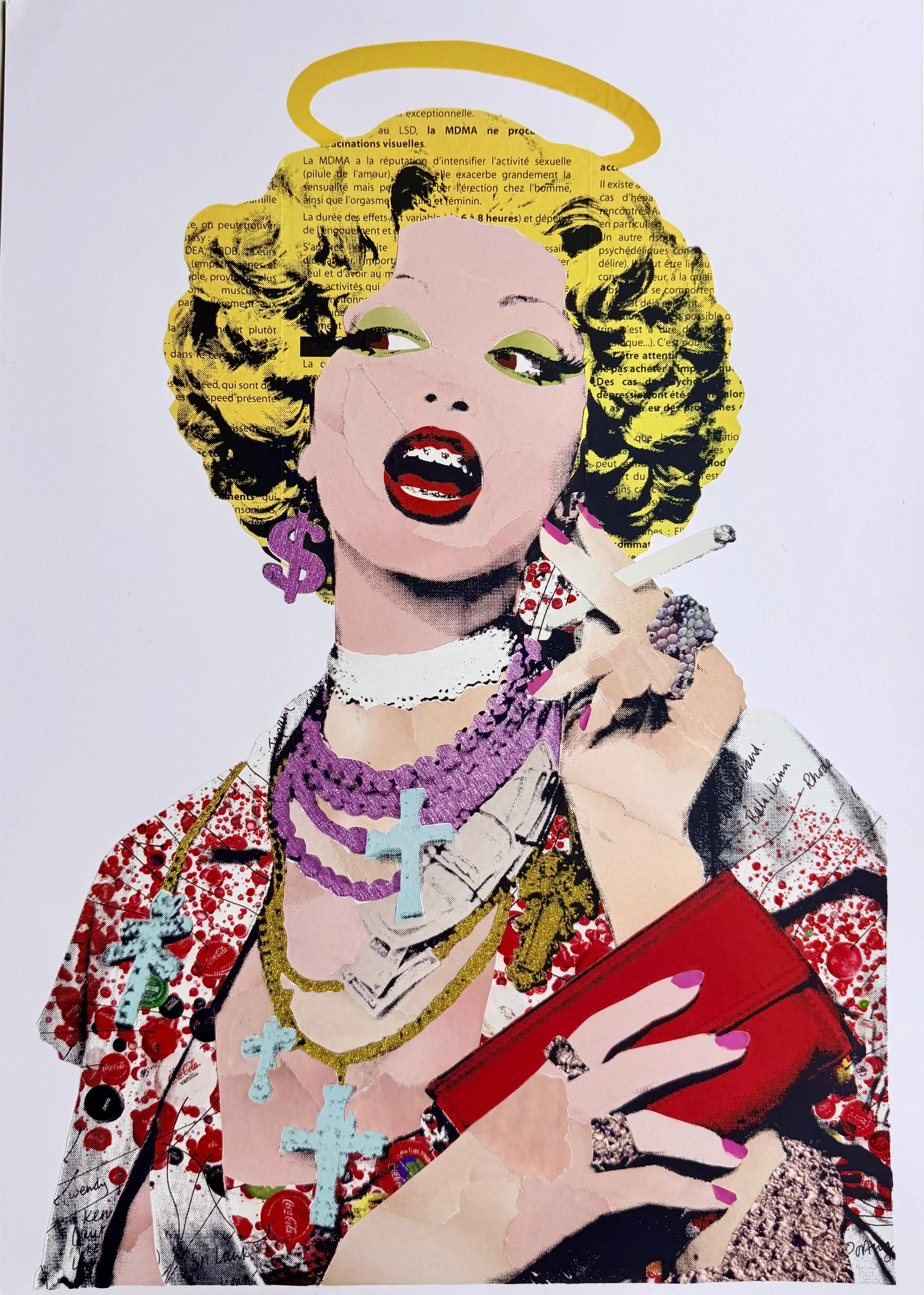
Description: “Mary Link”. 2025 | 42 × 30 cm Mixed media: paper collage and screen printing. Mary Link reinterprets the iconic image of Marilyn Monroe through a combination of paper collage and screen printing. The work begins with carefully selected, cut and torn pieces of paper, whose original colours and textures create the composition. Screen printing is then applied directly onto the collage, bringing together the different fragments into a single image. Religious symbols, references to money and printed text explore the relationship between fame, consumerism and devotion. Each element is transformed through a manual process that gives existing materials a new identity.
Artist: Leonardo Medina Reis
Editors Bogotá
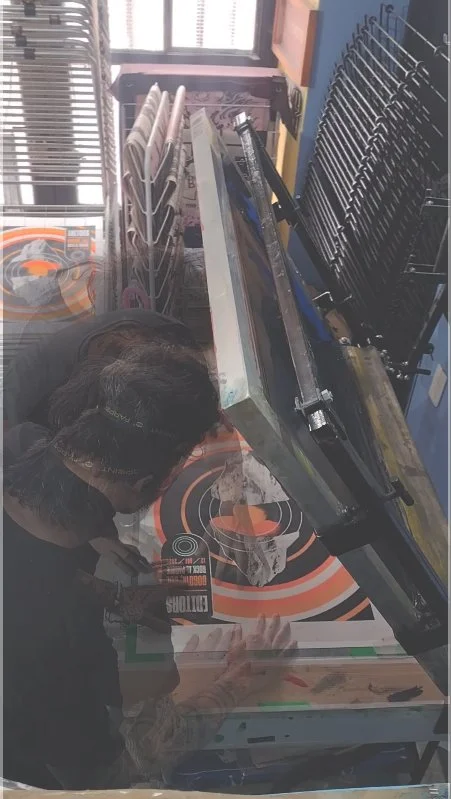
Description: Printing processes for an official poster for the band Editors!
Artist: Esha Malik
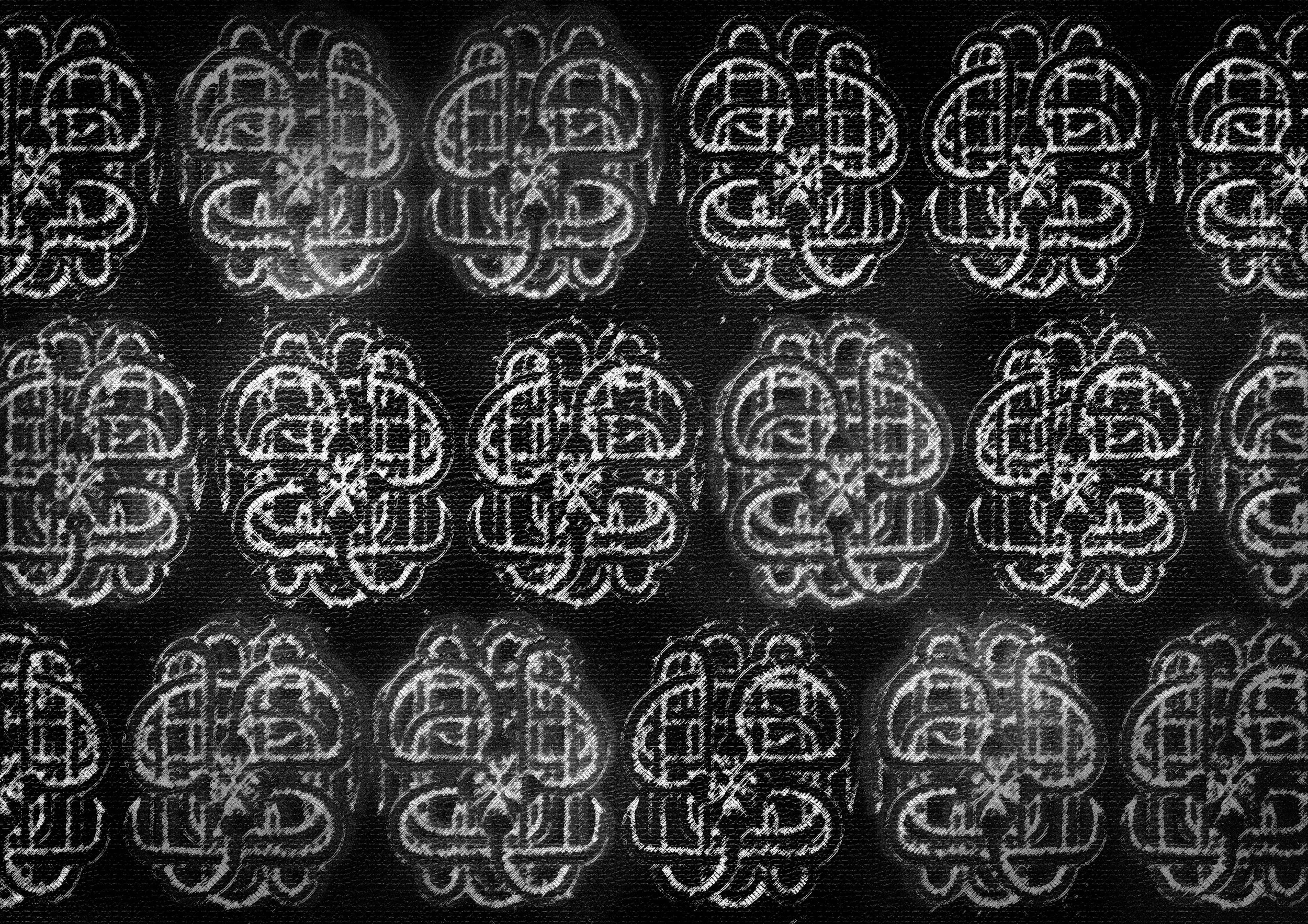
Description: The print process in 'Taslim' is labour made visible through repetition. Block-printing depends on one hand pressing the same carved block onto fabric again and again. Each impression varies, and that variation is the trace of the hand at work. 'Taslim' restages the process digitally. Hand-drawn white knots are impressed in three horizontal rows on a black, cloth-like ground. Each is varied by hand in Photoshop so that a single hand suggests many. The block-print texture is achieved entirely digitally: a physical act, with its different hands and perceived labour, recreated imperfectly in a new realm. Repetition is also the argument of the work. The title means submission, and the repeated block is the form it takes. The red of my earlier works in this series reads as the voice and the gaze; 'Taslim' removes it. Thus, there is no speaker and no watcher, only the block that is pressed again.
Artist: Sumio Kobayashi
@sumio_kobayashi
Website: https://www.sumiokobayashi.com/
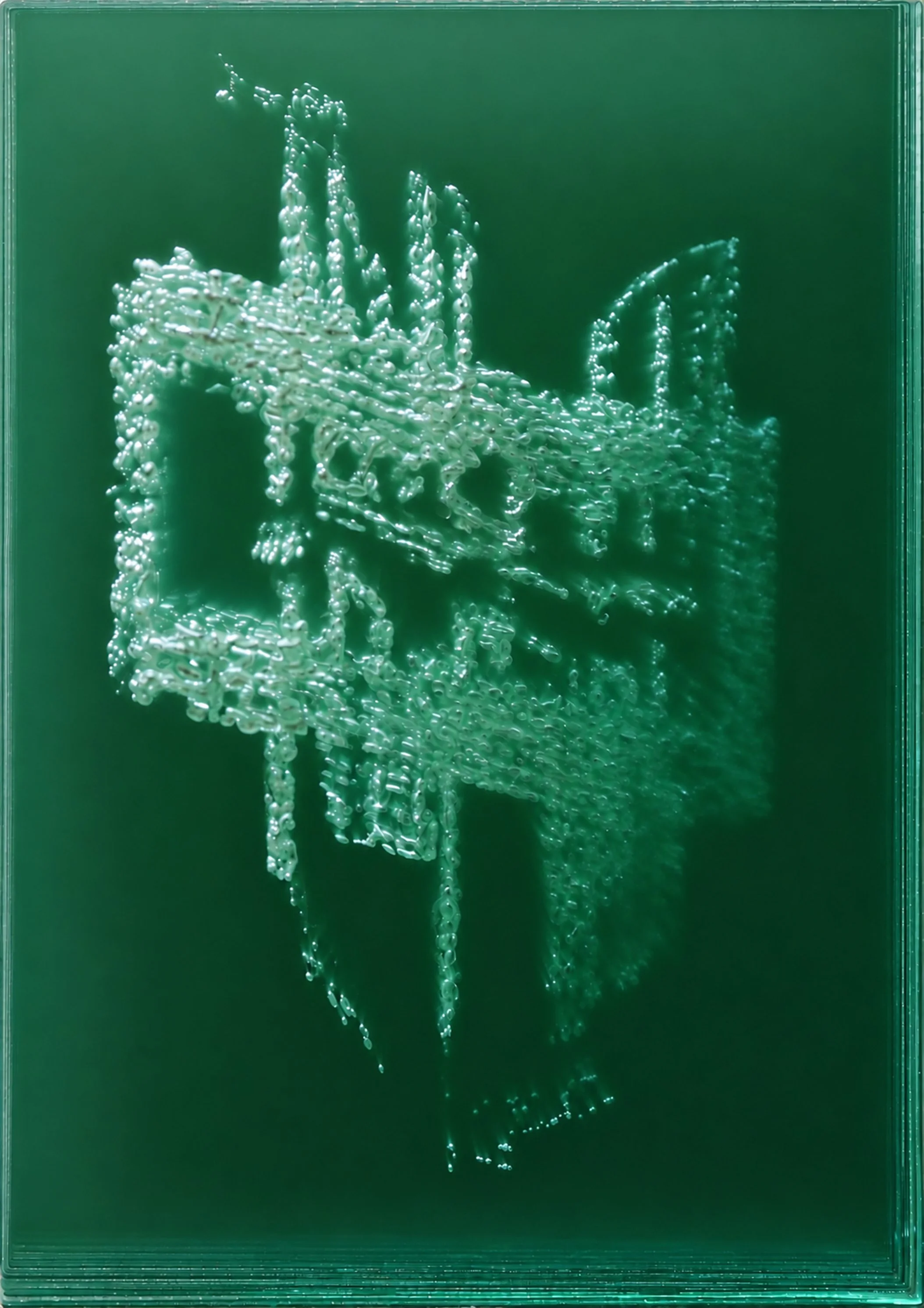
Description: Écumaria (2026) Tokyo, Japan. Layered glass, ink, display, moving image, sound, iPad camera and custom Java software. Each musical measure consists of 25 A4 glass sheets, each 5 mm thick, with bubble forms rendered in approximately 1 mm thick ink. Each unit measures 29.7 × 21 × 15 cm (height × width × nominal depth), excluding its plinth, and weighs 25 kg. Écumaria approaches the theme through the musical score, a form sustained by reproduction, repeated rehearsal and skilled performance. Its notation becomes fragile, bubble-like traces suspended across repeated glass sheets. Layering gives a material presence to a score that appears to be dissolving. Drawing on my experience as a composer, I consider how digitalisation transforms the labour of musicians. In the full installation, an iPad camera detects fish movements and a Java program assigns sounds and images to graduated movement states. Sound and image continue without a human performer. This absence evokes cultural memory and mono no aware, a poignant awareness of impermanence. I submit photographic documentation of the glass component, relating its repeated layers and ink marks to the call's broad understanding of reproduction and material traces. The work asks what remains visible of artistic labour as its familiar forms change. AI was used only to check the software for bugs, not to generate the artwork.